Okra Gardening in India: How to Grow, Care for, and Harvest This Tropical Veggie
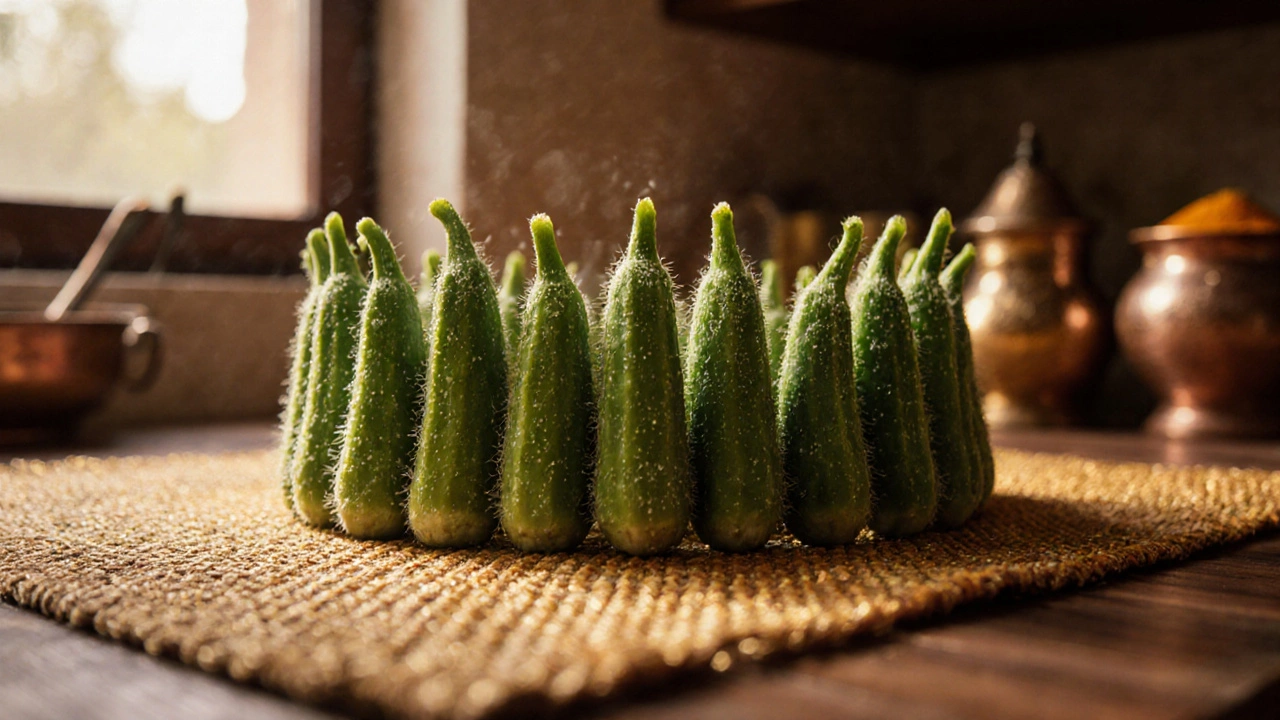
When you think of okra, a warm-season vegetable known for its slender pods and thick texture. Also known as lady’s finger, it’s one of the most reliable crops for Indian home gardens, thriving in heat and requiring little beyond good soil and steady sun. Unlike delicate orchids or finicky bonsai, okra doesn’t need perfect conditions—it just needs space, warmth, and a little patience. It’s the kind of plant that rewards effort without demanding perfection, making it ideal for beginners and busy gardeners alike.
Okra grows best when temperatures stay above 20°C, which means it’s perfectly suited for most parts of India, from the southern coasts to the central plains. It’s not just tough—it’s productive. A single plant can yield dozens of pods over several months if you pick them regularly. That’s why so many urban gardeners grow okra in pots on balconies, and farmers in rural areas plant it between monsoon cycles. The soil, the foundation for healthy okra growth needs to be loose and well-draining; compacted or waterlogged soil will stunt growth or cause root rot. If your soil is heavy, mix in compost or coco peat before planting. You don’t need fancy fertilizers—okra does fine with a basic organic mix or even leftover kitchen compost.
Watering is simple: keep the soil moist but not soggy. Overwatering kills more okra plants than drought does. Once the seedlings are established, water deeply once or twice a week, depending on the weather. Mulching helps lock in moisture and keeps weeds down. The biggest problem you’ll face isn’t water—it’s pests. aphids, tiny insects that cluster on new growth and jassids, sap-sucking bugs that cause leaf curling are common. The good news? Neem oil works wonders here. It’s safe, cheap, and stops these pests without harming bees or beneficial insects. Spray it early in the morning or late in the evening for best results.
Okra doesn’t need much space, but it does need sunlight. At least six hours of direct sun a day, preferably more. If you’re growing it on a balcony, place pots where they catch the morning sun. Harvest pods when they’re 2 to 4 inches long—bigger ones get tough and fibrous. Pick every other day to keep the plant producing. Don’t let pods mature on the plant; it signals the plant to stop flowering. Keep harvesting, and you’ll have fresh okra for curries, stir-fries, or pickles for months.
What you’ll find in the posts below isn’t just theory—it’s real, tested advice from people who’ve grown okra in India’s varied climates. You’ll learn how to fix poor soil, how to time planting with the monsoon, and why some gardeners swear by companion plants like marigolds. You’ll also see what not to do—like overwatering or waiting too long to harvest. Whether you’re growing okra in a tiny balcony pot or a backyard plot, these guides give you the exact steps to make it work.
Discover why okra, known as bhindi, is hailed as India's queen of vegetables-its fast growth, heat tolerance, nutrition, and iconic dishes explained.
Continue reading...