Overwatered Bonsai: How to Save Your Tree and Prevent Future Mistakes
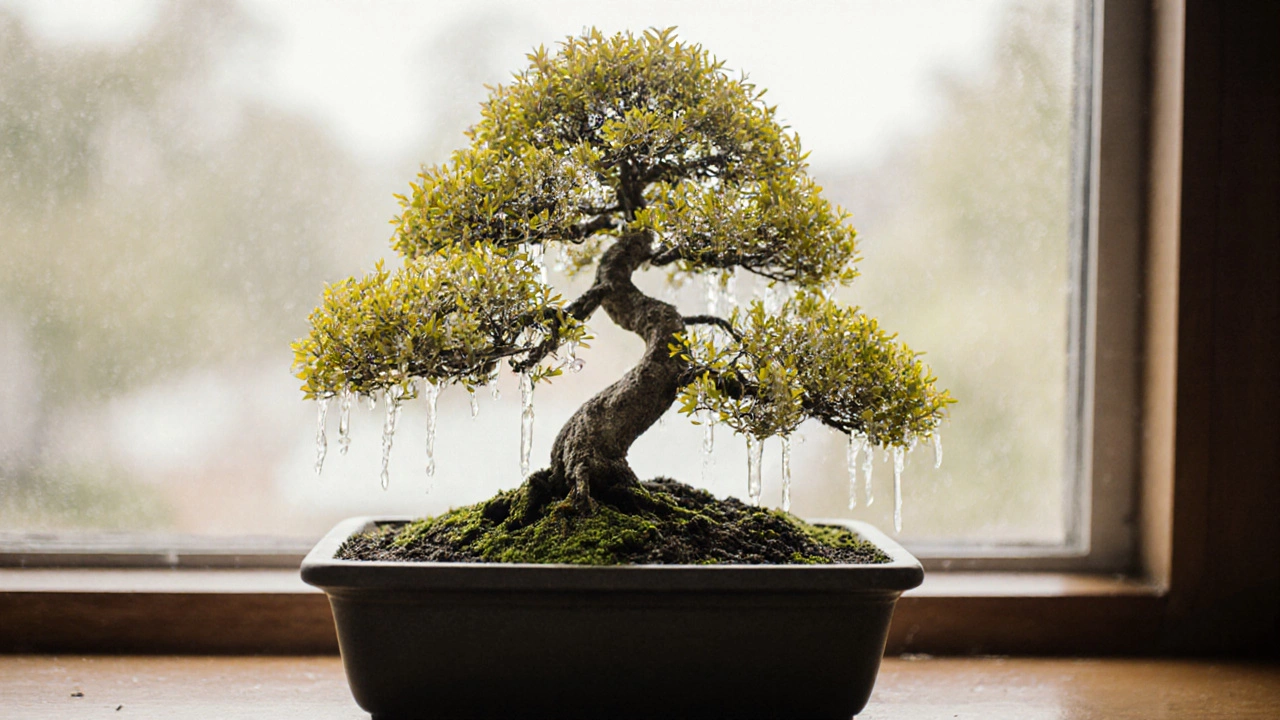
When your overwatered bonsai, a miniature tree grown in a shallow pot that’s highly sensitive to moisture levels starts dropping leaves, turning yellow, or smells musty, it’s not just being picky—it’s dying from too much water. Most people think bonsai need constant moisture because they’re small, but that’s the exact opposite of the truth. Bonsai soil, a fast-draining mix of akadama, pumice, and lava rock designed to dry out quickly exists for one reason: to stop roots from sitting in wet dirt. When you ignore that and water every few days like a houseplant, you’re setting up root rot, a deadly fungal condition where roots decay from excess moisture and can’t absorb nutrients before you even realize something’s wrong.
The problem isn’t just how often you water—it’s how you check if you need to. Many gardeners press their finger into the soil and assume it’s dry if the top looks cracked. But in a tiny pot, the surface dries fast while the roots below stay soggy. The real test? Stick a chopstick or skewer all the way to the bottom. Pull it out. If it comes out damp or muddy, don’t water. Wait. Let the soil dry completely between sessions. This isn’t about a schedule—it’s about reading your tree’s needs. Bonsai in winter need almost no water. Bonsai in summer might need watering every 3–5 days, but only if the soil is bone dry. And if your tree is in a plastic pot? That’s worse. Plastic traps moisture. Ceramic or clay pots breathe. Switching to the right container can be the first step to saving your tree.
Once you catch an overwatered bonsai early, you can still fix it. Gently remove it from the pot. Shake off the old soil. Look for black, mushy roots—they’re dead. Snip them off with clean scissors. Repot in fresh bonsai soil. Don’t fertilize. Don’t move it to full sun. Just give it shade, a little air, and time. It might lose more leaves. That’s okay. It’s not giving up—it’s conserving energy. Most bonsai bounce back in 4–6 weeks if you stop drowning them. The key isn’t more water. It’s less. And patience. You’ll find a dozen posts below that show exactly how to diagnose root rot, choose the right soil mix, adjust watering for seasons, and even how to use a moisture meter without overcomplicating things. No guesswork. No myths. Just what works.
Overwatering is the most common cause of bonsai death. Learn the subtle signs-yellowing leaves, soggy soil, mushy roots-and how to save your tree before it's too late.