Perlite: What It Is, How It Helps Your Garden, and Why Gardeners in India Rely on It
When you’re trying to grow healthy plants in pots or on a crowded balcony, perlite, a lightweight, white volcanic glass expanded by heat. Also known as expanded volcanic rock, it’s one of the most practical soil amendments for Indian gardeners dealing with heavy clay or overwatered containers. Unlike sand, which just makes soil denser, perlite creates tiny air pockets that let roots breathe. It doesn’t break down over time, doesn’t attract pests, and won’t compact — which is why you’ll find it in almost every professional potting mix sold in India.
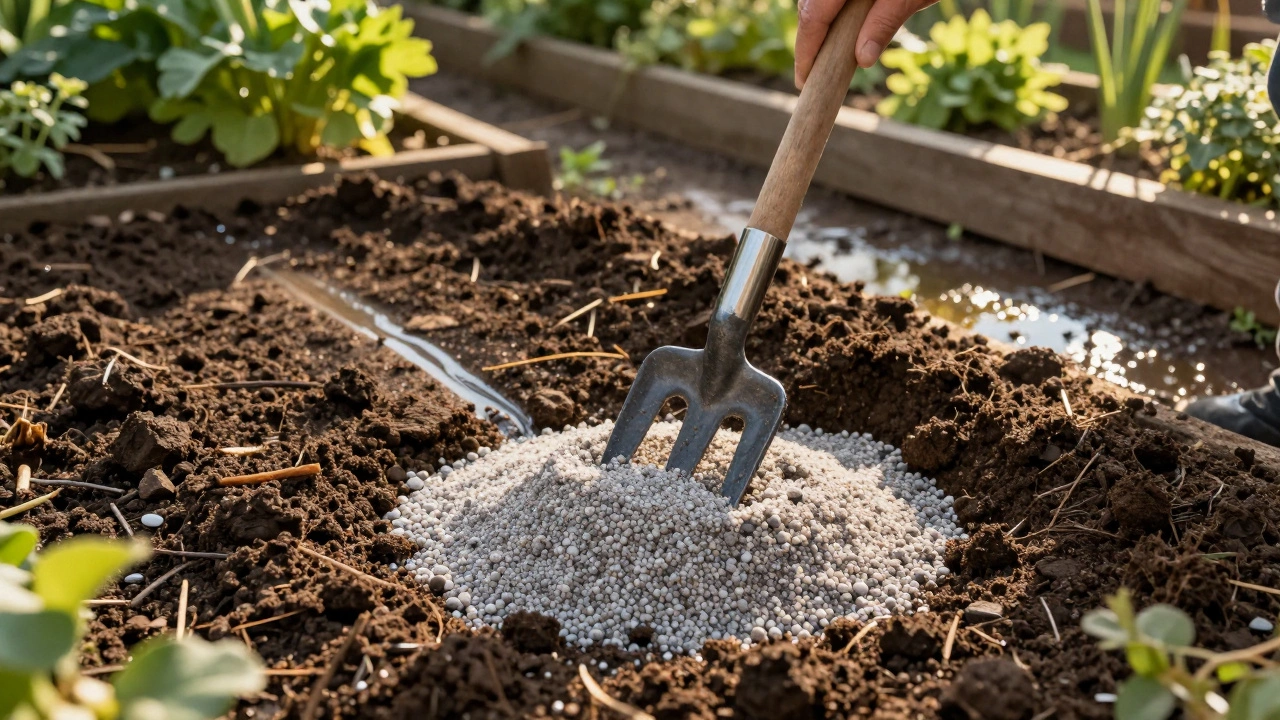
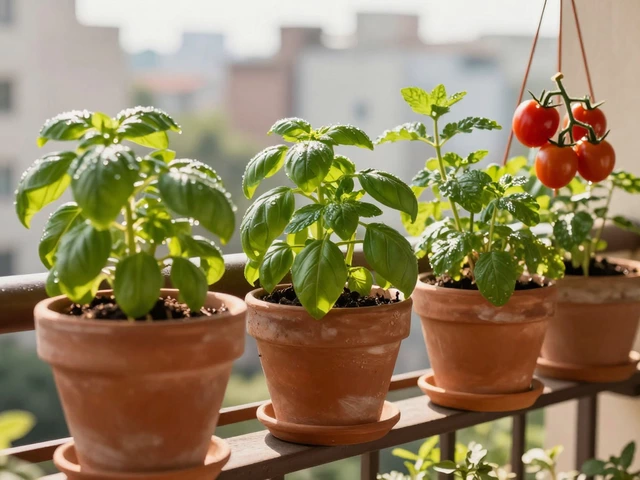
Perlite works best when mixed with compost, coco peat, or garden soil. A common recipe is 1 part perlite to 2 parts soil — enough to stop water from pooling around roots, especially during monsoons. If you’ve ever seen your potted basil or chilli plants wilt even after watering, it’s probably because the soil is drowning. Perlite fixes that. It’s also used in seed starting mixes because it keeps tiny roots from rotting while still holding just enough moisture. Compared to vermiculite, which holds water tightly, perlite is the go-to when you need drainage, not retention. That’s why it’s so popular in terrace gardens across Mumbai, Delhi, and Bangalore — places where rainfall is heavy but drainage is poor.
It’s not just for pots. Some farmers in Karnataka and Tamil Nadu mix perlite into raised beds to improve aeration in compacted soil. It’s also used in hydroponic setups as a root support medium because it’s sterile and neutral. You won’t find it in organic certification lists as a fertilizer, but as a physical soil conditioner, it’s unmatched. And unlike peat moss, which is environmentally questionable, perlite is mined and processed with minimal impact — it’s not renewable, but it lasts decades in the soil.
What you’ll find in the posts below are real-world fixes from Indian gardeners who’ve used perlite to rescue dying plants, optimize container gardens, and cut down on root rot. You’ll see how it pairs with drip irrigation systems, how it helps in small-space vegetable gardening, and why it’s often the missing piece in DIY potting mixes. No fluff. No theory. Just what works on balconies, terraces, and home gardens across India.
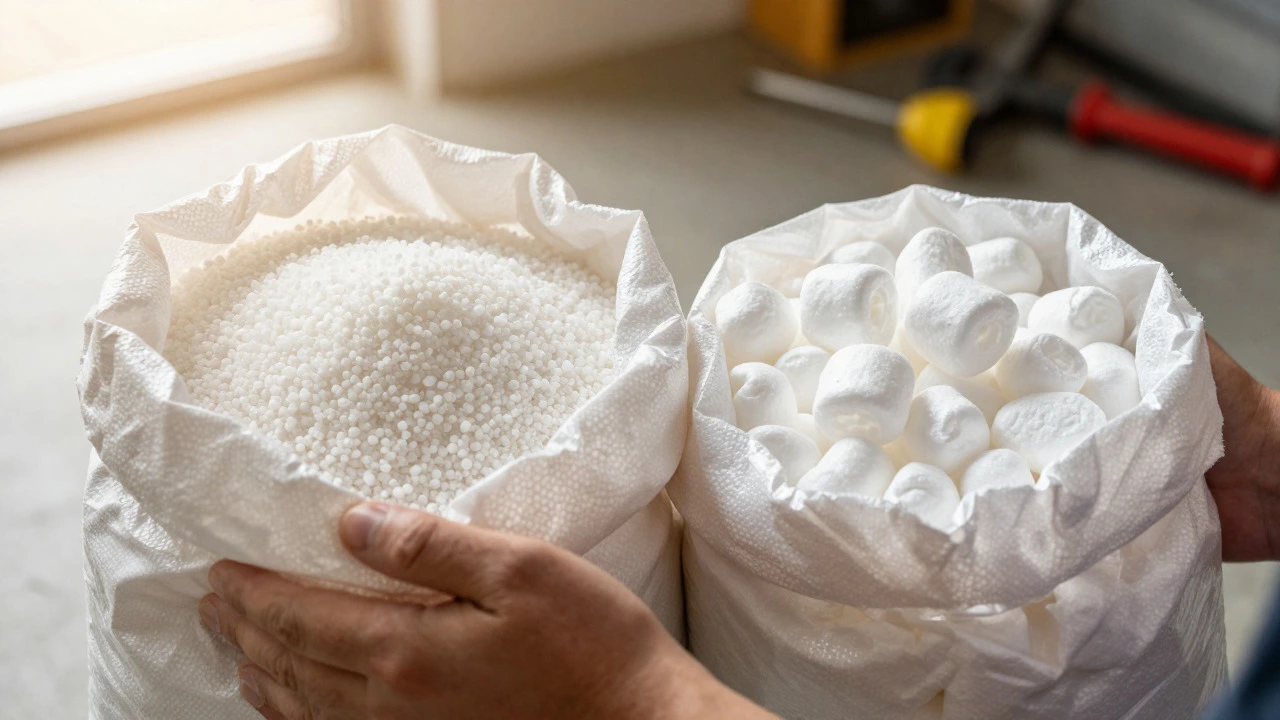
Can you use Styrofoam instead of perlite? We compare safety, drainage, and cost to help you decide if this plastic substitute is right for your garden soil.
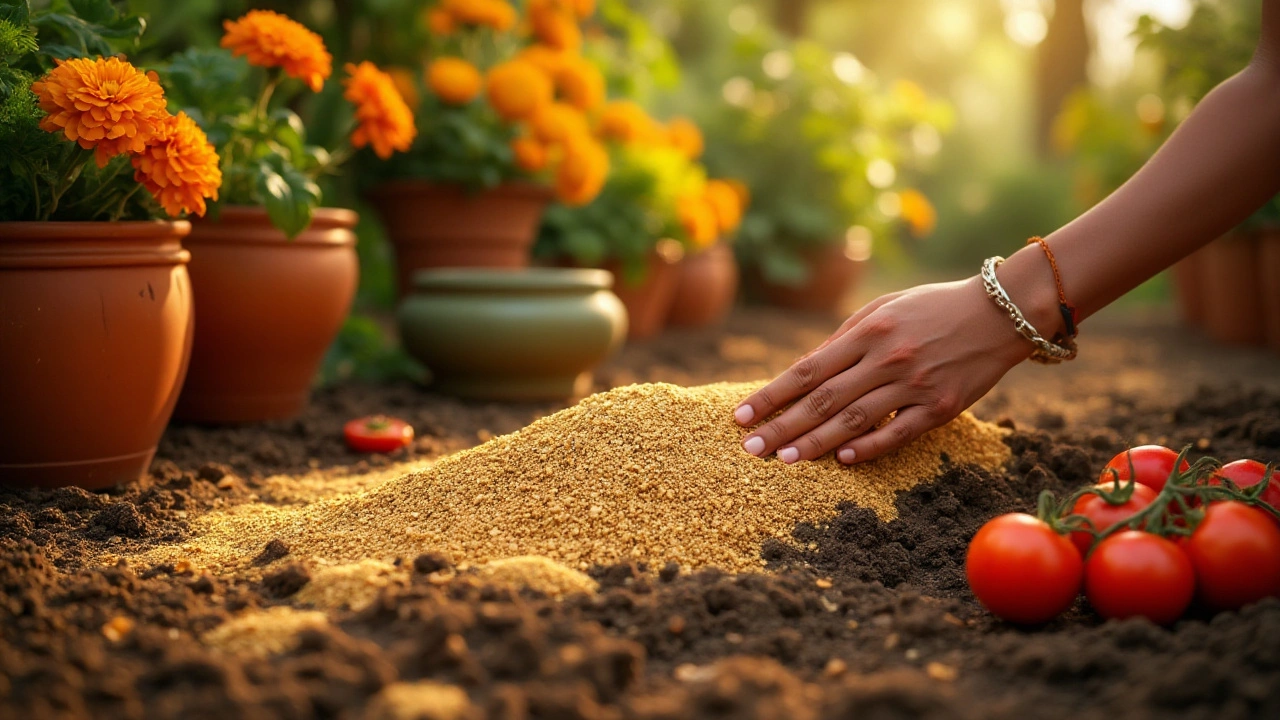
Learn what to add to soil to make it free draining with proven, practical amendments like perlite, coarse sand, and compost. Avoid common mistakes and build healthy, well-drained garden soil over time.
Perlite is a popular choice in gardening, known for its excellent drainage and lightweight nature. But it's not always the hero in every garden scenario. In some cases, using perlite can lead to pitfalls like water drainage issues or imbalanced soil composition. This guide dives into the specific situations where perlite isn't the best option, helping gardeners make informed decisions for lush, thriving plants.
Delving into the world of soil amendments, this article explores the unique properties of vermiculite and perlite. By examining their impact on soil aeration, moisture retention, and nutrient provision, gardeners can make informed decisions tailored to their specific planting needs. With vivid examples and practical gardening tips, readers will gain insights into optimizing their soil. Whether aiming to lighten heavy clay or retain moisture in sandy soil, discover which amendment best suits your garden’s demands.