Popular Indian Vegetable: Top Choices, Growing Tips, and What Works Best
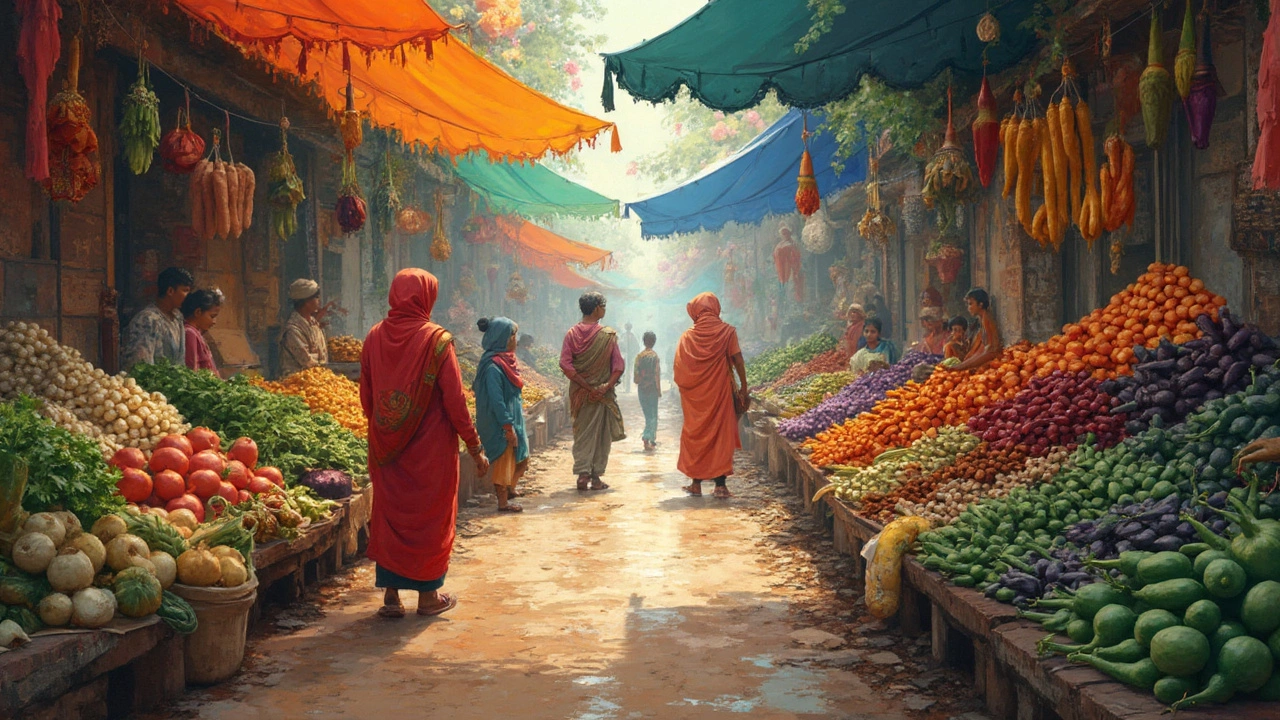
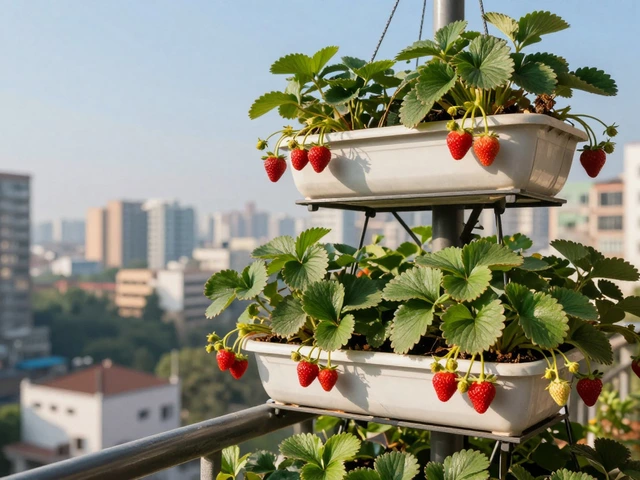
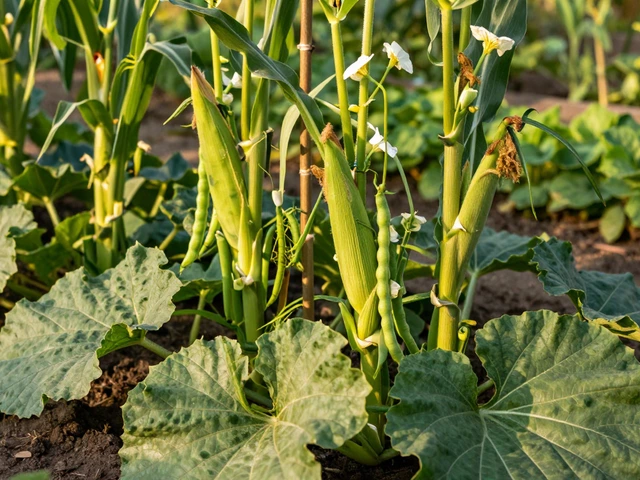
When people talk about popular Indian vegetable, a category of crops deeply rooted in Indian households, climate, and culture. Also known as traditional Indian kitchen crops, these plants aren’t just food—they’re part of daily life, from morning curries to evening stir-fries. You don’t need a large plot to grow them. Even a small balcony or terrace can turn into a steady source of fresh produce if you pick the right ones.
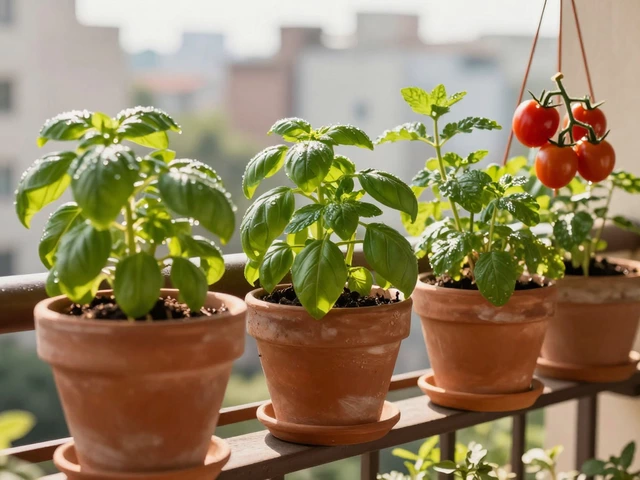
Not all vegetables do well in India’s hot, humid, or dry seasons. Some, like tomato, a high-yield crop that thrives with consistent watering and good drainage, are easy for beginners but need attention to pests. Others, like chili, a heat-loving plant that grows wild in many Indian backyards, need almost no care once established. Then there’s bitter gourd, a tough, climbing vine that demands space but repels insects naturally—perfect for vertical gardening on balconies.
What makes these vegetables work in India isn’t luck. It’s matching the plant to the season, soil, and sun. Many gardeners fail because they treat every vegetable like a houseplant. But popular Indian vegetable varieties like brinjal, okra, and spinach have evolved with the monsoon rhythm. They don’t need daily watering—just smart timing. A drip system might help, but mulching and compost often do more. You don’t need fancy tools. You need to understand what the plant wants before you reach for the hose.
Some of the best growers in India skip chemical fertilizers entirely. They use homemade compost, kitchen scraps, and neem oil spray—tools you already have. The same methods that fix compacted soil or save water in a terrace garden also boost vegetable yield. You’ll find posts here that show exactly how to grow these crops without wasting time or money. Whether you’re trying to grow veggies in a 10x10 space or reviving old garden soil, the answers are practical, not theoretical.
What you’ll see below isn’t a list of generic tips. It’s real advice from people who’ve grown these vegetables in India’s toughest conditions—on rooftops, in pots, during heatwaves, and with limited water. You’ll learn which vegetables are easiest to start with, which ones need the most care, and why some plants that look perfect in catalogs just die in Indian summers. No fluff. Just what works.
In India, a country known for its diverse cuisine and vast agricultural heritage, determining the king of vegetables is no easy task. This article explores the rich variety of vegetables cultivated across the nation, highlighting the cultural and nutritional significance of each. It delves into why these vegetables hold a special place in Indian households. By presenting practical gardening tips and historical contexts, it offers readers valuable insights into growing these staple vegetables.
Continue reading...