Profitable Vegetables in India: Top Crops That Grow Fast and Sell Well
When it comes to profitable vegetables in India, crops that deliver high returns with low input and quick harvest cycles. Also known as commercial vegetables, these are the plants farmers and home gardeners choose when they want to turn soil into cash. Unlike ornamental flowers or slow-growing fruits, these vegetables are picked, packed, and sold within days—often straight from backyard plots to local markets.
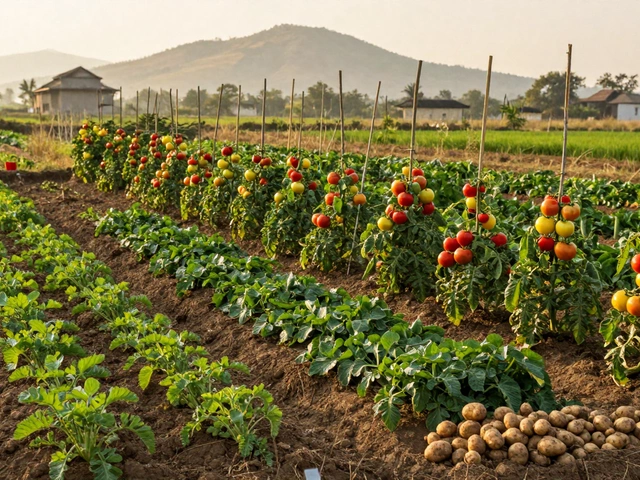
What makes a vegetable truly profitable here? It’s not just about price per kilo. It’s about how fast it grows, how much you can grow in a small space, and how often you can harvest. chilies, a staple in every Indian kitchen and a top export crop, can yield three to four harvests a year in southern states. tomatoes, grown in pots, polyhouses, or open fields, sell year-round and respond well to organic fertilizers and drip systems. Then there’s bitter gourd, a high-value crop that thrives in humid monsoon conditions and fetches premium prices in urban markets. These aren’t just vegetables—they’re income generators.
You don’t need acres to make money. Even a 10x10 terrace or a balcony can turn into a mini-farm. Many gardeners in cities like Bangalore, Pune, and Hyderabad are skipping the supermarket and growing their own profitable vegetables in India—selling extras to neighbors or local vendors. The key? Pick crops that match your climate, use smart watering like drip irrigation or soaker hoses, and avoid overwatering, which kills more plants than pests. Soil matters too. Compacted or tired soil won’t support high yields, but with compost and aeration, even old garden beds can bounce back.
Some of the most successful growers focus on seasonal spikes. For example, during Diwali or weddings, demand for fresh greens like amaranth and spinach jumps. Others grow specialty items like purple carrots or rainbow chard—unusual enough to stand out at farmers’ markets. And while durian might be the costliest fruit, it’s the humble okra and eggplant that keep small-scale farmers paid week after week.
This collection of posts gives you real, tested advice from gardeners who’ve figured out what works. You’ll find guides on fixing soil, choosing the right containers, using natural insecticides like neem oil, and setting up irrigation that doesn’t waste water. Whether you’re growing on a rooftop, in a backyard, or planning a small farm, you’ll see which vegetables actually pay off—and how to grow them without guesswork.