Queen of Flowers: Why Jasmine Rules Indian Gardens and How to Grow It Right
When people in India say Queen of Flowers, a poetic title given to jasmine for its intense fragrance, cultural importance, and year-round blooming in warm climates. Also known as Mogra, it doesn’t just smell good—it’s woven into weddings, temples, and morning rituals across the country. This isn’t just about beauty. The Queen of Flowers survives harsh summers, thrives in monsoon humidity, and blooms when most plants are struggling. That’s why it’s not just loved—it’s relied on.
What makes the Mogra flower, a specific variety of jasmine (Jasminum grandiflorum) native to South Asia and prized for its night-blooming scent so special? Unlike showy roses or loud marigolds, it doesn’t shout. It whispers—through scent that lingers long after sunset. Gardeners in Karnataka, Tamil Nadu, and Maharashtra know this: if you can grow Mogra, you can grow almost anything. It needs well-drained soil, bright indirect light, and consistent moisture—but not drowning. Overwater it, and you’ll get root rot, just like with bonsai trees or Vanda orchids. Too dry? The buds drop. It’s a delicate balance, which is why so many fail. But when you get it right, you’re not just growing a plant—you’re growing tradition.
The rainy flower India, a local name for jasmine because it explodes into bloom during monsoon season, signaling the peak of India’s wet season isn’t just poetic. It’s practical. Monsoon rains trigger its most intense flowering, making it the perfect plant for humid climates. You’ll find it growing on terraces, balconies, and even in small pots near windows in Mumbai apartments. It doesn’t need a big yard. It needs attention. And that’s why it shows up in posts about balcony gardening, homemade fertilizers, and soil health. You can’t grow it with neglect. You need to know when to water, how to feed it with compost, and how to protect it from pests—often with neem oil, the same natural insecticide that saves other sensitive plants.
Other flowers might win beauty contests. But the Queen of Flowers? She wins hearts with scent, resilience, and cultural weight. Whether you’re growing it on a 10x10 patio, reviving old garden soil, or trying to make your terrace bloom year-round, jasmine is the plant that ties it all together. Below, you’ll find real guides from Indian gardeners who’ve cracked the code—on watering schedules, pest control, soil prep, and why this flower refuses to quit, even when everything else does.
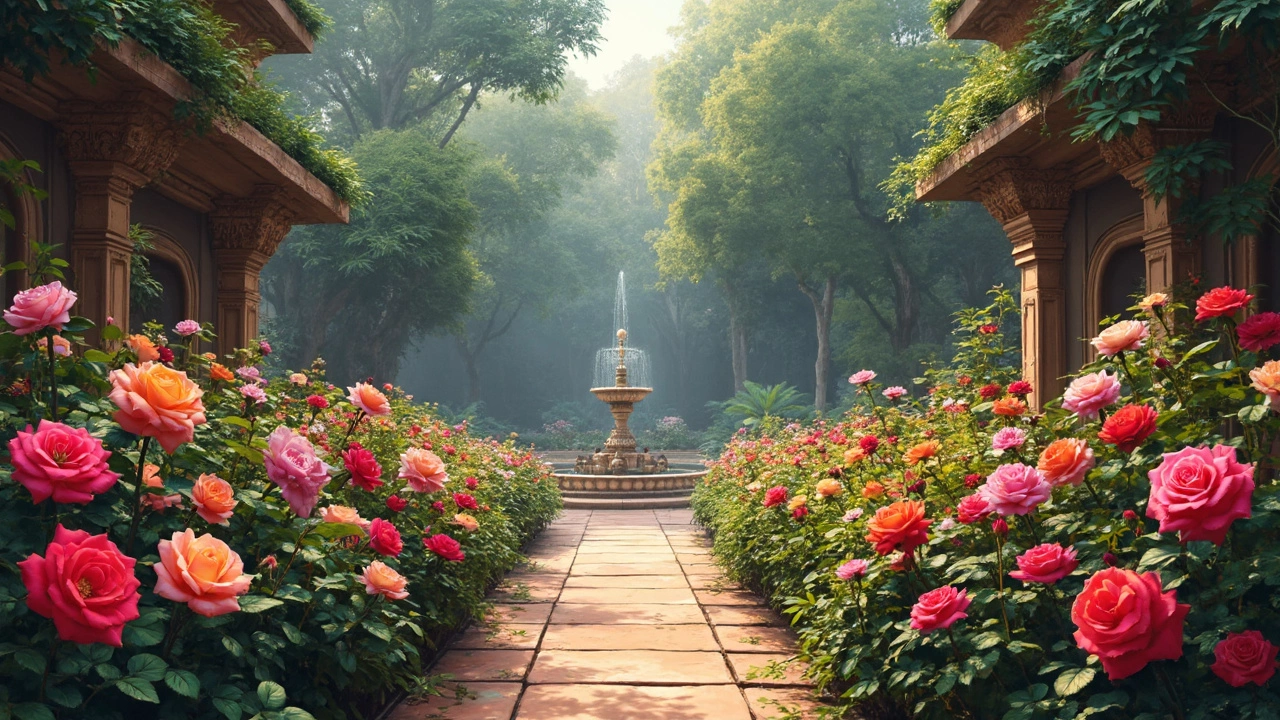
Flowers have always held a special place in our hearts, but the rose is often considered the queen among them. In India, roses offer vibrancy and fragrance to gardens. This article delves into practical tips on growing and caring for these royal blooms in Indian climates. We'll explore different varieties of roses and their historical significance.