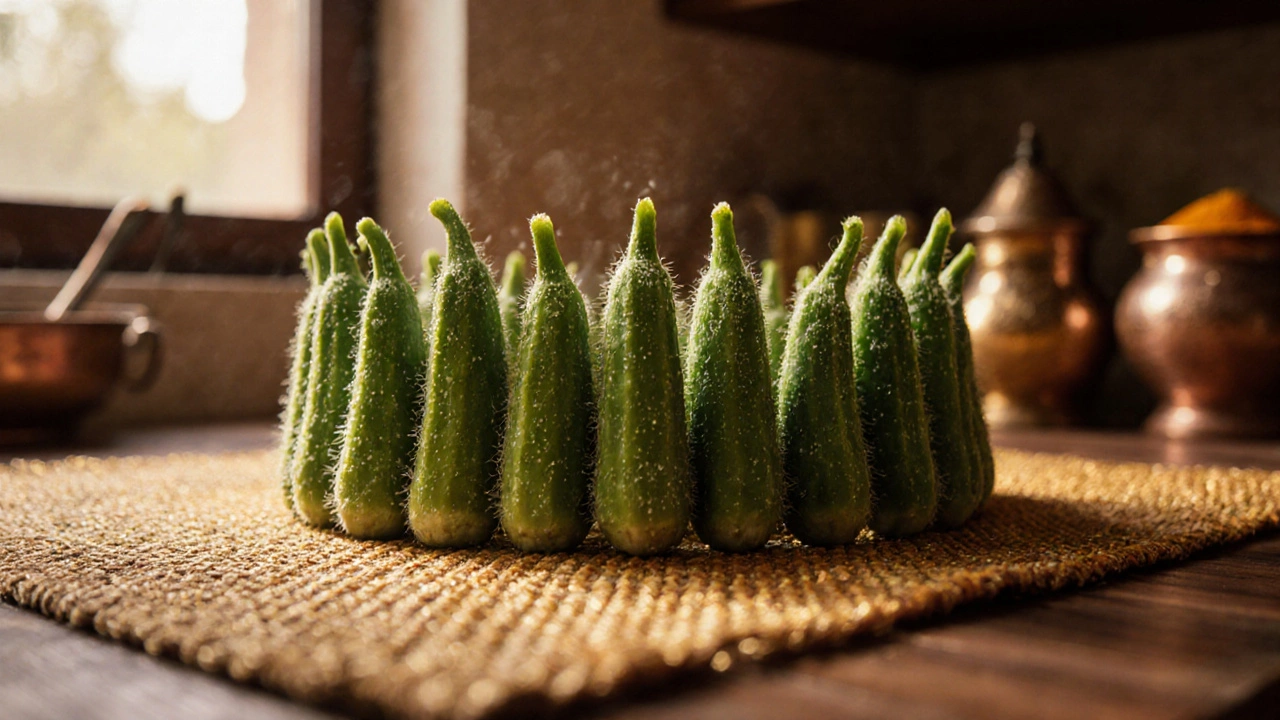
Queen of Vegetables India: Why Brinjal Rules Indian Kitchens and Gardens
When people in India talk about the queen of vegetables, a title given to brinjal for its rich flavor, versatility, and deep cultural roots in Indian cuisine. Also known as eggplant, it's not just a crop—it's a staple that shows up in curries, pickles, fries, and even street food across every state. You won’t find a single Indian household that doesn’t cook with it. But why does this purple fruit (yes, it’s a fruit botanically) earn such a royal title? It’s not just taste. Brinjal grows well in India’s hot, humid climate, survives droughts better than most veggies, and gives high yields even in small spaces—perfect for terrace gardens and balcony plots.
The brinjal, a nightshade plant closely related to tomatoes and potatoes needs warm soil, good drainage, and regular feeding—things many Indian gardeners already know how to manage. It’s not picky about soil type, but it hates waterlogging. That’s why fixing compacted soil with compost and mulch, as covered in several posts here, makes a huge difference. Pest problems? Neem oil works wonders. It’s a natural insecticide that keeps aphids, fruit borers, and spider mites away without harming bees or the soil. You’ll find this exact advice in the post about the most powerful natural insecticide. And if you’re growing it in pots, you’ll need to know how many emitters to use per zone for consistent watering—something we break down in detail for drip irrigation systems.
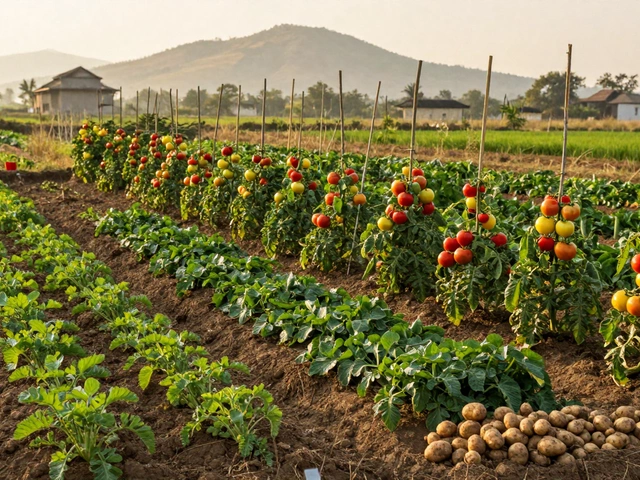
Brinjal doesn’t just feed families—it feeds economies. In states like West Bengal, Andhra Pradesh, and Karnataka, farmers grow it year-round. The crop cycles align with monsoon patterns, and smart watering techniques like soaker hoses or rainwater harvesting help reduce dependency on pumps. Even in dry regions, gardeners use mulching to lock in moisture. If you’ve ever wondered why some plants thrive while others die in the same garden, the answer often lies in how you treat the soil. Revitalizing old garden soil with organic matter is one of the simplest ways to boost brinjal yields. And if you’re growing it on a balcony, you’re not alone—many urban gardeners in Mumbai, Delhi, and Chennai rely on container gardening to get fresh brinjal every week.
It’s not just about planting and waiting. The queen of vegetables demands attention—pruning, staking, checking for early signs of rot, and harvesting at the right time. Overwatering can kill it just like it kills bonsai trees. And if you’re using drip irrigation, you don’t need to run it every day. The right schedule depends on your weather, soil, and plant stage. The posts here give you real, tested advice—not guesswork. Whether you’re growing it for the first time or you’ve been harvesting brinjal for decades, there’s something here that’ll help you grow more, waste less, and enjoy better flavor.
Below, you’ll find real guides from Indian gardeners who’ve cracked the code on growing this royal crop—how to fix soil, fight pests naturally, choose the best varieties, and make the most of small spaces. No fluff. Just what works.
Discover why okra, known as bhindi, is hailed as India's queen of vegetables-its fast growth, heat tolerance, nutrition, and iconic dishes explained.
Continue reading...