Rabbits in Gardening: What You Need to Know About Pest Control, Compost, and Garden Safety
When you think of rabbits, small, furry herbivores common in Indian backyards and rural gardens. Also known as bunnies, they’re cute—but they can turn your vegetable patch into a snack bar overnight. Many gardeners in India don’t realize how much damage a single rabbit can do. They don’t need a whole herd to destroy seedlings, chew through young fruit trees, or strip the leaves off your spinach. And unlike deer or rodents, rabbits are quiet, active at dawn and dusk, and often go unnoticed until it’s too late.
Rabbits are garden pests, animals that feed on cultivated plants and reduce crop yields—but they’re not villains. They’re just following their instincts. In India, where home gardens often blend with open fields, rabbits find easy access to tender greens like lettuce, cabbage, and carrots. They especially love plants with high water content, which is why your monsoon-season crops are at highest risk. The real problem? Most people try to scare them away with noise or shiny objects, which barely works. What actually helps is understanding what rabbits eat, where they hide, and how to make your garden less inviting without using chemicals.
Here’s the thing: organic pest control, natural methods to manage garden pests without synthetic chemicals isn’t just about spraying neem oil. It’s about changing your garden’s layout. Rabbits avoid strong-smelling herbs like rosemary, lavender, and mint. Planting these around your veggies acts like a natural fence. Raised beds also help—rabbits aren’t great climbers. And if you’re using compost, decomposed organic matter used to enrich soil, make sure it’s covered. Rabbits dig into compost piles looking for food scraps, and they’ll tear through your bin looking for banana peels or veggie scraps. A simple wire mesh lid solves that.
You don’t need traps, poisons, or expensive fencing. Just a few smart moves: keep tall grass away from your garden edges, remove hiding spots like old wood piles, and water your plants early in the day so the soil dries before nightfall—rabbits prefer damp ground. If you’ve got kids or pets, you’ll also want to avoid any chemical repellents. The best solutions are the ones that work with nature, not against it.
Below, you’ll find real advice from gardeners who’ve dealt with rabbits firsthand. Some learned the hard way after losing entire rows of carrots. Others figured out how to live alongside them—turning a problem into a lesson in balance. Whether you’re growing veggies on a balcony or managing a small farm, these posts give you the practical steps that actually work in India’s climate and conditions.
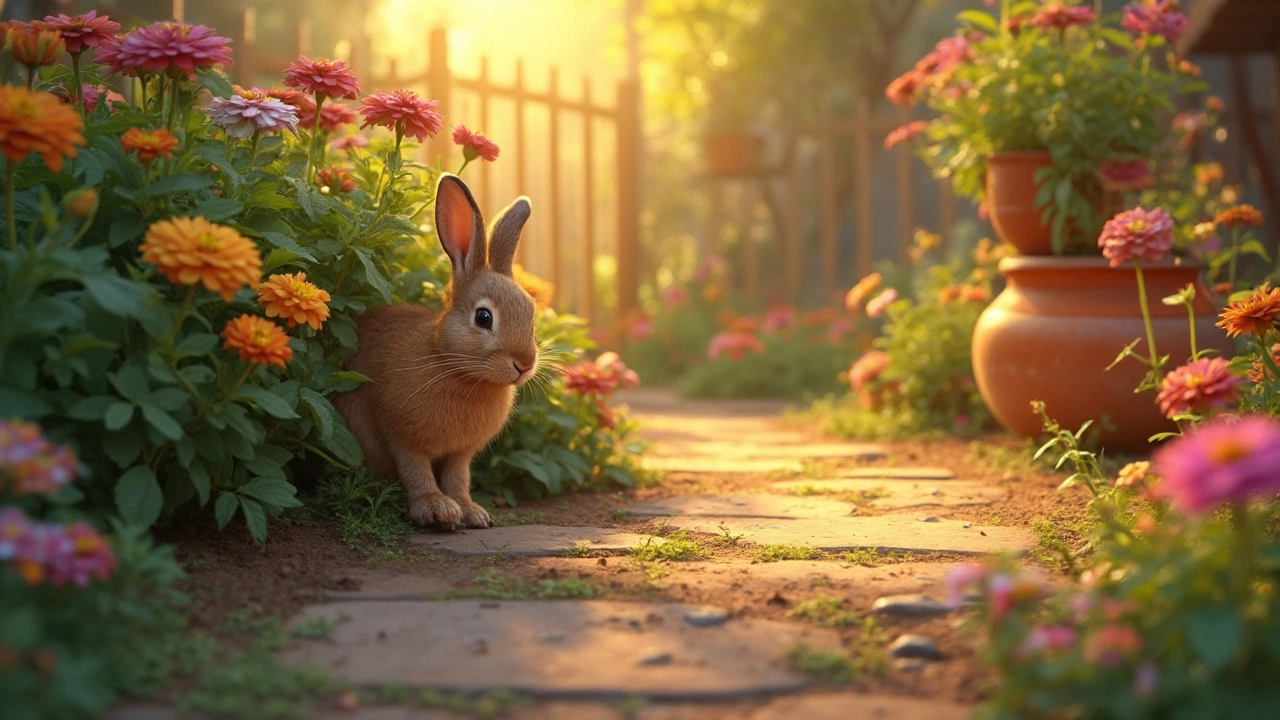
Wondering if rabbits munch on zinnias? This article digs into whether your bright garden flowers are at risk from hungry bunnies. Learn what attracts rabbits, how to spot their nibbling, and real tricks to keep your zinnia patch safe. Get ready to protect your kitchen garden with practical, easy advice. Stay one step ahead of these fluffy visitors.
Wondering if rabbits munch on your bleeding hearts? This guide will break down whether these garden favorites attract hungry bunnies or not. You'll find out how likely it is for your plants to end up as a rabbit's snack and pick up easy tricks to keep your garden safe. Plus, get the scoop on why some plants tend to be left alone. All straight and to the point—no time wasted.