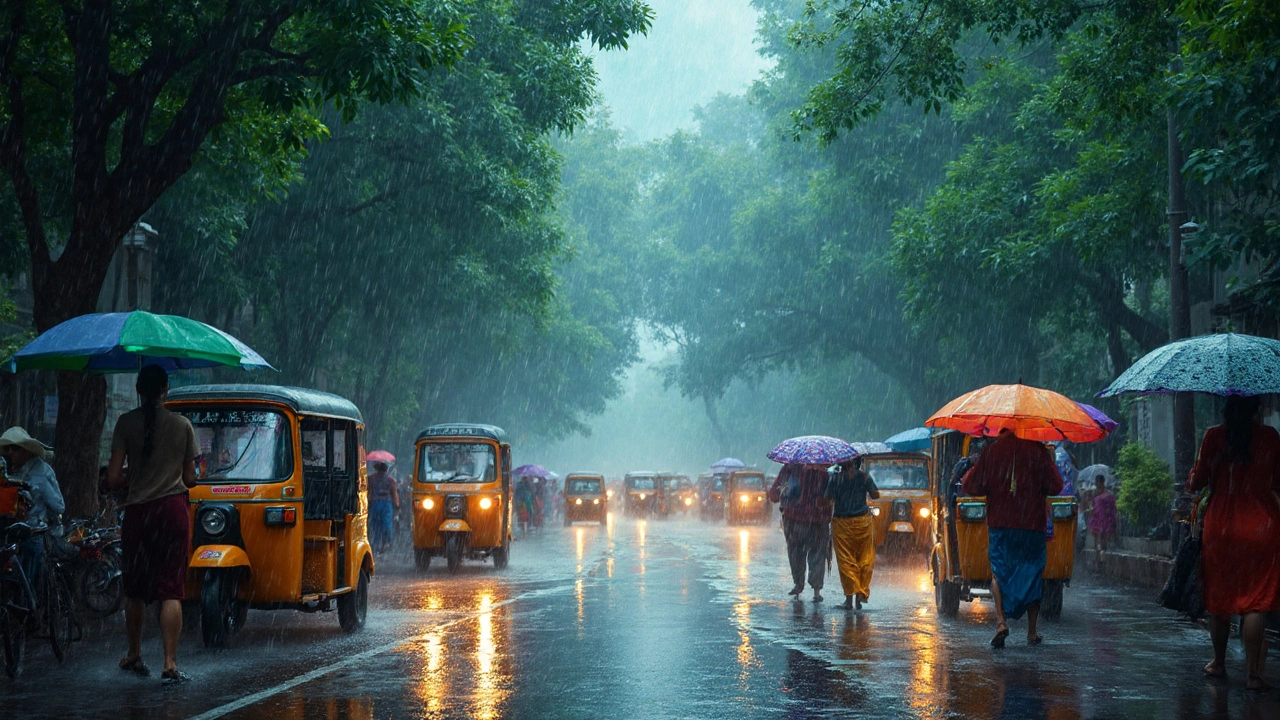
Rainfall Stats India: What You Need to Know for Better Gardening
When you’re gardening in India, rainfall stats India, the annual and seasonal patterns of rain across the country that determine what plants survive and thrive. Also known as monsoon rainfall patterns, these numbers aren’t just weather data—they’re the blueprint for your garden’s success. If you’re watering like clockwork because you think every plant needs daily water, you’re probably drowning your roots. Rainfall stats India tell you when nature is already doing the job—and when you need to step in.
Think about it: in Kerala, you might get over 3,000 mm of rain a year, while Rajasthan sees less than 200 mm. That’s not a difference in preference—it’s a difference in survival. Plants that thrive in the wet monsoon zones like Mogra jasmine, a native flowering plant that blooms only during the rainy season will die in dry soil. Meanwhile, plants like sandalwood, which is already endangered due to overharvesting, need careful moisture control because they can’t handle flooding. This is why rainwater harvesting, collecting and storing rainwater for later use in gardens isn’t just eco-friendly—it’s smart economics. In places like Tamil Nadu or Maharashtra, where monsoon rains come in bursts, harvesting even a fraction of that water means you won’t need to rely on pumps or tankers during dry months.
And it’s not just about how much rain falls—it’s when. The monsoon doesn’t arrive the same day everywhere. In South India, it hits in early June. In the north, it’s late June or early July. If you’re planting tomatoes or chillies based on a generic guide from the UK, you’re setting yourself up for failure. Your soil, your plants, your timing—all of it ties back to local rainfall stats India. That’s why posts here cover everything from fixing compacted soil after heavy rains to choosing the toughest plants for seasonal swings. You’ll find guides on how to adjust drip irrigation based on real rainfall data, why soaker hoses beat drip systems in high-rain zones, and how to use mulch to stretch every drop of water you have.
There’s no one-size-fits-all watering schedule in India. Your garden’s rhythm is written in the sky. Once you learn to read the rainfall stats, you stop guessing. You start growing smarter.
Discover which months bring the heaviest rains to India, with facts, stats, and real-life tips for travelers or locals. Plan around India's wettest seasons confidently.