Raised Bed Soil: What It Is, Why It Matters, and How to Get It Right
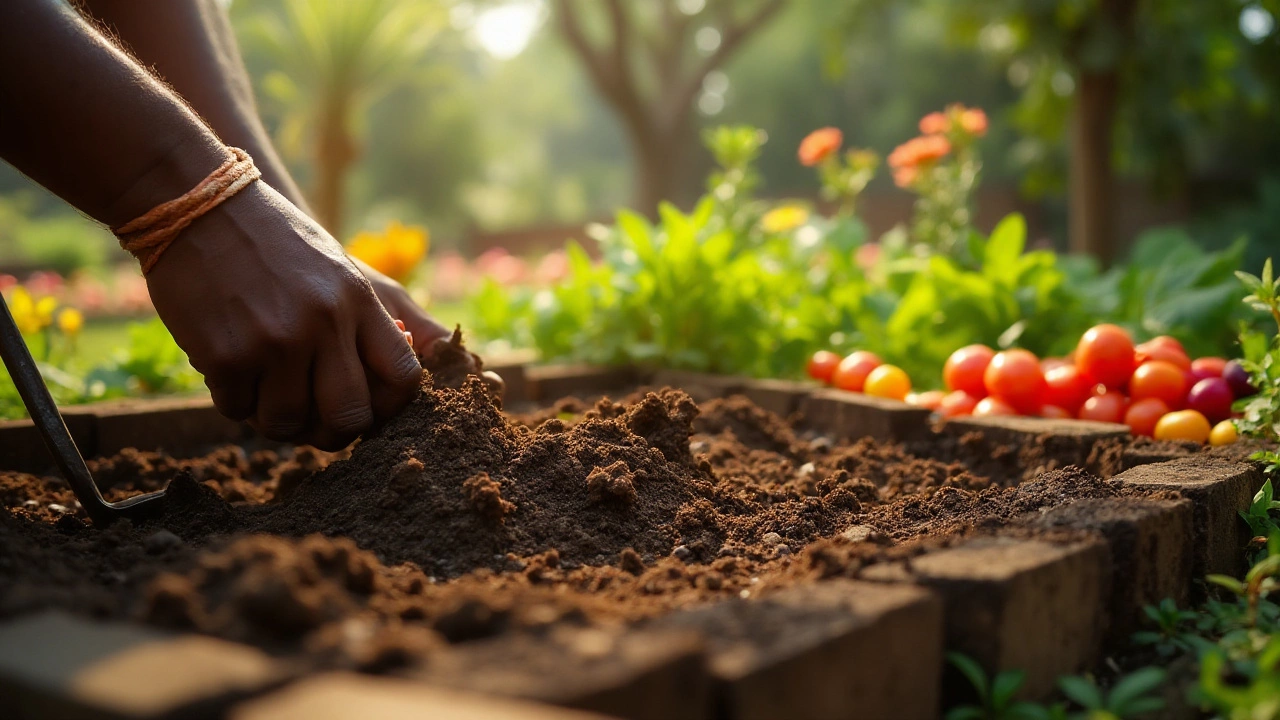
When you build a raised bed soil, a specially formulated growing medium designed for elevated garden beds. Also known as bed mix, it’s not just dirt you scoop from your yard—it’s a science-backed blend that gives roots room to breathe, drains well, and feeds plants all season. Most people think any soil works in a raised bed. It doesn’t. Regular garden soil gets compacted fast, suffocates roots, and turns to mud when it rains. That’s why gardeners who use the wrong mix end up with stunted plants, yellow leaves, or total crop failure.
Soil amendment, organic or inorganic material added to improve soil structure and fertility. Also known as garden conditioner, is what turns bad dirt into something plants love. Think compost, aged manure, coconut coir, or perlite. These aren’t optional extras—they’re the backbone of healthy raised bed soil. Without them, even the best plants struggle. You don’t need fancy bags from the store. Many top gardeners make their own mix using 1/3 compost, 1/3 peat or coir, and 1/3 vermiculite or perlite. It’s cheap, effective, and lasts years.
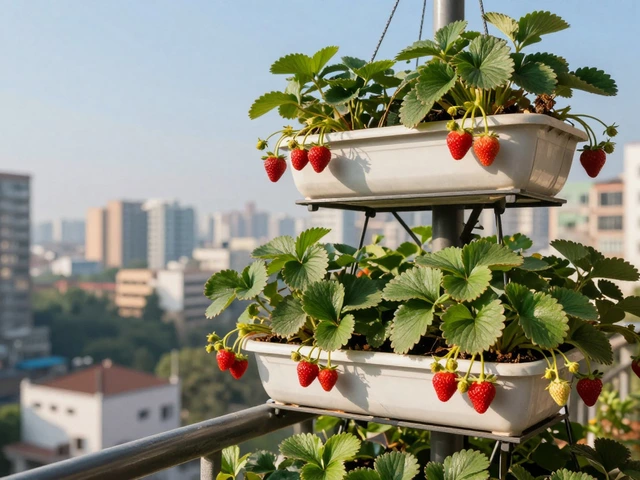
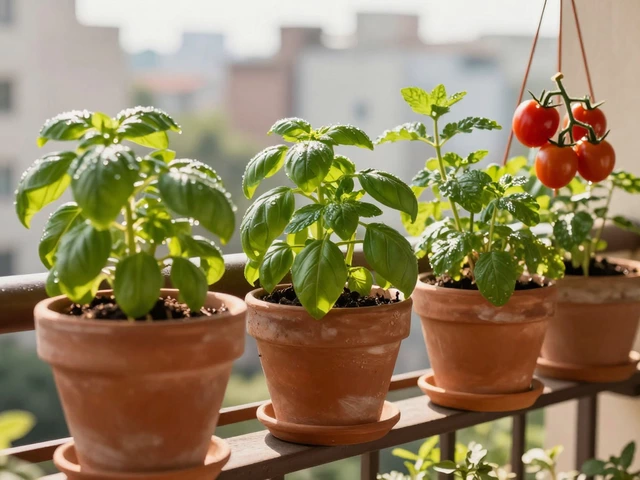
And then there’s container gardening, growing plants in enclosed spaces like pots, planters, or raised beds. Also known as pot gardening, it’s the reason raised bed soil matters so much. If you’re growing tomatoes on a balcony, carrots in a wooden box, or herbs on a rooftop, your soil has to do more work than ground soil ever could. It holds water without drowning roots. It stays loose so roots spread. It feeds slowly so plants don’t burn. The same principles apply whether you’re growing in a 2-foot-tall bed or a 5-gallon pot.
You’ll find plenty of posts here that dig into what works—and what doesn’t. Some show how to fix compacted soil using compost and aeration. Others break down homemade fertilizers that feed your raised beds without chemicals. There are guides on reviving tired soil, choosing the right mix for veggies, and even how to save money by making your own soil blend instead of buying pre-packaged stuff. You’ll see how rainwater harvesting and mulching help retain moisture in raised beds, and why drip irrigation systems work better when paired with the right soil.
This isn’t about buying the most expensive product. It’s about understanding what your plants actually need. Raised bed soil isn’t magic. It’s just the right balance of air, water, and food—delivered in a way that mimics nature. Get that right, and your garden won’t just survive. It’ll thrive.
Selecting the right soil for raised garden beds can greatly influence the health and yield of your plants. The ideal soil mix should offer excellent drainage, adequate nutrients, and a proper balance of organic material. Understanding soil layers helps gardeners blend their own optimal mix using local resources. Tips such as using compost and maintaining the pH level can enhance soil quality and plant growth.
Continue reading...