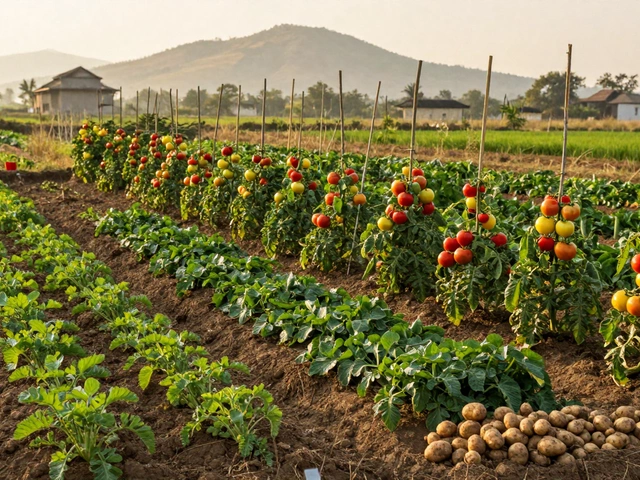
No-Till Farming: Benefits, Challenges & How to Get Started
Dig into the no-till method—how skipping the plough improves soil, saves work, and helps the planet. Honest pros, real challenges, and steps to start.
Continue reading...When you hear regenerative agriculture, a farming and gardening approach that restores soil, water, and biodiversity instead of depleting them. Also known as soil-first gardening, it’s not just about growing plants—it’s about fixing the ground they grow in. Most gardens in India suffer from compacted, lifeless soil. You water, you fertilize, you keep adding stuff—but the plants still struggle. That’s because you’re treating symptoms, not the cause. Regenerative agriculture flips the script. Instead of dumping chemicals on the surface, it works from the bottom up—feeding the microbes, rebuilding structure, and letting nature do the heavy lifting.
This approach doesn’t need fancy gear or expensive inputs. It’s built on simple, proven practices you can start today. composting, turning kitchen scraps and plant waste into nutrient-rich soil food is the backbone. It’s not just fertilizer—it’s a living culture that unlocks nutrients plants can’t access on their own. Then there’s cover crops, plants like clover or mustard grown between main crops to protect and enrich the soil. They stop erosion, suppress weeds, and feed soil microbes when your vegetables aren’t growing. And unlike traditional methods that rely on constant tilling, regenerative gardening leaves the soil undisturbed. That means earthworms stay, fungal networks thrive, and water sinks in instead of running off.
What you’ll find in the posts below isn’t theory—it’s real fixes from Indian gardens. You’ll see how to revive compacted soil using just compost and mulch, how rainwater harvesting cuts irrigation needs by half, and why neem oil works better than synthetic sprays because it supports soil life instead of killing it. You’ll learn how to build a self-sustaining garden that feeds itself, how to choose plants that naturally improve the land, and why the toughest plant to grow isn’t the exotic orchid—it’s the one you keep treating like it needs constant help.
Regenerative agriculture isn’t a trend. It’s the only way to grow food that lasts. If you’re tired of fighting with your soil, this is where you start. The tools are simple. The results? They grow deeper than you think.
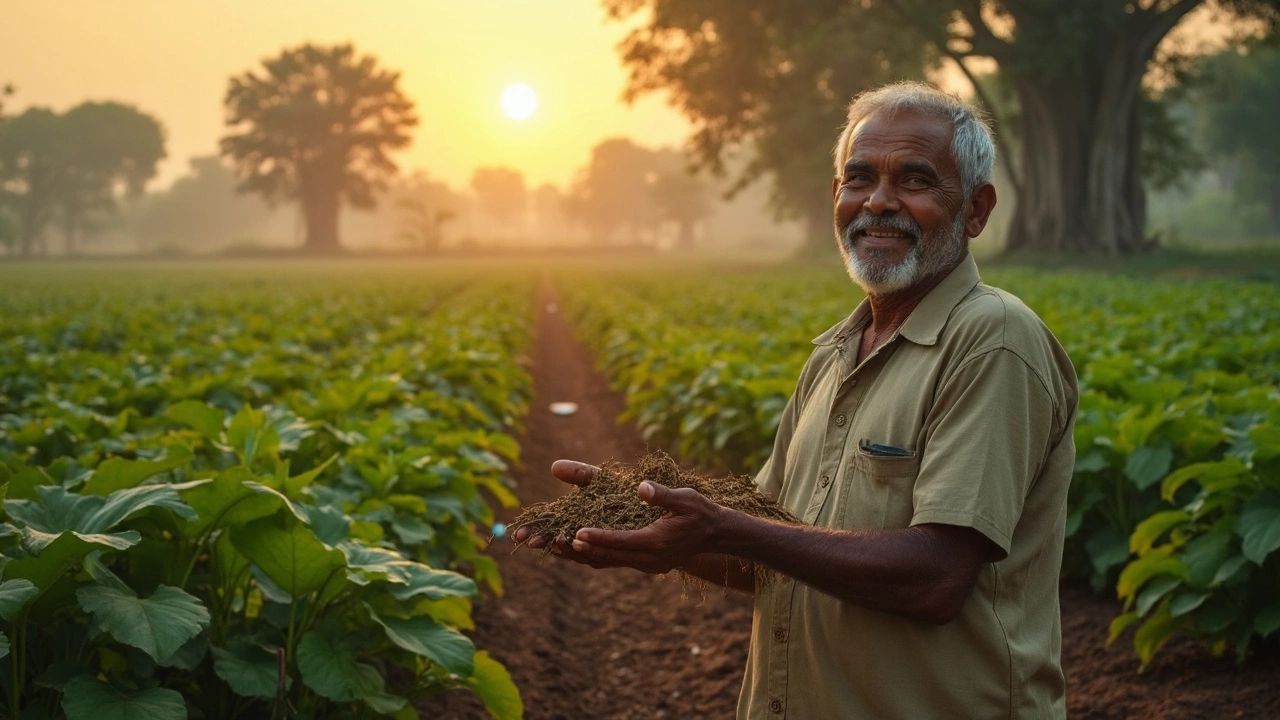
Dig into the no-till method—how skipping the plough improves soil, saves work, and helps the planet. Honest pros, real challenges, and steps to start.
Continue reading...