Regenerative Gardening: Build Soil, Save Water, and Grow Stronger Plants
When you practice regenerative gardening, a method of growing plants that heals the soil instead of depleting it. Also known as soil-first gardening, it focuses on bringing life back into dirt that’s been worn out by chemicals, over-tilling, or poor watering. This isn’t just about growing more food—it’s about fixing what’s broken beneath your plants. In India’s hot, dry climates, where soil turns to dust and water runs scarce, regenerative gardening isn’t optional. It’s the only way to keep growing without begging for more resources.
At its core, regenerative gardening, a method of growing plants that heals the soil instead of depleting it. Also known as soil-first gardening, it focuses on bringing life back into dirt that’s been worn out by chemicals, over-tilling, or poor watering. This isn’t just about growing more food—it’s about fixing what’s broken beneath your plants. In India’s hot, dry climates, where soil turns to dust and water runs scarce, regenerative gardening isn’t optional. It’s the only way to keep growing without begging for more resources.
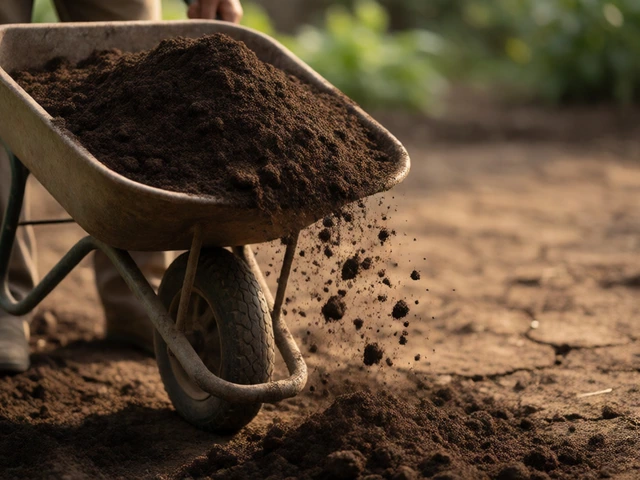
It works by mimicking nature. No tilling. No synthetic fertilizers. Instead, you add composting, the natural process of breaking down organic waste into nutrient-rich soil. Also known as kitchen scrap recycling, it turns food scraps and yard clippings into black gold that feeds plants for years. You cover the soil with mulch, a layer of organic material like leaves, straw, or wood chips that protects soil, holds moisture, and prevents weeds. Also known as soil blanket, it cuts watering needs by up to 70%. And you capture rainwater harvesting, collecting and storing rain for later use in the garden. Also known as roof-to-garden water systems, it turns monsoon downpours into a year-round advantage. These aren’t fancy tricks. They’re simple, cheap, and proven—exactly what you’ll see in the posts below.
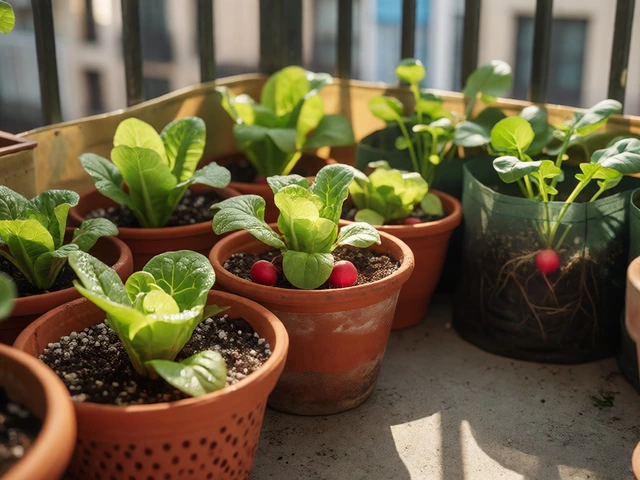
You’ll find real stories here: how someone fixed compacted soil with just a fork and compost, how a balcony gardener cut water use in half with mulch and drip zones, how neem oil replaced chemical sprays without losing pest control. You’ll learn why overwatering kills bonsai trees, how to revive dead soil without buying expensive products, and why drip irrigation alone isn’t enough. Every post is written by gardeners who’ve tried it, failed, and figured it out—not by theorists.
This isn’t about doing more. It’s about doing better. Regenerative gardening doesn’t ask you to buy new tools or spend thousands. It asks you to pay attention—to the soil, the rain, the plants. And if you’re tired of fighting your garden, these pages will show you how to finally make it work—with less effort, less water, and more life.
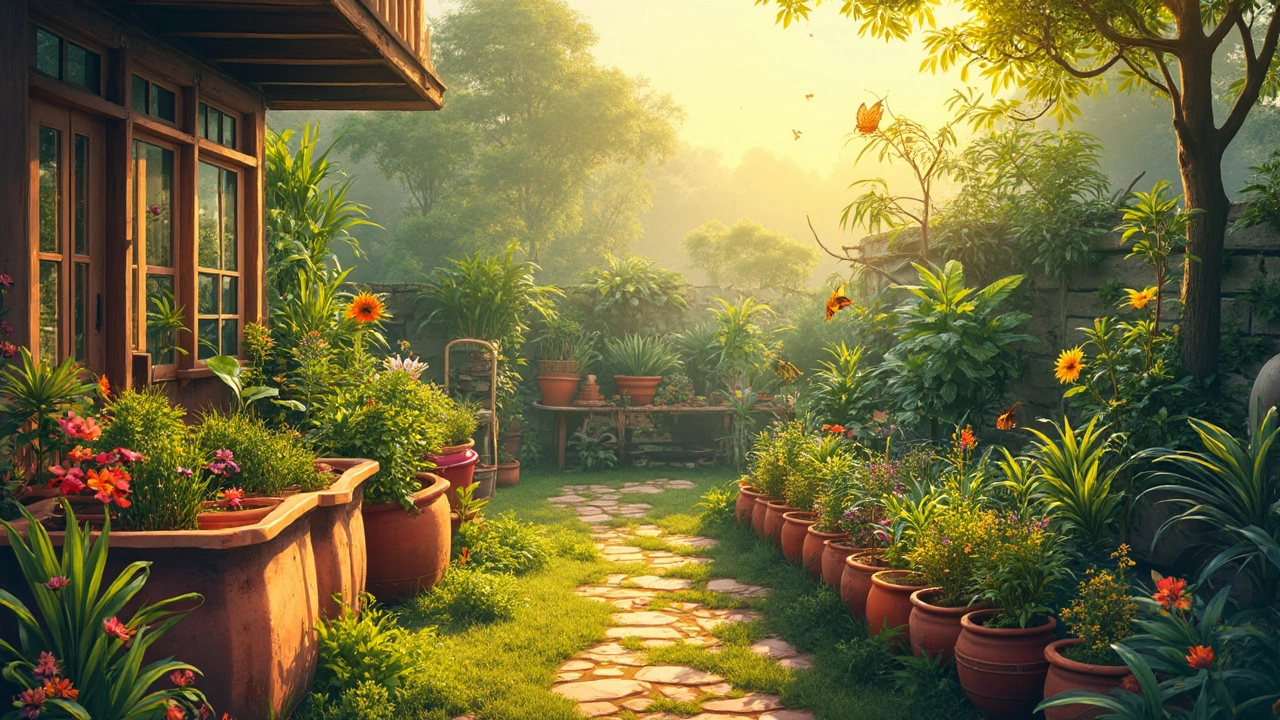
Regenerative gardening is all about working with nature to create a thriving ecosystem in your own backyard. It goes beyond traditional methods by focusing on soil health, biodiversity, and sustainable practices that replenish resources rather than deplete them. From composting to crop rotation, regenerative techniques can transform even the smallest garden into a vibrant, productive space. Discover how you can contribute to a healthier planet through your gardening efforts.