Rematerialize Garden Soil: How to Bring Dead Soil Back to Life
When you rematerialize garden soil, you restore life to soil that’s become hard, lifeless, and unable to support healthy plants. It’s not magic—it’s science. Most gardeners think their soil is just "bad," but the truth is, it’s usually just compacted soil, soil pressed down so tightly that air, water, and roots can’t move through it. This happens when you walk on it too much, overuse chemical fertilizers, or skip adding organic matter. The result? Plants struggle, water pools on top, and roots turn brittle.
But you can fix this. Soil amendment, the process of adding materials like compost, leaf mold, or worm castings to improve soil structure, is the key. It’s not about buying expensive products—it’s about working with what nature already provides. When you add organic matter, you’re feeding the tiny organisms that make soil alive: bacteria, fungi, earthworms. These creatures break down waste, create air pockets, and lock in nutrients. Your soil doesn’t need to be replaced—it needs to be rebuilt. And the best part? You can start today with kitchen scraps, fallen leaves, or even old potting mix.
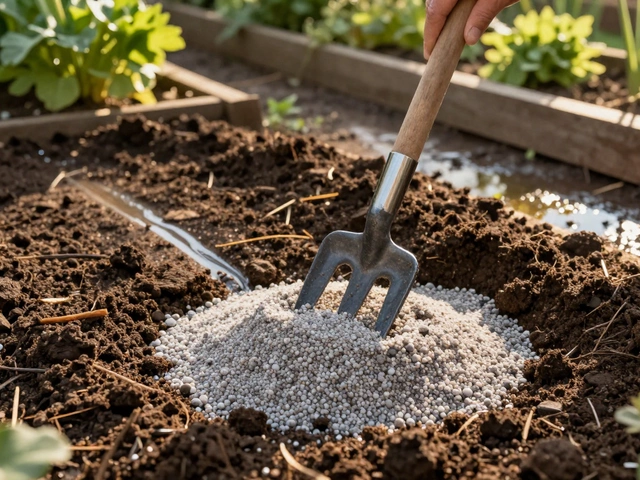
People think you need tools or training to fix soil, but most of the work happens without any machinery. A simple fork to aerate, a layer of mulch to protect, and a few inches of compost to feed—those are your real tools. Garden soil health, the overall condition of soil that supports strong root growth, good drainage, and nutrient availability isn’t about pH tests or lab reports. It’s about how it feels under your fingers. Does it crumble? Does it smell earthy? Does water soak in instead of running off? If yes, you’re on the right track. If it’s rock-hard or smells sour, it’s time to rematerialize.
What you’ll find in these posts aren’t fancy tricks or expensive gadgets. They’re real fixes from gardeners who’ve been there—people who turned clay bricks into rich earth, revived wilted plants with just compost, and stopped wasting water by fixing the soil first. You’ll see how to test your soil without a kit, how to layer amendments for fastest results, and why adding mulch isn’t just for looks—it’s a survival tactic for soil life. No fluff. No theory. Just what works in Indian gardens, with monsoons, heat, and tight spaces.
Stop treating soil like dirt. It’s a living system—and it’s waiting for you to help it come back to life.
Healthy plants need more than just water and sunlight—they need a balance of minerals in the soil. This article breaks down what causes mineral depletion, signs to watch out for, and hands-on ways you can recharge your garden soil. Find out which amendments actually work and how to use common tools to check on your progress. Dig in for simple, practical tips that anyone can follow—even if you’re just starting with your first backyard patch.