Rice Cooking: How to Grow and Water Rice Like a Pro
When you think of rice cooking, the process of preparing rice for eating, often involving boiling or steaming. Also known as rice preparation, it's the final step in a long journey that begins in flooded fields, not kitchens. Most people never connect the steam rising from their bowl to the muddy paddies where rice actually grows. But if you’re serious about food, soil, or sustainable gardening in India, you need to understand how rice is grown—because how you water it changes everything.
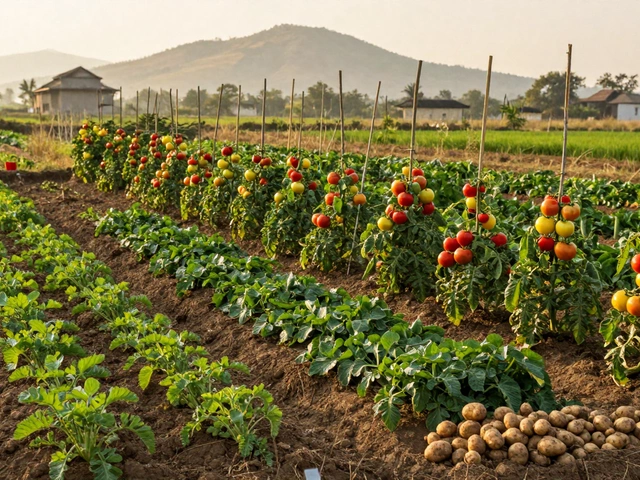
Rice cultivation, the practice of growing rice as a staple crop, often in flooded fields called paddies. Also known as paddy farming, it’s not just about planting seeds. It’s about controlling water like a scientist. In India, where over 40% of farmland grows rice, farmers don’t just water rice—they drown it, then let it dry, then flood it again. This isn’t random. Rice needs standing water during its early growth to kill weeds and keep roots cool. But too much water later on? That’s when roots rot and yields crash. That’s why drip irrigation, which works great for tomatoes or chillies, fails miserably for rice. You can’t drip-feed rice like a bonsai. It needs a different kind of patience.
Water needs for rice, the specific quantity and timing of water required at each growth stage. Also known as paddy water management, it’s not one-size-fits-all. Seedlings need shallow water—just 2 to 5 centimeters. But as the plant grows, it thrives under 10 to 15 centimeters. Then, as it heads toward harvest, you drain the field to let the soil harden. This isn’t just tradition. It’s science. Studies from the Indian Agricultural Research Institute show that farmers who follow this cycle get up to 30% higher yields than those who keep water running nonstop. And here’s the kicker: if you’re trying to grow rice in a pot on your balcony, you’re fighting an uphill battle. Rice isn’t a container plant. It needs space, heat, and a lot of water—more than most urban gardens can handle.
That’s why the posts below don’t talk about rice cooking in the kitchen. They talk about what happens before the pot even hits the stove. You’ll find guides on fixing compacted soil for better root growth, how to use mulch to hold moisture without drowning plants, and why rainwater harvesting works better than tap water for crops like rice. You’ll see how to spot overwatering in other plants—because the same mistakes people make with bonsai or orchids, they also make with rice. And you’ll learn why neem oil, while great for pests, won’t help if your water schedule is wrong.
There’s no magic trick to growing rice. No gadget, no spray, no fancy fertilizer. Just timing. Just water. Just soil. And if you’ve ever wondered why your homegrown rice turns out weak or stunted, the answer isn’t in the seed. It’s in the field. The posts ahead will show you how real farmers do it—and how you can adapt those lessons, even if you’re growing just a few plants.
Mastering the art of cooking rice can be tricky for many, but the 5 5 5 rule offers a simple, foolproof method. This rule ensures perfectly cooked rice by controlling cooking time, heat, and resting stage. Dive into practical tips and interesting facts about rice cultivation and preparation, enhancing your skills in the kitchen. Whether a novice or seasoned cook, this guide will help you make the most of your rice dishes.
Continue reading...