Rice Cultivation in India: Best Practices, Tools, and Tips for Healthy Yields
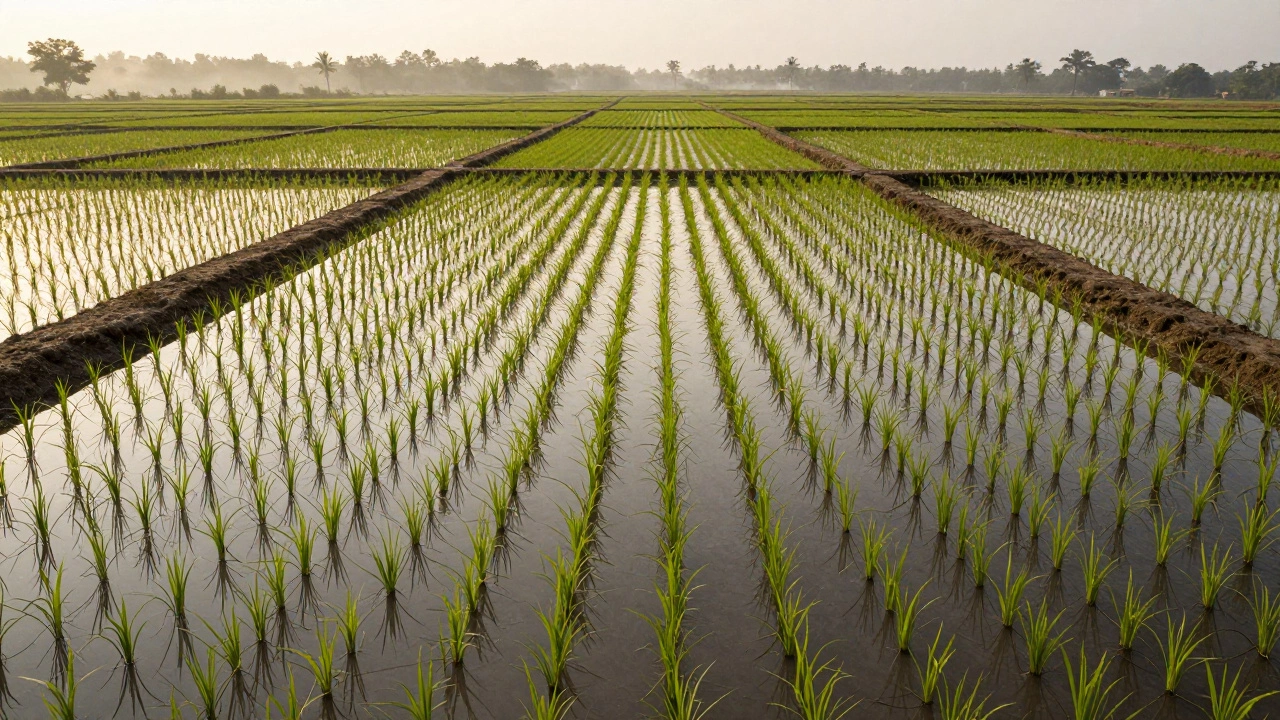
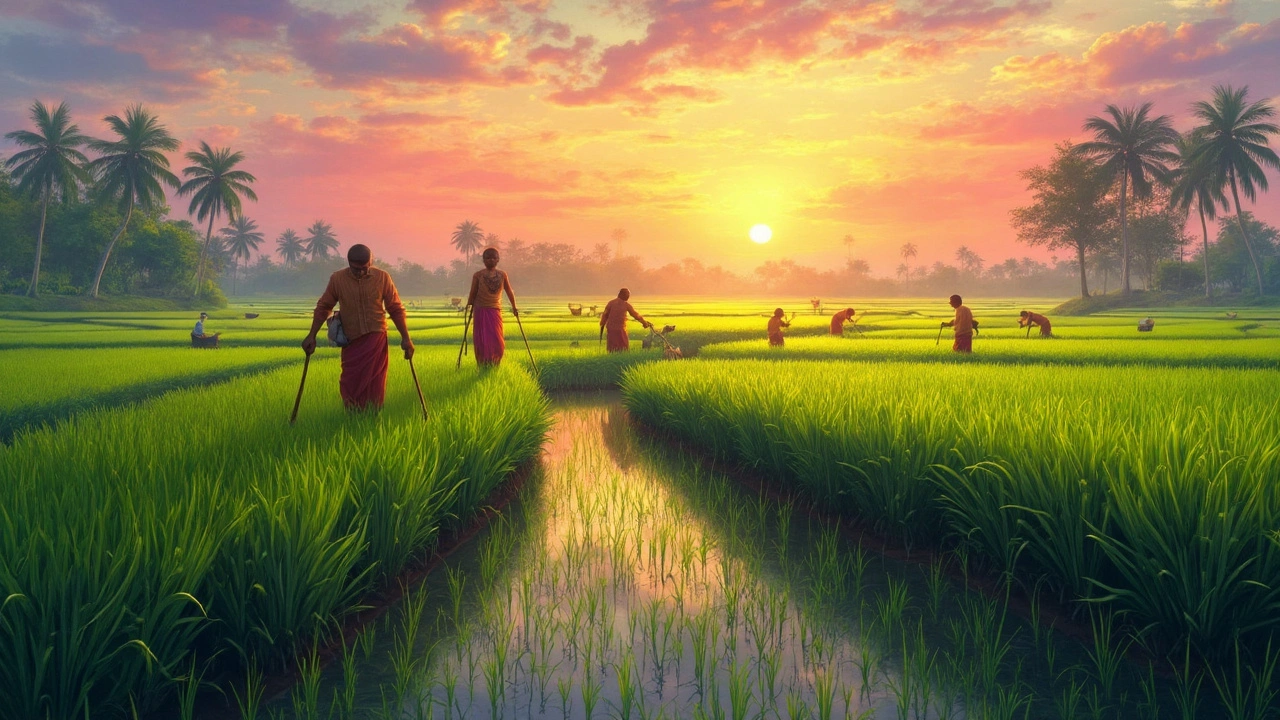
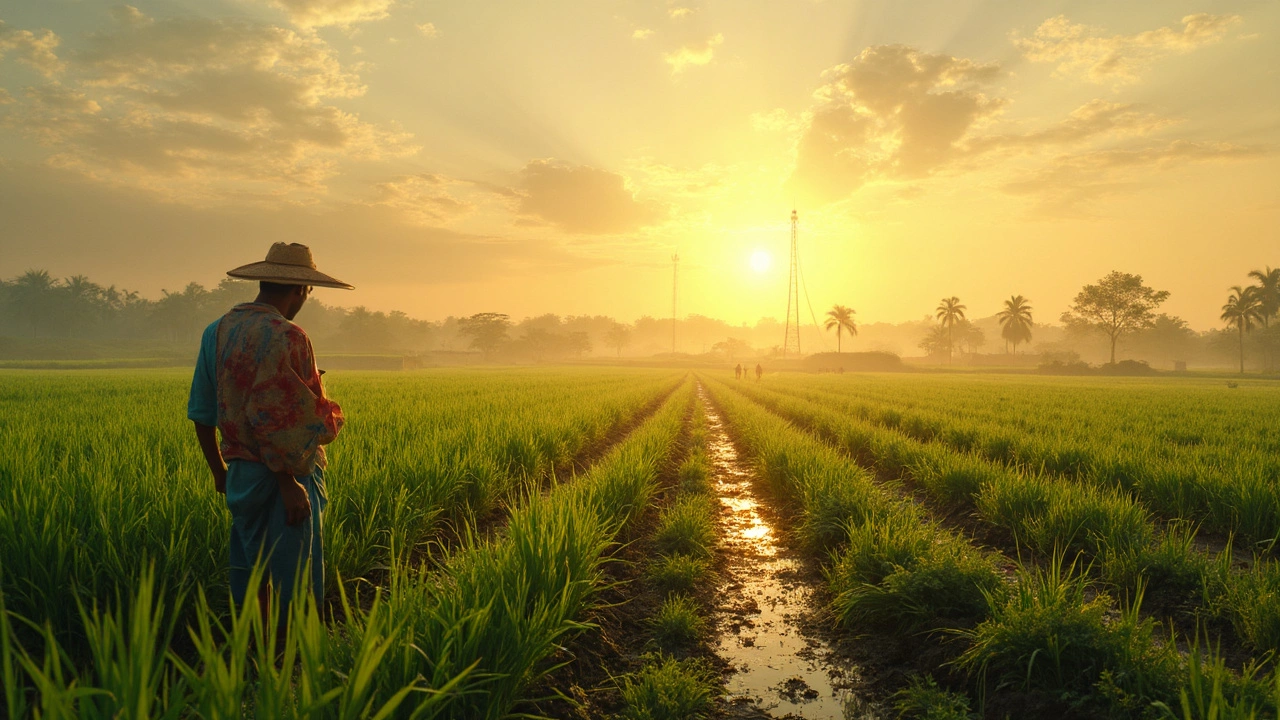
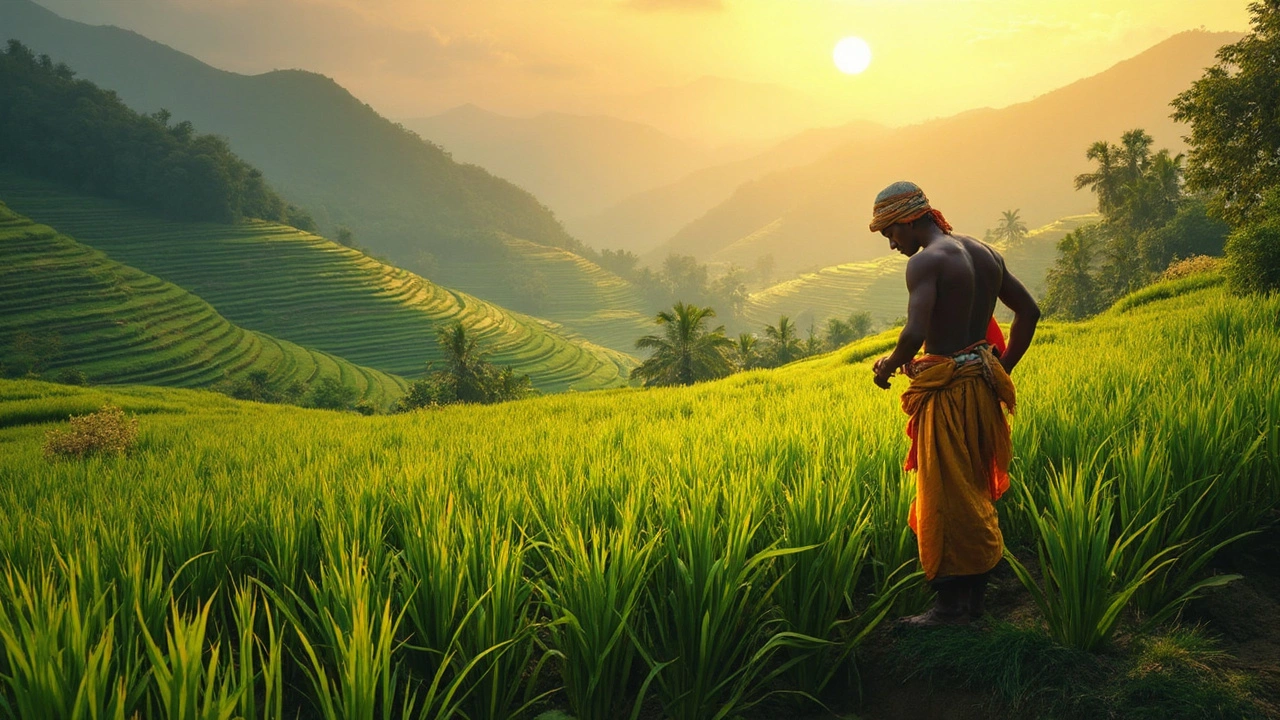
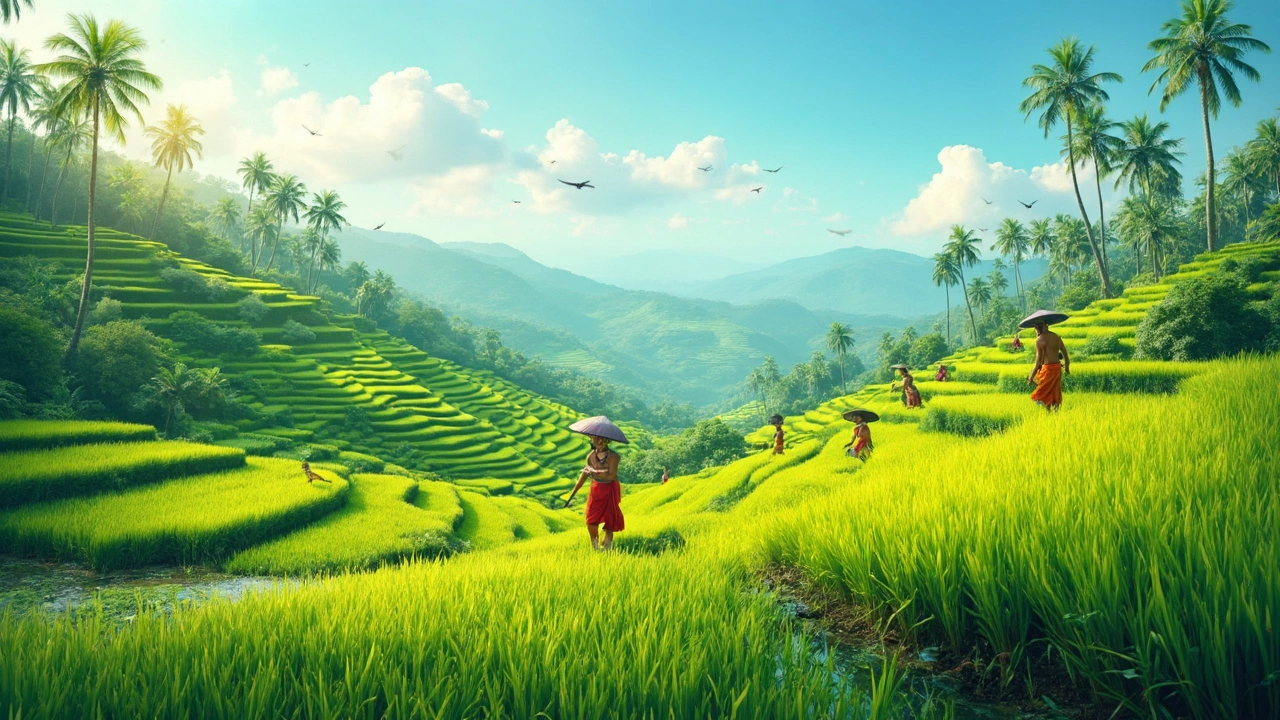
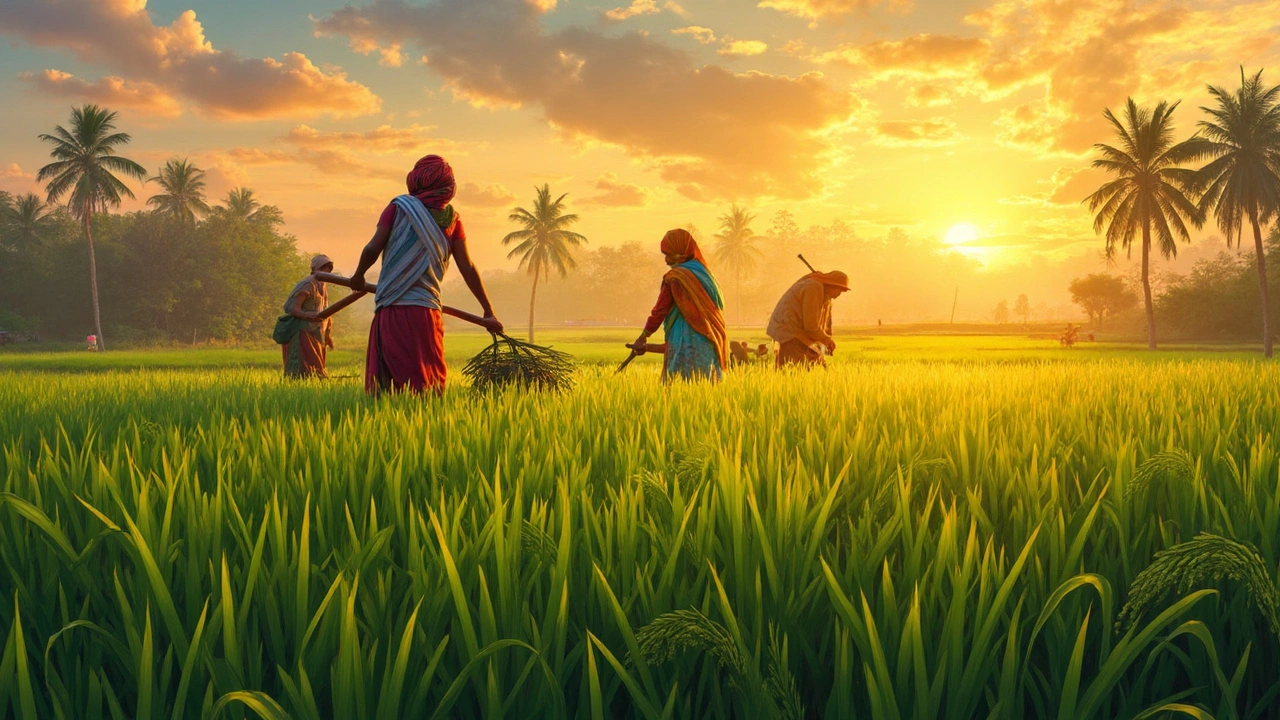
When you think of rice cultivation, the process of growing rice as a staple crop, especially in India’s wet and dry seasonal zones. Also known as paddy farming, it’s not just about planting seeds—it’s about managing water, soil, and pests in a way that works with India’s climate, not against it. Most farmers assume rice needs constant flooding, but that’s outdated thinking. In many parts of India, especially where water is scarce, smart irrigation and soil prep make the difference between a good harvest and a lost season.
Drip irrigation, a targeted watering system that delivers water directly to plant roots is changing how rice is grown. It’s not just for tomatoes or herbs—research from Indian agricultural centers shows drip systems can cut water use by 40% in rice fields without hurting yield. And when paired with soil health, the condition of soil that supports plant growth through nutrients, structure, and microbial life, it becomes even more powerful. Compacted, lifeless soil won’t hold water or feed roots, no matter how much you irrigate. That’s why so many posts here focus on fixing hard soil, adding compost, and using mulch to keep the ground alive.
Then there’s the pest problem. Rice fields are magnets for insects, and spraying chemicals isn’t always the answer. Natural insecticide, a plant-based solution that kills pests without harming beneficial insects or the environment like neem oil is widely used by Indian farmers who want to avoid toxic runoff. It’s cheap, effective, and safe for bees and birds—something chemical sprays can’t say. And when you combine that with smart planting schedules and crop rotation, you’re not just growing rice—you’re building a system that lasts.
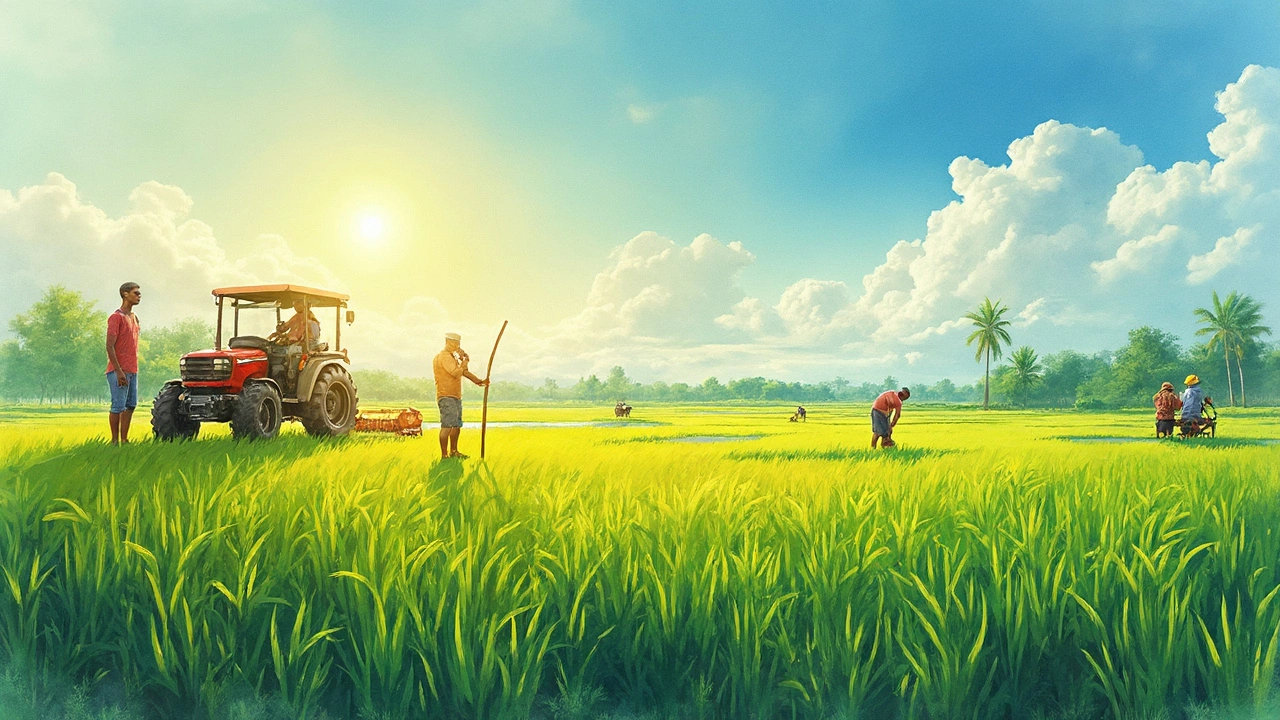
Water efficiency isn’t optional anymore. With monsoons becoming unpredictable and groundwater levels dropping, rice growers who rely on old methods are losing money. The best results come from those who mix tradition with tech—using rainwater harvesting, timing irrigation to weather patterns, and choosing rice varieties that need less water. You don’t need a big farm to make this work. Even small plots in Uttar Pradesh or Tamil Nadu are seeing better harvests by paying attention to how much water they use, not just how much they think they need.
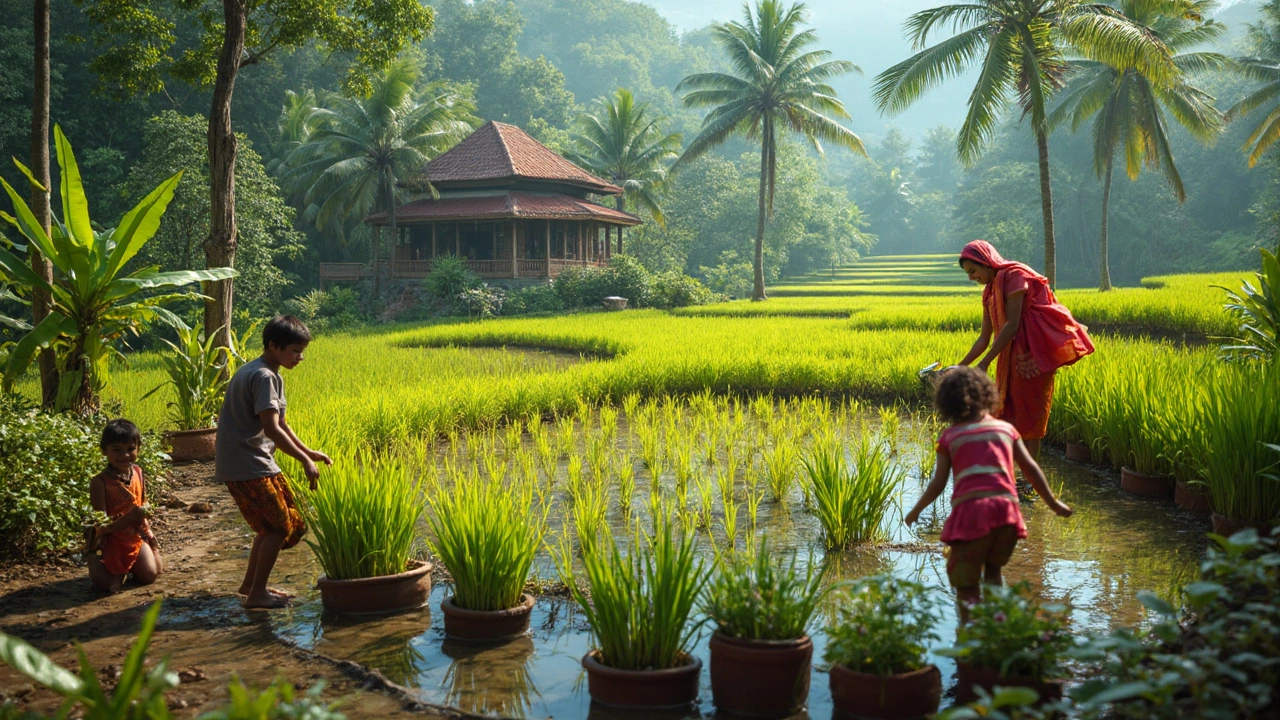
What you’ll find in the posts below isn’t theory—it’s what people are actually doing. From how to adjust drip systems for rice fields to fixing soil that’s been worn out by years of overuse, these are real fixes from real gardens and farms across India. You’ll see how neem oil stops pests before they spread, how soaker hoses can be cheaper than drip lines, and why some farmers are ditching flooding entirely. No fluff. No jargon. Just clear, practical steps you can use whether you’re growing rice on a half-acre plot or a backyard patch.
Discover why rice is one of the hardest crops to grow, from anaerobic soil requirements and intense water management to the grueling process of transplanting.
Growing rice isn’t as simple as tossing some seeds in the mud and waiting for a harvest. There are unique challenges, from figuring out the right water levels to fighting off pesky weeds and unexpected weather. This article breaks down what really makes rice tricky compared to other crops, practical tips to dodge common rookie mistakes, and what modern farmers are doing differently. Get ready for hands-on advice and straight talk, not vague instructions. If you’re curious about starting your own patch of rice or just want to know why it’s such a staple food, you’ll find the answers here.
How much land do you actually need to grow enough rice for one person? This article digs into the numbers, explains how yields vary, and shares tips straight from the paddy. Discover what impacts rice harvests, see real-world examples, and pick up advice for small-scale rice growing. It's a must-read for folks curious about growing their own food or just geeking out about where their dinner comes from.
Rice leads as one of the fastest-growing crops globally due to its massive demand and adaptability. Known for its versatility, rice can thrive under various conditions, making it a staple in many cultures. Learning the secrets of its growth involves understanding climate needs, soil management, and water control. Whether you're a large-scale farmer or an aspiring backyard grower, mastering rice cultivation can lead to bountiful yields. This guide helps uncover the techniques for growing rice efficiently.
Growing rice at home can be a rewarding experience but comes with challenges and benefits. This article explores whether home-grown rice is a viable option by delving into factors like space, resources, and time needed. Learn the step-by-step process and what to expect regarding yield and taste. Discover interesting tips for beginners and potential pitfalls to avoid. Find out if it's worth it for you.
Rice farming can be a lucrative venture, but understanding its profitability involves examining the costs, market trends, and regional differences. This article explores the basic expenses involved, the role of technology, and how local climates impact productivity. Readers will discover tips for boosting yields and maximizing profits. With practical tips and surprising insights, navigate the complexities of rice farming profitability with confidence.
Rice cultivation is a crucial part of agriculture, demanding ideal conditions for a successful harvest. This article explores which U.S. states stand out for growing rice effectively. From climate and soil requirements to practical tips, it highlights what makes these states optimal for rice production.
Growing rice in poor soil might seem impossible, but with the right methods and knowledge, it can be done. This article explores the viability of cultivating rice in less-than-ideal soil conditions, offering practical tips and insights to help farmers succeed. From choosing the right rice varieties to understanding soil enhancement techniques, readers will gain a comprehensive understanding of how to overcome unfavorable soil challenges. Discover strategies to improve yields and ensure crop success even in challenging environments.
Growing rice successfully starts with choosing the right kind of land. Rice needs environments with the right water management, soil type, and temperatures. Understanding these key factors can make or break a successful rice yield. Learn about the best conditions for rice farming, including topography, climate, and soil properties. This guide provides practical tips and interesting facts to help growers optimize their rice production.
Rice, often referred to as the 'poor man's crop,' plays a crucial role in global agriculture due to its adaptability and nutritional value. Known for its low cultivation cost and ability to thrive in diverse environments, rice provides sustenance to millions worldwide. This article explores the reasons behind rice's reputation, fascinating facts about its cultivation, and practical farming tips for those interested in this versatile grain.
Curious about how much rice a single plant produces? Explore the world of rice cultivation to understand the yield per plant, influenced by factors like species, climate, and farming techniques. Discover intriguing facts about rice farming and get practical tips for boosting production. Learn how effective cultivation practices and knowledge can lead to a bountiful harvest.