Rice Facts: What You Need to Know About India’s Staple Crop
When we talk about rice, a staple cereal grain that feeds over half the world’s population, especially in Asia. Also known as paddy, it’s not just food—it’s culture, economy, and survival rolled into one grain. In India, rice isn’t just grown; it’s woven into daily life. From the flooded fields of West Bengal to the terraced hills of Assam, rice shapes how people live, eat, and work. It’s the backbone of meals, the centerpiece of festivals, and the main crop for millions of small farmers.
Not all rice is the same. rice varieties, different types of rice bred for climate, taste, and yield. Also known as rice strains, it includes fragrant basmati, sticky idli rice, and hardy hybrid varieties—each suited to specific regions and uses. Basmati, for example, grows best in the northern plains and commands premium prices because of its aroma and long grains. Meanwhile, local landraces like Sona Masuri or Black Rice are making a comeback for their nutrition and resilience. These aren’t just labels—they affect how much water you need, how long the crop takes, and even how your body responds to it.
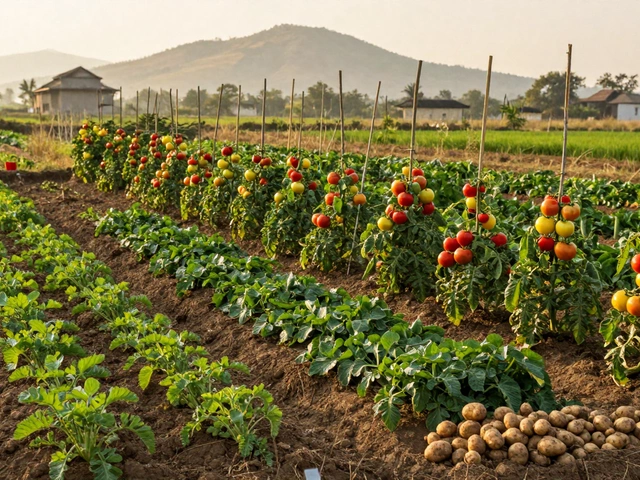
rice cultivation in India, the process of growing rice under varying monsoon patterns, soil types, and irrigation methods. Also known as paddy farming, it relies heavily on water, timing, and traditional knowledge. Many farmers still depend on rain-fed fields, making them vulnerable to erratic monsoons. Others use drip systems or alternate wetting and drying techniques to save water without losing yield. You won’t find a single guide that works everywhere—what works in Tamil Nadu might fail in Punjab. That’s why understanding local conditions matters more than copying a YouTube tutorial.
Rice isn’t just about yield. rice nutrition, the vitamins, minerals, and energy content found in different rice types. Also known as grain nutritional value, it varies wildly between white, brown, and fortified rice. White rice is stripped of fiber and B vitamins during milling, while brown rice keeps the bran—giving you more magnesium, iron, and antioxidants. Many Indian households still prefer white rice for texture and tradition, but awareness is growing. Some government programs now promote iron-fortified rice to fight anemia, especially in children and women.
Behind every grain of rice is a story of water use, labor, and climate pressure. Rice farming uses nearly 30% of India’s freshwater—more than any other crop. With droughts and rising temperatures, farmers are forced to adapt. Newer biotech tools, like drought-tolerant seeds and precision irrigation, are starting to appear in small plots. It’s not about replacing tradition—it’s about supporting it with smarter choices.
What you’ll find below aren’t just articles about rice—they’re real stories from Indian gardens and farms. You’ll learn how to grow rice in containers, why some varieties fail in home soil, how to spot nutrient deficiencies, and what natural methods actually work for pest control. No fluff. No theory. Just facts that help you understand why rice is more than just a side dish—and how you can grow it better, even if you only have a balcony.
Five fast, science-backed facts about rice-nutrition, types, safe cooking, and sustainability-plus clear steps, checklists, and a handy table to cook it right.
Rice is a staple that crosses borders, but have you ever wondered which ethnicity consumes it the most? This article delves into the countries and cultures that rely heavily on rice, revealing fascinating insights into global eating habits. Learn about the importance of rice in various diets, the cultural significance it holds, and some useful tips on why it might be beneficial to incorporate it into your meals. We also explore how different regions cultivate this crucial grain and why they can't get enough of it.