Rice Growth: How to Grow Healthy Rice in India’s Climate
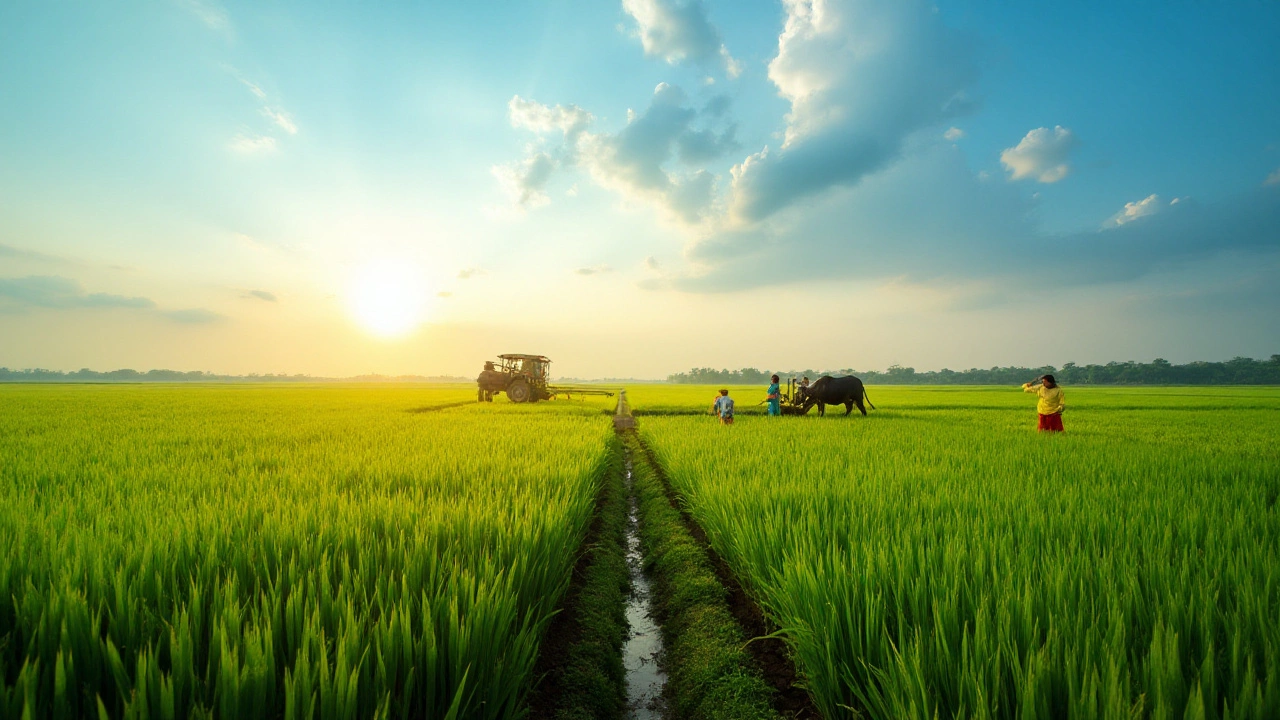
When it comes to rice growth, the process of cultivating rice from seed to harvest, especially in India’s varied climates. Also known as paddy cultivation, it’s not just about planting seeds and waiting—it’s about matching the right variety to your soil, managing water like a pro, and timing everything with the monsoon. India grows over 90% of its rice in regions with heavy rains, but even there, most farmers lose yield because they treat rice like any other crop. The truth? Rice needs more than water—it needs the right kind of water, at the right time, in the right way.
Soil for rice, the type of earth that supports healthy paddy roots and nutrient uptake matters more than you think. Clay-rich, water-retentive soils are ideal, but if your soil drains too fast or is too sandy, rice will struggle even with daily flooding. You can fix this with organic matter, raised beds, or even controlled flooding techniques. And don’t assume all rice needs constant submersion—some modern varieties, like SRI (System of Rice Intensification), thrive with less water and better aeration. This isn’t theory; it’s what farmers in Punjab and Andhra Pradesh are using to cut water use by 30% and boost yields.
Water management rice, the strategy of applying water efficiently during different growth stages is where most home gardeners and small farms fail. You don’t need to flood your plot every day. Rice has phases: germination needs wet soil, tillering needs shallow water, and flowering needs controlled moisture. Too much water after heading? That’s how you get root rot and fungal diseases. Too little during early growth? Your plants just stop growing. The best growers check soil moisture with their hands, not a timer. They let the top inch dry slightly between waterings, then re-flood just enough to keep roots happy.
Climate plays a big role too. In southern India, rice grows during the monsoon. In the north, it’s often a kharif crop planted with the first rains. But with unpredictable weather, more people are experimenting with drought-tolerant strains like Sahbhagi Dhan or Swarna Sub1. These aren’t just for big farms—they work in backyard plots, terrace gardens, and even large containers if you’re clever with drainage.
What you’ll find in the posts below isn’t just theory. It’s real fixes from people who’ve tried everything: drip systems that waste water, overwatered rice that turned yellow, compacted soil that choked roots, and how to fix it all without spending a fortune. You’ll learn what actually works in Indian conditions—not what’s written in old manuals. Whether you’re growing rice on a small plot, trying to save water, or just want to understand why your last crop failed, the answers are here.
Rice is a staple food for billions and one of the most widely grown crops globally. For those interested in rice farming, understanding whether rice plants come back annually is crucial for planning. This article explores the life cycle of rice plants and provides valuable insights into their cultivation process. It discusses factors influencing rice growth, tips for healthy crops, and examines current agricultural practices.