Rice Nutrition: What You Need to Know About Calories, Vitamins, and Health Benefits
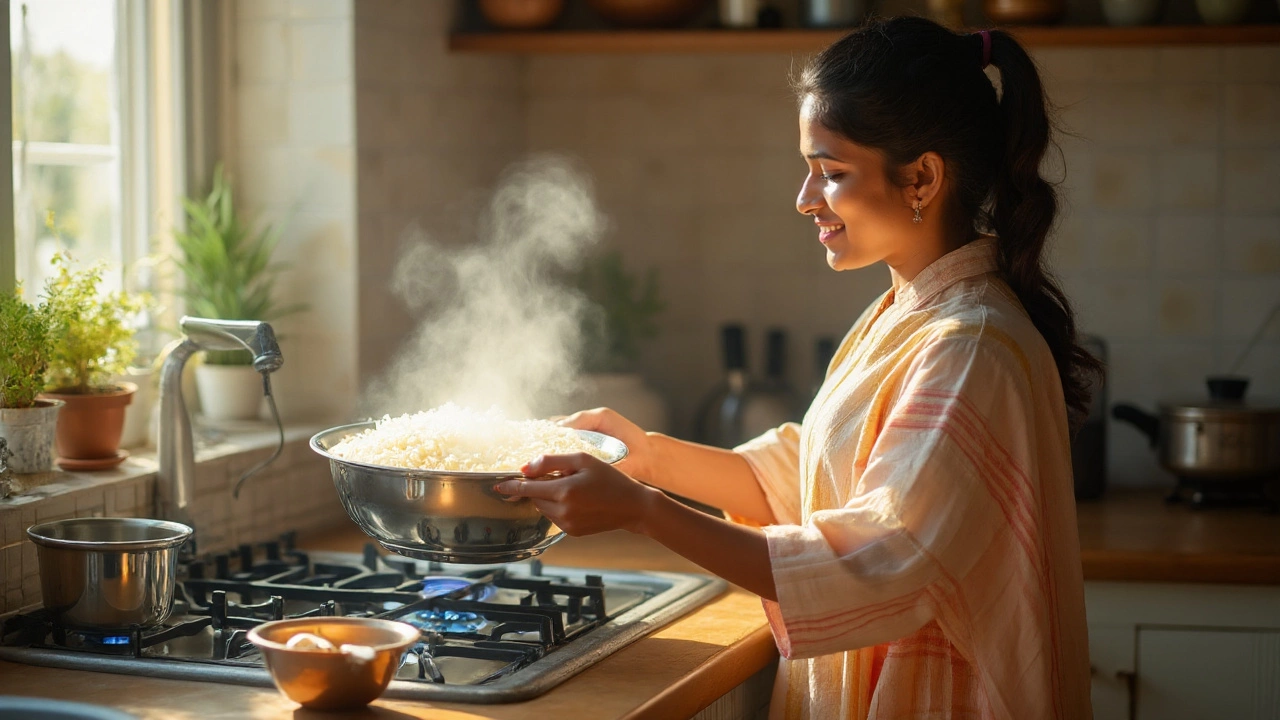
When we talk about rice nutrition, the essential nutrient profile of rice that impacts energy levels, digestion, and long-term health. Also known as paddy nutrition, it’s the foundation of meals for over half the world’s population, especially in India where rice is eaten daily in homes, schools, and street stalls. But not all rice is the same. The difference between white rice and brown rice isn’t just color—it’s a whole shift in what your body gets from every bite.
Brown rice, a whole grain that keeps the bran and germ layers intact after milling. Also known as unpolished rice, it’s packed with fiber, magnesium, and B vitamins that white rice loses during processing. White rice, on the other hand, is stripped down to just the starchy endosperm. That makes it digest faster, spike blood sugar higher, and give you less staying power. If you’re eating rice daily, choosing brown rice means you’re getting rice vitamins, essential micronutrients like thiamine, niacin, and vitamin B6 naturally present in the grain’s outer layers without needing supplements.
Rice calories, the energy content per serving, varies by type and cooking method. One cup of cooked white rice has about 200 calories, while brown rice runs slightly higher at 215—but it fills you up longer thanks to its fiber. In India’s hot climate, where people work outdoors and need steady energy, rice isn’t just comfort food—it’s fuel. But if you’re watching your weight or managing diabetes, understanding rice calories and glycemic load matters more than ever.
Here’s what most people miss: rice isn’t just carbs. It’s a carrier for minerals like selenium and manganese, which help your body fight oxidative stress. And when paired with lentils, vegetables, or fermented foods like idli batter, rice becomes part of a complete protein and gut-friendly meal. That’s why traditional Indian meals—rice with dal, curry, and pickle—are nutritionally smarter than they look.
There’s also a cultural side. In southern India, red rice from Kerala or black rice from Manipur aren’t just exotic—they’re nutrient-dense heritage grains with more antioxidants than common white rice. Yet most grocery stores still stock only polished white rice because it’s cheaper and lasts longer. That’s changing. More farmers in Odisha and West Bengal are reviving traditional rice varieties because consumers are asking for better nutrition, not just quantity.
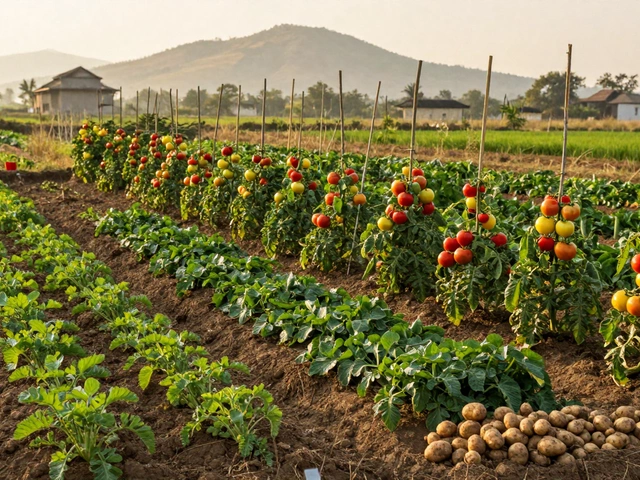
What you’ll find in the posts below isn’t a list of rice recipes or cooking hacks. It’s real talk about how rice fits into modern gardening and food systems. You’ll see how soil health affects rice nutrition, why some rice strains grow better in India’s monsoon climate, and how biotech is helping farmers grow rice with higher protein and lower arsenic. Whether you’re growing rice at home, eating it daily, or just trying to eat smarter, this collection gives you the facts—not the fluff.
Five fast, science-backed facts about rice-nutrition, types, safe cooking, and sustainability-plus clear steps, checklists, and a handy table to cook it right.