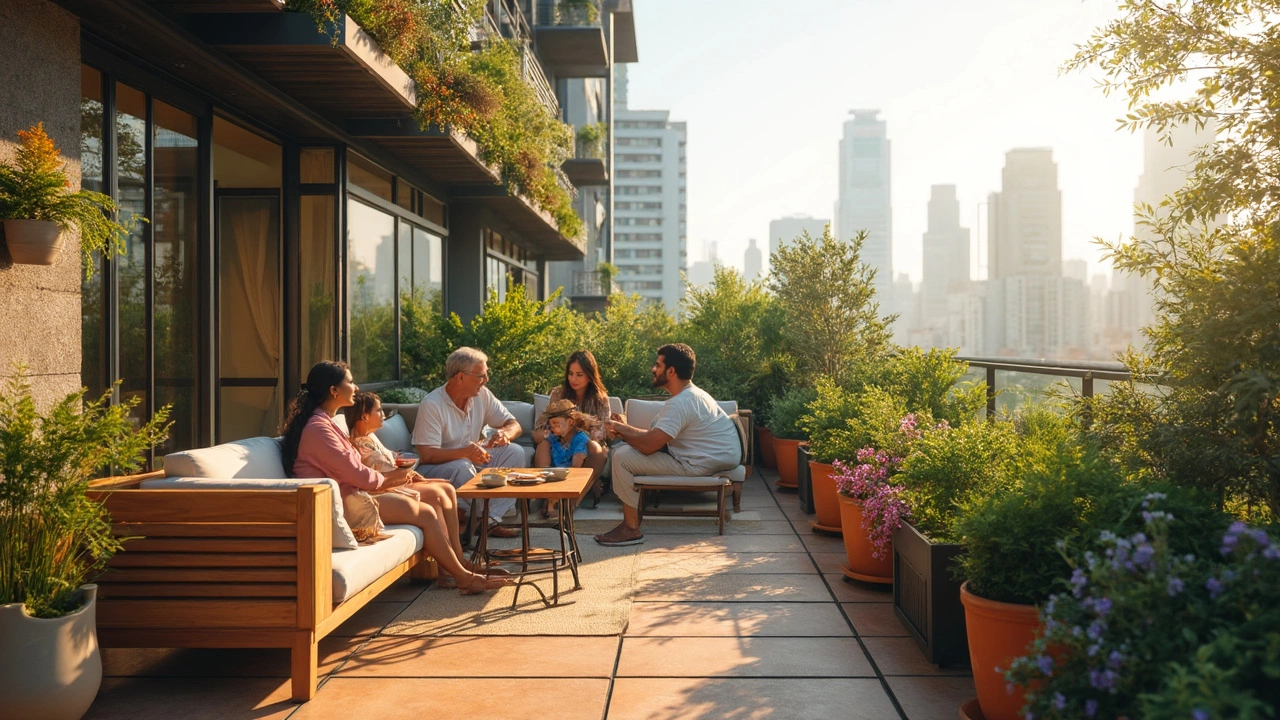
Roof Terrace Gardening: Smart Ways to Grow Plants on Your Flat Roof
When you think of a roof terrace, a flat, open space on top of a building used for growing plants, often in cities where ground space is limited. Also known as a flat roof garden, it’s one of the most practical ways to grow food and flowers in Indian cities where land is tight and air is hot. A roof terrace isn’t just extra space—it’s a chance to turn unused concrete into a living, breathing part of your home. But unlike a backyard garden, it has unique rules: sun hits harder, wind blows stronger, and soil dries out faster. Most people fail because they treat it like a normal garden. It’s not.
You need to think about container gardening, growing plants in pots, planters, or raised beds instead of directly in the ground—because you have no choice. Your roof isn’t soil. It’s concrete. That means every plant lives in a box. Pick the wrong container, and your herbs will burn. Pick the wrong soil, and your veggies will drown. The best roof terrace gardens use lightweight mixes, smart drainage, and plants that don’t need deep roots. Think cherry tomatoes, basil, mint, and succulents—not big trees or deep-rooted perennials.
Water is another big one. drip irrigation, a system that delivers water slowly and directly to plant roots through tubes and emitters saves time and water on a roof terrace. Running it every day? That’s a mistake. Most people overwater because they’re scared of drying out. But a roof terrace dries fast in the sun, so you need to check the soil, not the clock. And don’t forget mulching, covering soil with organic material like straw or coconut coir to hold moisture and block weeds. A thin layer cuts watering needs by half. Rainwater harvesting? Also a game-changer. A simple barrel under your downspout can keep your terrace green through dry months.
And then there’s heat. A roof terrace can hit 50°C in summer. That’s too hot for most plants. Shade sails, trellises with climbing vines, or even repurposed bamboo mats can cut the heat by 10–15°C. Cool your space before you cool your plants. You’ll see the difference in growth, in flower count, in harvests.
What you’ll find below isn’t theory. It’s what works on real roof terraces across India—from Mumbai balconies to Delhi flats. You’ll see how to pick plants that survive the monsoon, how to fix compacted soil in pots, how to use neem oil to stop pests without chemicals, and why some plants like Vanda orchids are too much trouble for most rooftops. You’ll also learn what fits in a 10x10 space, what vegetables grow best in containers, and how to make your terrace look good without spending a fortune.
This isn’t about having a perfect garden. It’s about having a garden that works for you—no matter how small, hot, or windy your roof might be. Let’s get you growing.
Curious about what separates a terrace from a roof terrace? This article covers the main differences between these two popular outdoor spaces, touching on access, structural limits, and gardening hacks. Get insights on how to use each space for gardening, chilling, or hosting friends. Learn why details like drainage and weight matter more for your tomato patch than you might think. Find out which one could work better for your plant-growing plans.
Thinking about what to lay down on your roof terrace? This guide explores which surfaces actually work for gardening and relaxing—not just what looks good on Instagram. Find out what lasts, what stays cool underfoot, and what’s easiest to maintain. Get smart on drainage and safety tips. Make your roof terrace upgrade painless, not a money pit.