Sacred Plant: Sacred Plants in India and How to Grow Them
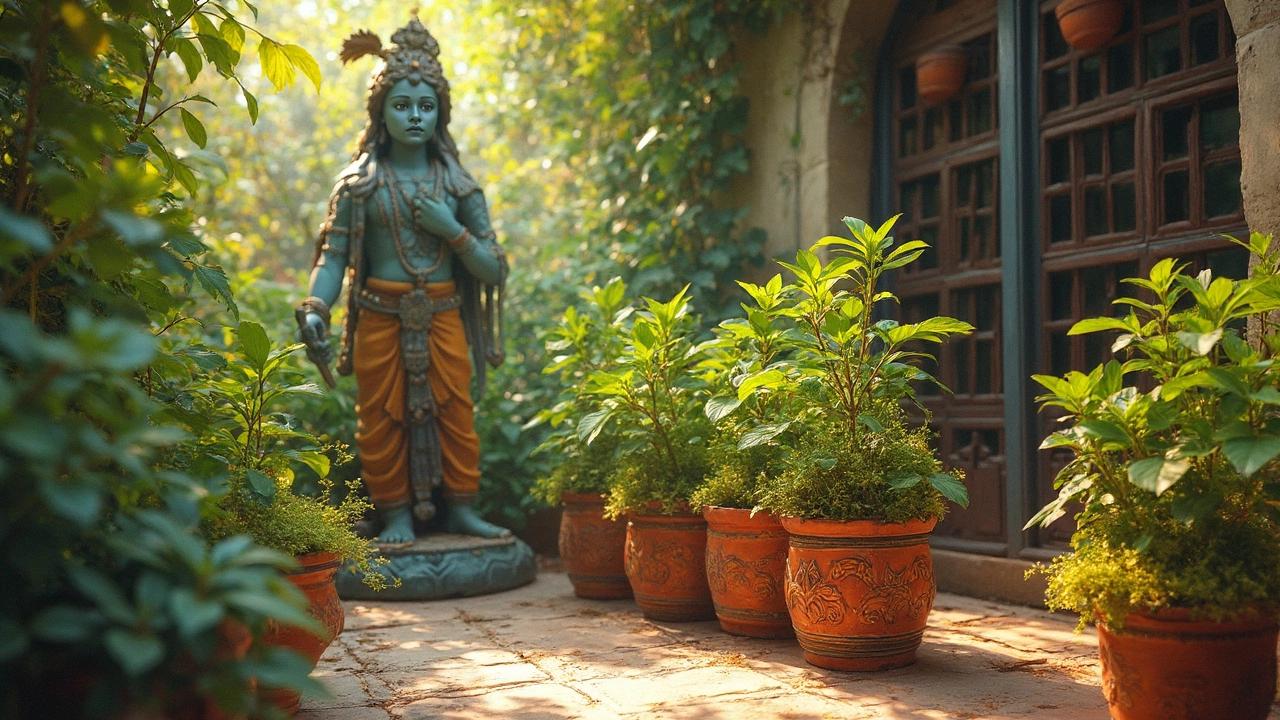
When people talk about sacred plant, a plant revered in religious, cultural, or spiritual traditions. Also known as holy plant, it often holds deep meaning beyond its biological function. In India, sacred plants aren’t just decorations—they’re part of daily rituals, healing practices, and environmental balance. You’ll find them in homes, temples, and village courtyards, not because they’re pretty, but because they’ve been trusted for centuries to purify air, heal wounds, and bring calm.
Take the tulsi, a fragrant herb central to Hindu worship and Ayurvedic medicine. Also known as holy basil, it’s grown in almost every Indian household, often near the entrance to ward off negativity. Then there’s the neem tree, a hardy evergreen used for centuries as a natural pesticide, antiseptic, and spiritual protector. Also known as Indian lilac, its leaves and oil appear in everything from toothpaste to temple offerings. These aren’t just plants—they’re living tools that connect health, faith, and nature.
Why does this matter today? Because modern gardening often ignores the wisdom behind these plants. People buy exotic flowers but forget that the most powerful plants in their own backyard have been used for thousands of years. The Vanda orchid, a rare and demanding plant mentioned in another post as India’s toughest to grow, is prized for its beauty. But the sandalwood tree, an endangered species tied to religious ceremonies and traditional perfumery, is vanishing—not because it’s hard to grow, but because we stopped valuing it enough to protect it.
These sacred plants don’t need fancy equipment. They thrive with simple care: good soil, the right sun, and respect. Tulsi loves morning light and regular watering. Neem trees survive droughts and poor soil. Both repel pests naturally—no chemicals needed. And when you grow them, you’re not just gardening. You’re joining a tradition that’s older than modern farming, older than synthetic fertilizers, older than drip irrigation systems.
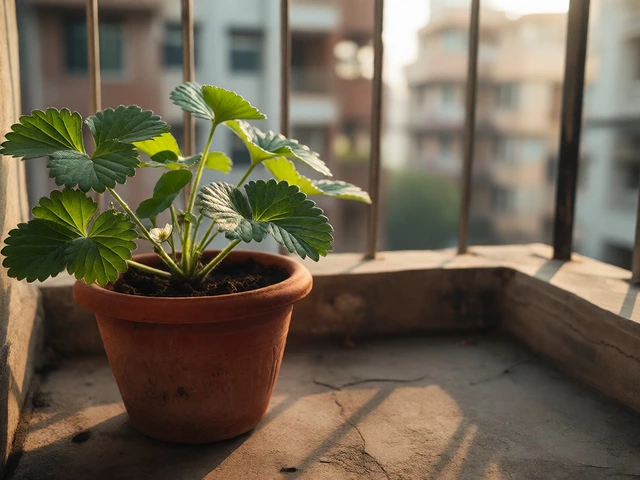
What you’ll find in the posts below isn’t a list of religious symbols. It’s a practical guide to growing plants that actually work—plants that clean the air, keep bugs away, and bring peace to your space. You’ll learn how to grow neem like a pro, why tulsi keeps coming back even after neglect, and how these plants fit into small balconies, terraces, and backyard plots. No mysticism. No fluff. Just real, usable knowledge from people who’ve seen these plants work, season after season, in India’s tough climate.
India, a land rich in culture and tradition, holds the Tulsi plant in high esteem due to its sacred status. Tulsi, also known as Holy Basil, is cherished for both its spiritual significance and medicinal properties. Beyond its religious importance in Indian households and temples, Tulsi offers a variety of health benefits and is used in many traditional remedies. This article delves into Tulsi's role in Indian culture, its beneficial properties, and tips for growing this revered plant in your garden.