Safe Solutions for Gardening: Non-Toxic Ways to Grow Healthier Plants
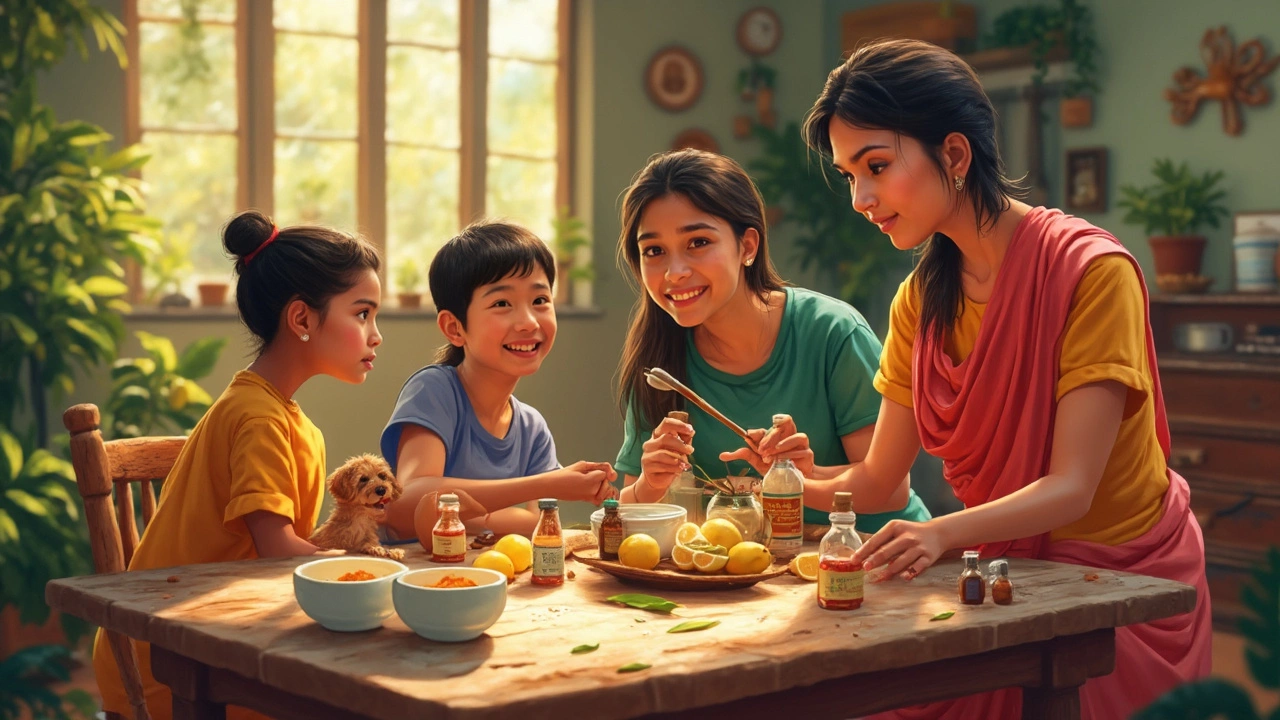
When you look for safe solutions, practical, chemical-free methods to grow plants without harming people, pets, or the environment. Also known as non-toxic gardening, it means choosing ways to feed, water, and protect your plants that don’t leave behind poisons in the soil or air. This isn’t just a trend—it’s what smart gardeners in India are doing every day, especially in cities where balconies, terraces, and small yards are the only spaces left for greenery.
Safe solutions start with what you put on your plants. Instead of synthetic pesticides, many turn to neem oil, a natural insecticide derived from the neem tree, proven to stop aphids, whiteflies, and mites without killing bees or pollinators. It’s cheap, easy to make at home, and works even in hot Indian summers. You’ll also find compacted soil, dense, lifeless dirt that blocks roots and water. Many gardeners think adding fertilizer fixes it—but the real fix is aeration, compost, and mulch. That’s a safe solution too: no chemicals, just biology. And when it comes to watering, running drip irrigation every day? That’s not safe for your plants. Overwatering causes root rot, kills bonsai trees, and wastes water. The best safe solution? Water only when the soil is dry, and use soaker hoses or rainwater harvesting to cut usage even more.
These aren’t isolated tips—they’re all connected. A healthy soil supports plants that resist pests naturally. A smart watering system reduces stress so plants don’t get weak. And using natural insecticides like neem oil means you’re not poisoning the birds, bees, or your own kids who play outside. You don’t need expensive gear or imported products. Most of these safe solutions use things you can find locally: cow dung compost, kitchen scraps, clay pots, and shade cloth. In India, where monsoons bring heavy rain and summers bring scorching heat, these methods aren’t optional—they’re necessary.
Below, you’ll find real guides from gardeners who’ve tried these methods. You’ll learn how to fix soggy bonsai soil, how to build a self-sustaining garden with rain barrels, and why the toughest plant to grow in India—the Vanda orchid—thrives only when you stop forcing it and start working with nature. Every post here is about doing less harm, and getting more results. No fluff. No marketing. Just what works, safely.
Tired of battling bugs around your house? This article breaks down the most practical and proven home remedies to kick out household pests. Discover why pantry staples like vinegar, baking soda, and essential oils do more than add flavor or freshness. Find easy-to-follow tips, plus a few unexpected tricks for dealing with pesky invaders—no harsh chemicals needed. Your home will be less buggy and a lot safer for kids and pets.