Seasonal Plants India: What to Grow When and Why It Matters
When you plant seasonal plants India, plants that naturally align with India’s distinct weather cycles, from scorching summers to monsoon rains and cool winters. Also known as climate-adapted gardening, it means working with nature, not against it. Trying to grow tropical plants in winter or desert-loving species during the rains? That’s where most home gardeners lose time, money, and motivation. The truth? India’s climate isn’t one-size-fits-all. It’s a rhythm—hot, wet, then cool—and the right plants know exactly when to bloom, grow, or rest.
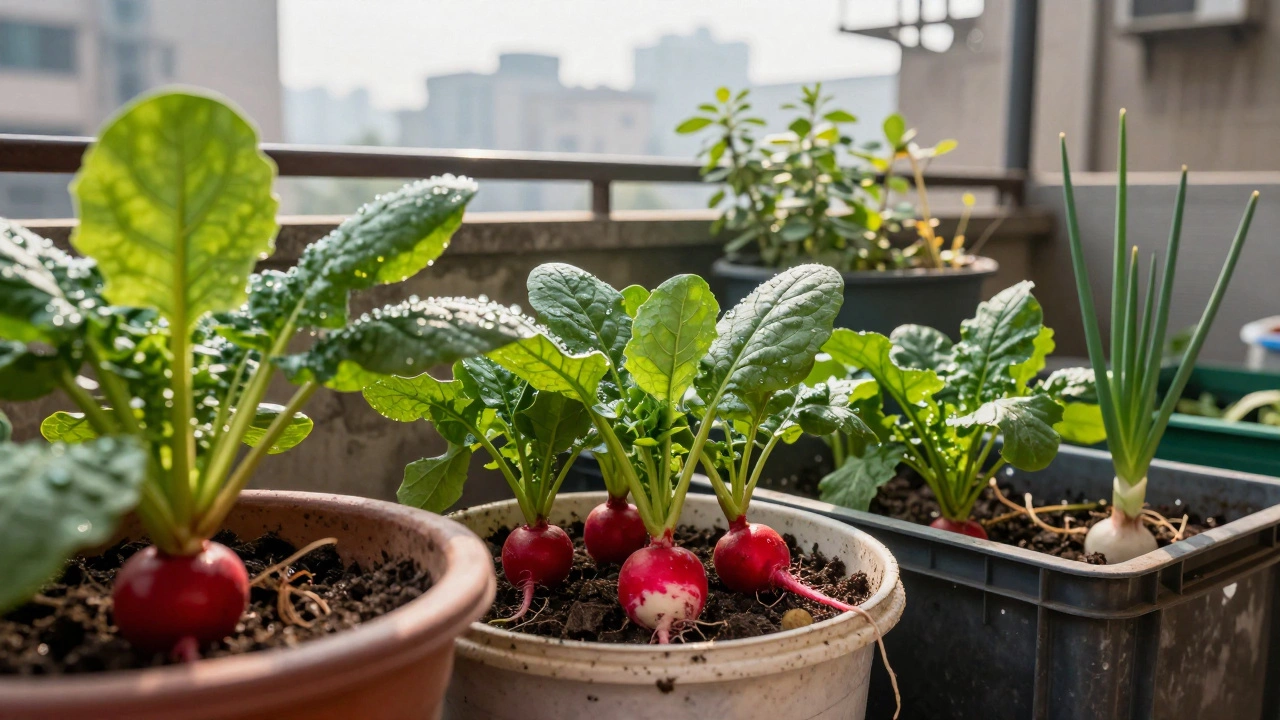
Take monsoon flowers, plants like Mogra jasmine that explode into bloom only when the first rains hit. Also known as rainy season blooms, they don’t need extra watering—they thrive on humidity and damp soil. Then there’s summer vegetables, like bitter gourd, okra, and eggplant, that need heat to fruit and can’t survive frost. And don’t forget winter gardening India, when leafy greens, carrots, and radishes turn your terrace into a fresh produce hub. These aren’t just plants—they’re seasonal tools that help you harvest more with less effort.
Most people think gardening means buying the same pots and seeds year-round. But the real secret? Timing. Planting okra in December won’t give you a single fruit. Sowing spinach in May will just rot in the heat. Your soil, your water use, even your pest problems change with the season. That’s why the best gardeners in India don’t follow generic blogs—they follow the calendar. They know that after the monsoon, the soil is rich and loose, perfect for planting garlic and onions. They know that in January, the sun is low enough to grow lettuce without scorching it. And they know that jasmine blooms only when the air smells like wet earth.
What you’ll find below isn’t a list of random plant names. It’s a collection of real, tested advice from gardeners who’ve seen what works—and what doesn’t—across India’s varied zones. From how to grow durian in southern heat to why compacted soil kills winter crops, these posts cut through the noise. You’ll learn how to use drip irrigation without wasting water, how to fix soil that’s turned to brick, and which plants actually need constant care versus which ones thrive on neglect. No fluff. No theory. Just what to plant, when, and how to make it grow.
Discover the fastest-growing vegetables in India that are ready to harvest in just 30 days. Perfect for kitchen gardens, balconies, and small spaces, these plants give fresh, nutritious food with minimal effort.
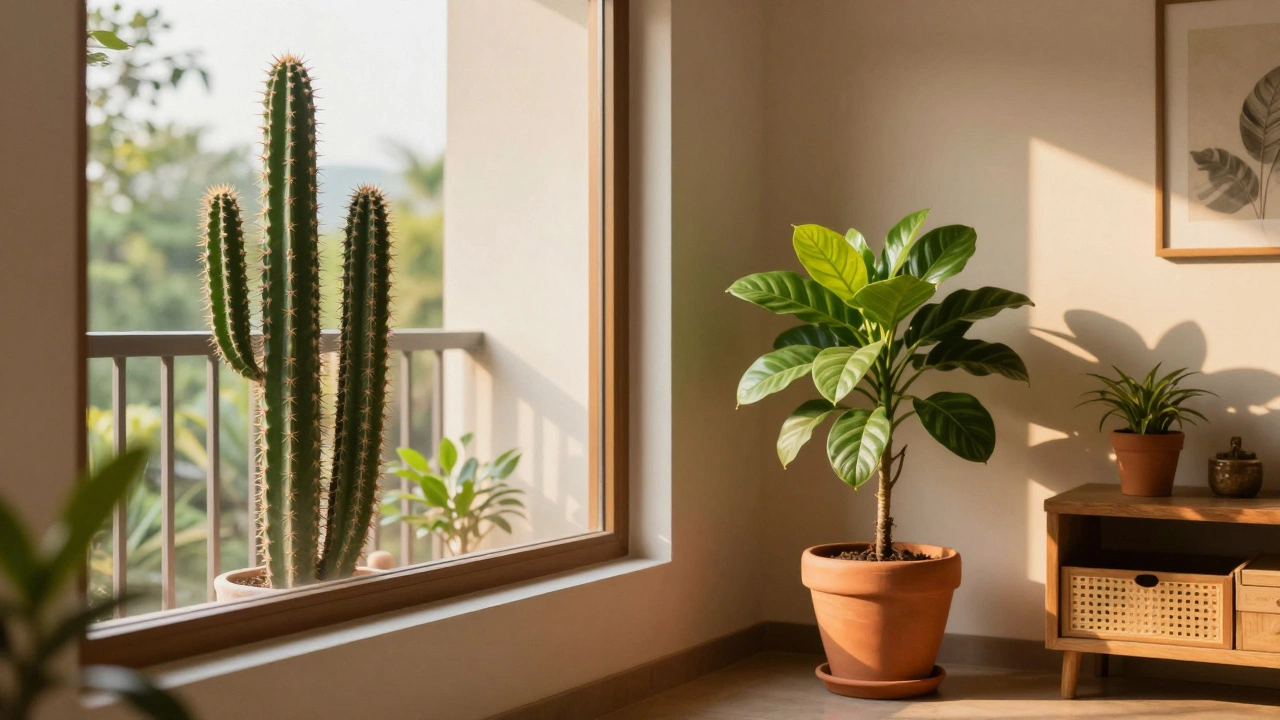
Discover which plants are considered unlucky for Indian homes according to Vastu and cultural traditions. Learn why cactus, tamarind, and white flowers are avoided indoors-and what to grow instead.
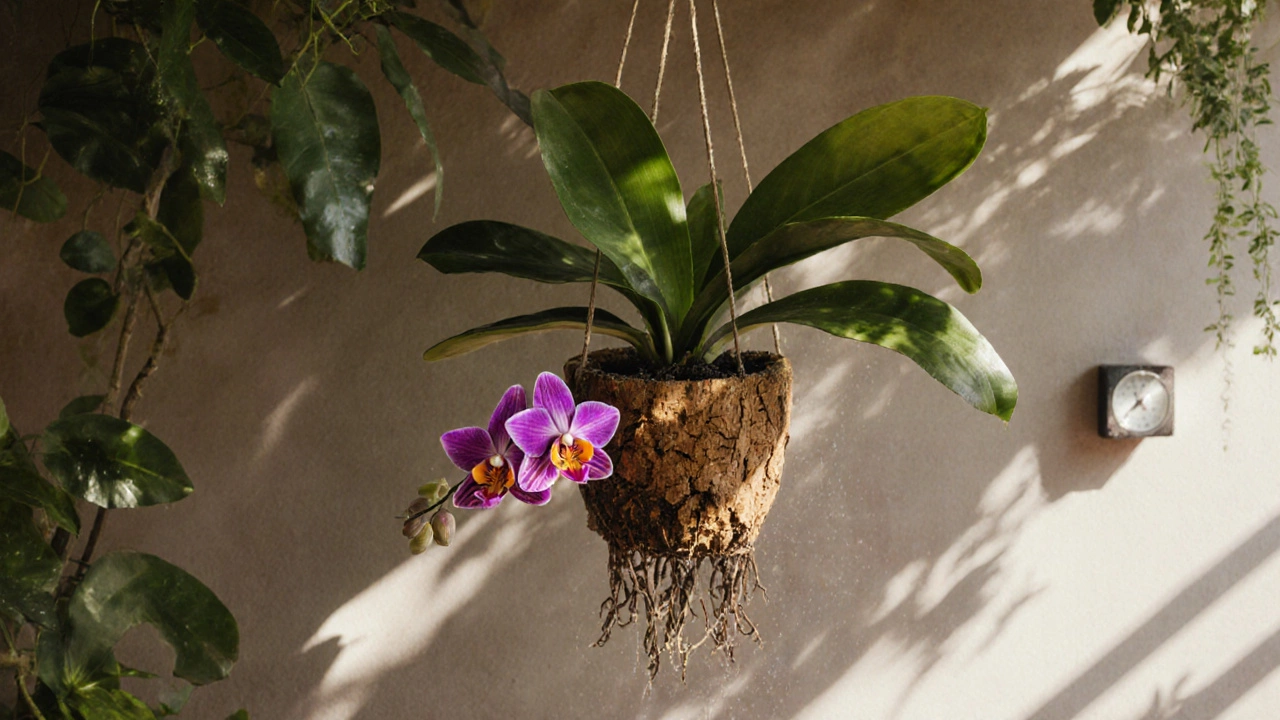
The Vanda orchid is the toughest plant to grow in India due to its exacting needs for humidity, temperature, and airflow. Most gardeners fail because they treat it like a regular houseplant. Here’s what actually works.
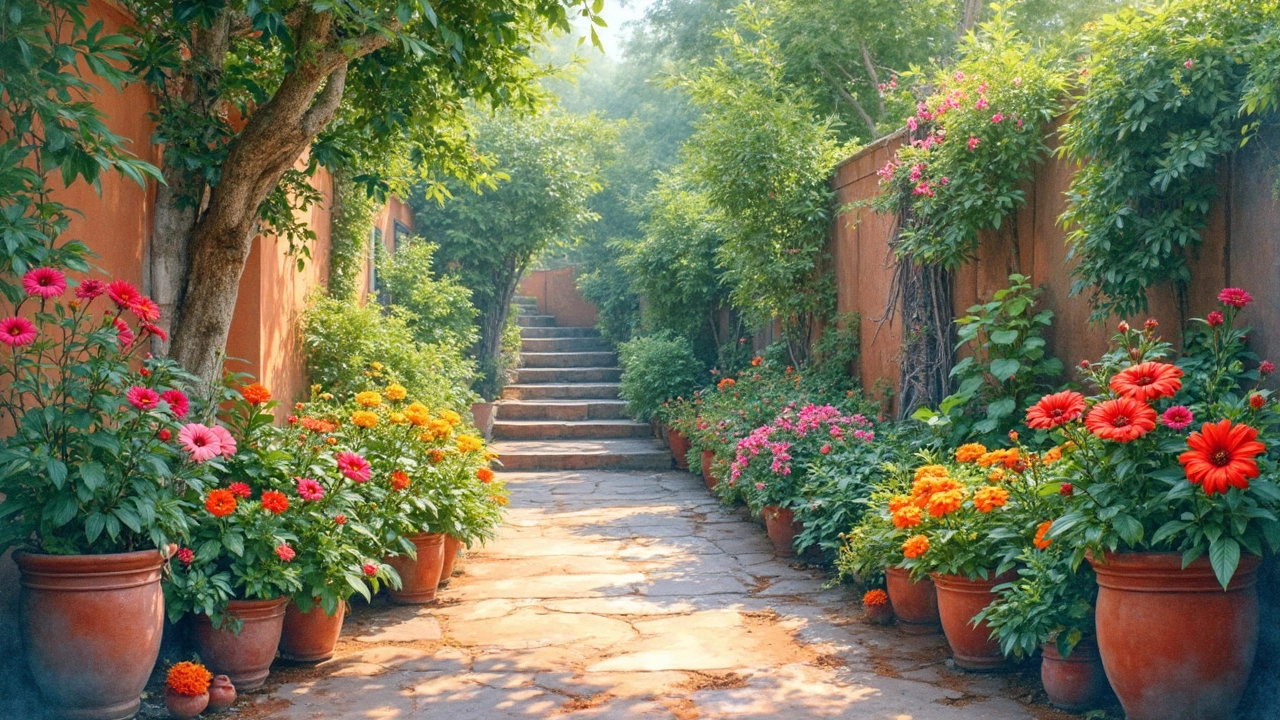
Discover the perennial plants that can enhance your garden with long-lasting blooms in India's diverse climate. This article explores the best options for continuous flowering, providing practical gardening tips and interesting facts about perennials. Whether you're a gardening novice or a seasoned green thumb, find out how to make your garden a year-round delight.
India is home to a diverse range of plants, each with its unique blooming season. Understanding when various flowers bloom can enhance your gardening experience or travel plans. March to May typically marks spring when many flowering plants come to life. The monsoon and winter months also bring their own blooms. Knowing the blooming period can help enthusiasts enjoy India's vibrant flora all year round.
Looking to spruce up your home with some greenery that doesn't take forever to grow? India, with its favorable climate, is perfect for cultivating fast-growing plants indoors. This article explores the best seasonal plants that can quickly brighten up your living space. Get tips on easy-to-care options that flourish in Indian households. Whether you're a seasoned gardener or a newbie, discover the plants that promise both beauty and speed.
The Prince of India plant, dazzling with its unique characteristics, has become a celebrated feature in India's vibrant botanical landscape. This plant, known for its seasonal blooms and hardy nature, holds significant cultural and environmental value. It thrives in India's diverse climate, each bloom telling the story of the country's multifaceted seasons. Lovers of rare flora are often drawn to its remarkable resilience and the aesthetic charm it brings to gardens. Understanding how to cultivate this plant can enhance its growth and allow enthusiasts to fully appreciate its beauty.