Soil Minerals: What Your Plants Really Need to Thrive
When you think about what plants need, you probably picture water, sunlight, and maybe fertilizer. But the real secret? soil minerals, the inorganic elements locked in dirt that feed plant roots and trigger growth. Also known as plant nutrients, these tiny particles are what turn good soil into great soil. Without them, even the best watering schedule won’t save your plants. They’re not magic—they’re chemistry. And if your plants are stunted, yellowing, or dropping leaves, it’s often because your soil is missing one or more of these key players.
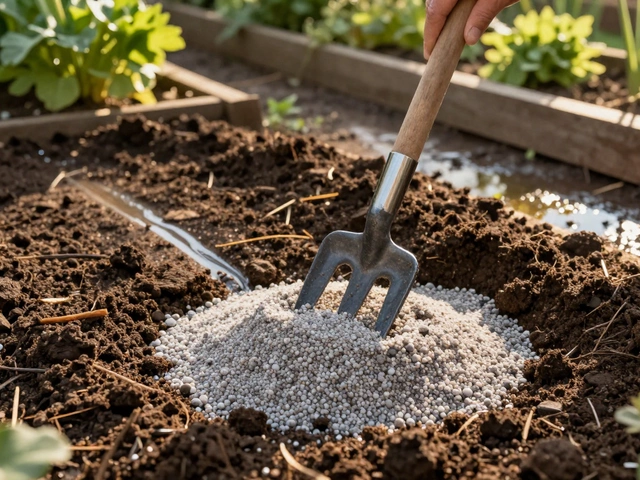
Soil minerals aren’t just one thing. They’re a team. nitrogen, the main driver of leaf growth keeps plants green and bushy. phosphorus, the root builder helps young plants get strong underground. potassium, the stress fighter helps them handle heat, drought, and disease. Then there’s calcium for cell walls, magnesium for chlorophyll, and trace minerals like zinc and iron that do quiet but critical jobs. Most gardeners know to add compost or manure—but those won’t fix a mineral imbalance. You need to know what’s missing.
That’s why fixing compacted soil or revitalizing old garden soil doesn’t always mean adding more organic matter. Sometimes, it means testing for mineral gaps. If your soil is hard and dry, or your veggies look pale even after watering, it’s not just structure—it’s nutrition. A simple soil test can show you if you’re short on potassium or if your pH is locking away iron. And once you know, you can fix it with targeted amendments, not guesswork.
Look at the posts below. You’ll see real fixes for real problems: how to restore tired soil, how to build soil health without chemicals, how to choose the right fertilizer recipes that actually deliver minerals—not just bulk. Some posts talk about drip irrigation and watering schedules, but even the best irrigation won’t help if your soil lacks magnesium. Others cover compost and rainwater harvesting, but those systems only work if the minerals are there to be absorbed. This isn’t about trends. It’s about what’s actually in the dirt under your plants.
Whether you’re growing veggies on a balcony, fighting compacted soil in your backyard, or trying to make your Vanda orchid survive India’s humidity, it all starts with the same thing: healthy soil minerals. The answers aren’t in expensive products or complex systems. They’re in understanding what your soil is missing—and how to give it back.
Healthy plants need more than just water and sunlight—they need a balance of minerals in the soil. This article breaks down what causes mineral depletion, signs to watch out for, and hands-on ways you can recharge your garden soil. Find out which amendments actually work and how to use common tools to check on your progress. Dig in for simple, practical tips that anyone can follow—even if you’re just starting with your first backyard patch.