Soil Rehabilitation: Fix Dead Soil and Bring Your Garden Back to Life
When your plants won’t grow, no matter how much you water or fertilize, the problem isn’t the plants—it’s the soil rehabilitation, the process of restoring degraded or lifeless soil to support healthy plant growth. Also known as soil restoration, it’s what separates thriving gardens from struggling ones. Most people think bad soil just needs more fertilizer. It doesn’t. It needs structure, air, and life.
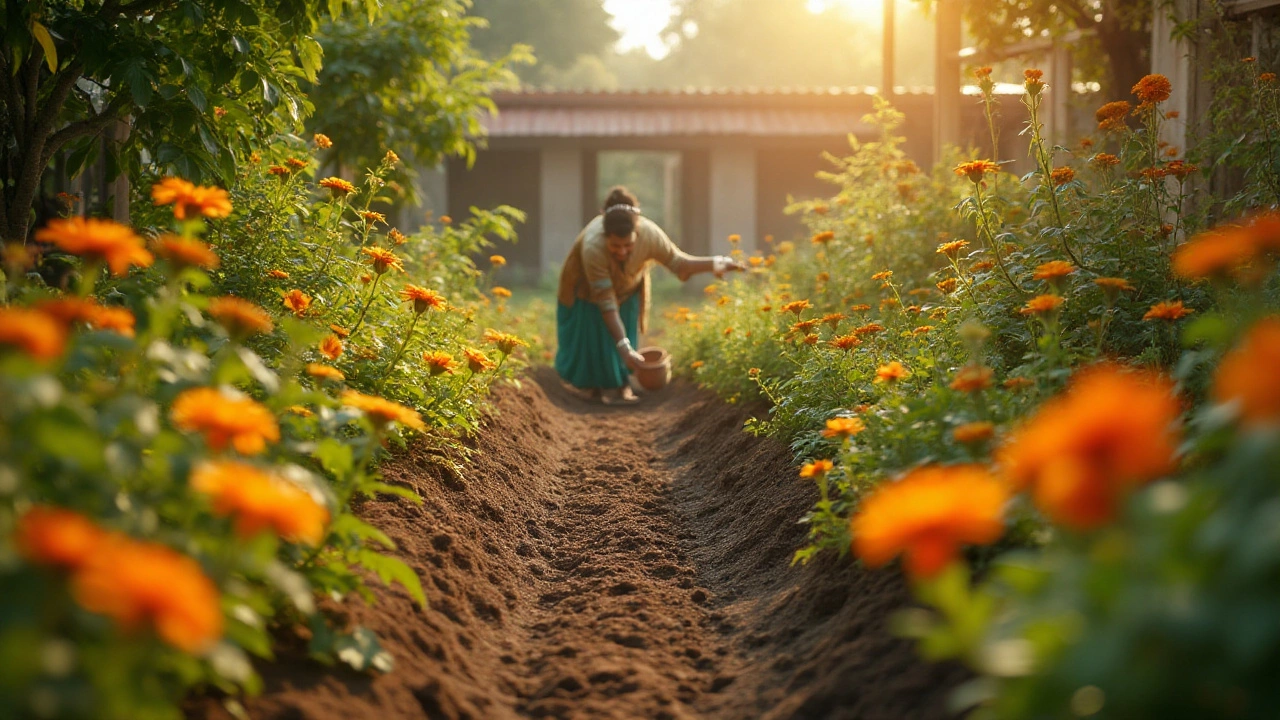
Think of soil like a sponge that’s been crushed underfoot. That’s compacted soil, dense, hard-packed earth that blocks roots, water, and microbes. It’s common in Indian urban gardens, terrace farms, and even backyard plots where people walk on the same patch for years. You can’t grow anything deep-rooted in it—not tomatoes, not herbs, not even weeds. The fix isn’t digging deeper. It’s breaking the crust, adding organic matter, natural material like compost, leaf litter, or cow dung that feeds microbes and opens up soil structure, and letting nature do the rest. This isn’t magic. It’s biology.
Soil rehabilitation isn’t a one-time fix. It’s a rhythm. You aerate, you mulch, you add compost, you let rain and worms do the heavy lifting. The posts below show how real gardeners in India are doing this without expensive tools or chemicals. Some use old sacks filled with kitchen scraps to make compost in small balconies. Others layer leaves and cow dung over hardened ground and wait. One gardener in Pune revived 20 square feet of concrete-covered soil in six months—just by stopping watering and starting mulching. These aren’t experts. They’re people who stopped guessing and started listening to the soil.
What you’ll find here aren’t theory-heavy guides. These are real fixes. How to test if your soil is dead. What to add when you don’t have compost. Why tilling makes things worse. How to tell if your soil is coming back to life. And what to do when rain washes away your hard work. This is soil rehabilitation—not as a product you buy, but as a practice you learn.
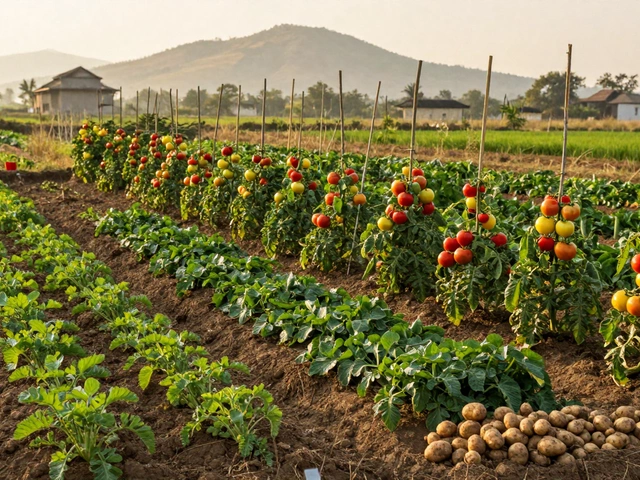
Restoring your garden's soil health is crucial for a flourishing garden. By understanding soil composition, testing nutrient levels, and incorporating organic matter, a gardener can revive depleted beds. Practical techniques such as crop rotation, companion planting, and using green manure help in rejuvenating garden soil. This guide offers insights and tips to bring life back to your garden beds, promoting healthier and more productive plants.