Soil Treatment: Fix Compacted, Nutrient-Poor Soil for Healthier Plants
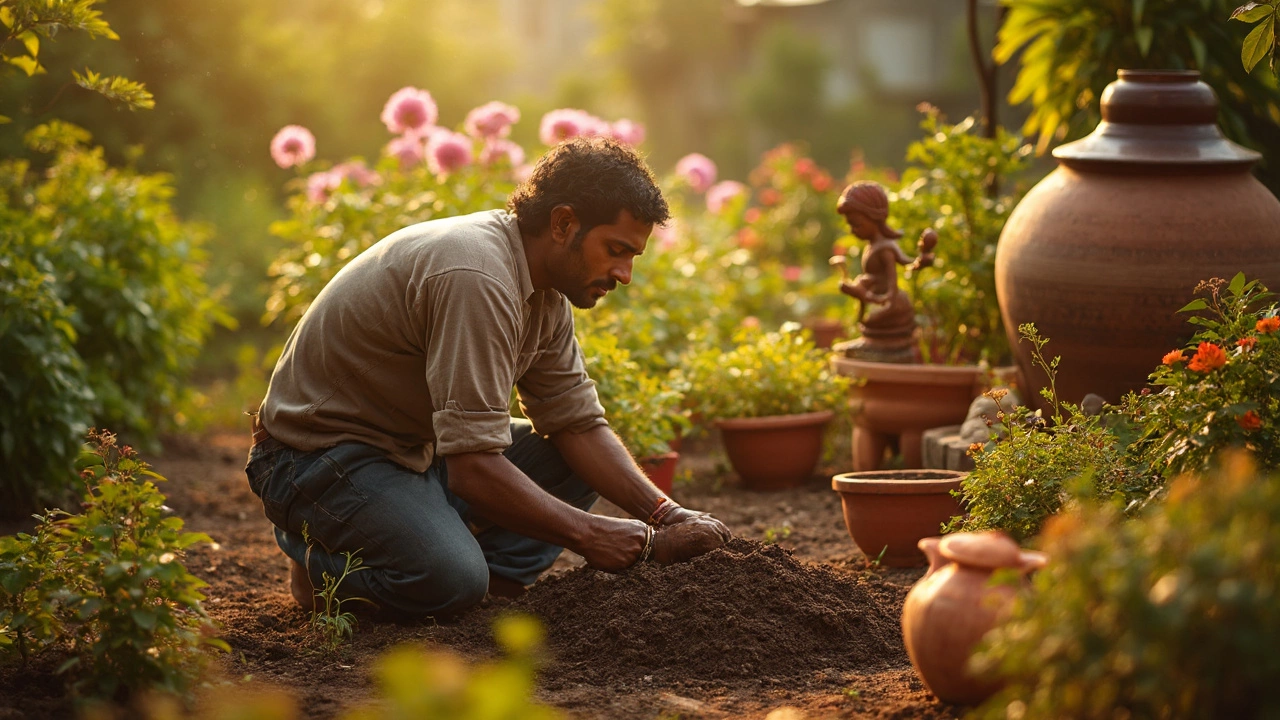
When your plants look tired, droopy, or just won’t grow, the problem isn’t always what’s above ground—it’s what’s soil treatment, the process of restoring garden soil to support healthy root growth and nutrient flow. Also known as soil amendment, it’s not magic. It’s science you can do with a shovel, some compost, and a little patience. Most gardeners skip this step and wonder why their veggies are small or their flowers die. The truth? Bad soil kills more plants than bugs or weather.
Compacted soil, dense, hard-packed earth that blocks water, air, and roots is the silent killer. It’s what happens when you walk on your garden too much, use heavy equipment, or never add organic matter. You can spot it by how water pools on top instead of sinking in, or how roots grow sideways instead of down. And if your soil feels like concrete after rain? You’ve got it. The fix isn’t expensive. It’s garden soil improvement, using natural methods like aeration, mulch, and compost to rebuild soil structure. No chemicals. No fancy machines. Just layering life back into the dirt.
Soil treatment also means fixing pH imbalances, adding missing nutrients, and bringing back microbes that help plants absorb food. It’s not a one-time job. It’s a habit. Think of it like brushing your teeth—you don’t wait until your gums bleed to start. The best gardeners test their soil once a year, add compost in spring and fall, and never let the ground sit bare. Mulch isn’t just for looks—it holds moisture, stops weeds, and slowly turns into food for the soil. And if you’ve got clay that sticks to your boots or sand that drains too fast? You can fix both with the same thing: organic matter.
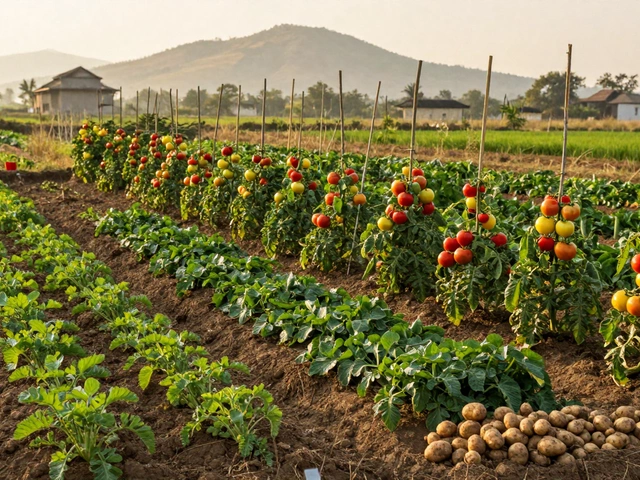
What you’ll find in the posts below isn’t theory. It’s what works. How to loosen hard soil without power tools. Why neem oil isn’t just for bugs—it helps soil too. How to tell if your soil needs compost or lime or just time. You’ll see real fixes for real problems: bonsai trees drowning in soggy dirt, terrace gardens with crusty ground, vegetable beds that haven’t fed themselves in years. This isn’t about buying products. It’s about understanding dirt—and treating it right.
Improving garden soil is crucial for healthy plant growth. The article explores various treatments to boost soil quality, from simple techniques like composting to using natural soil amendments. It offers practical tips suitable for both beginners and experienced gardeners. Discover how to assess your soil type and apply the best methods for a thriving garden. Emphasizing sustainability, these approaches enhance long-term soil health.