Spraying Water on House: Why It Works (and When It Hurts)
When you spray water on your house, you're not just cooling off the walls—you're affecting the whole microclimate around your plants, your indoor temperature, and even your water bill. spraying water on house, the practice of using a fine mist or spray to cool exterior surfaces and nearby plants. Also known as outdoor misting, it’s a low-tech trick used by gardeners in hot climates to lower ambient heat and reduce plant stress. But here’s the catch: most people do it wrong. Spray too hard, too often, or at the wrong time, and you invite mold, rot, and wasted water. Do it right, and you create a cooler, healthier space for your plants and your home.
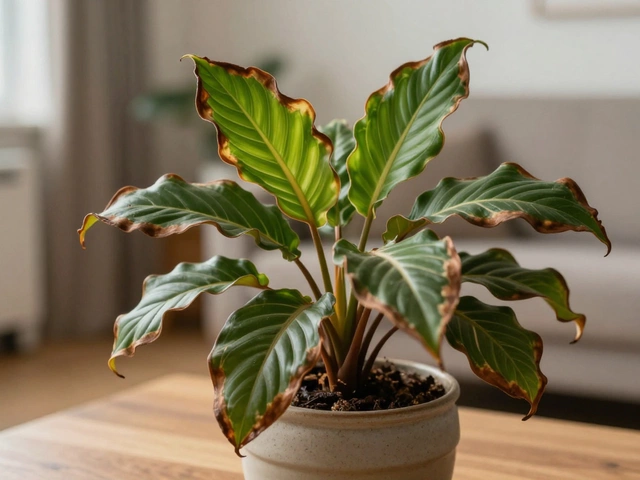
It’s not just about the water hitting your walls. plant hydration, how plants absorb moisture from the air and soil around them plays a big role. In dry, hot weather, misting the air near your balcony plants or terrace garden can boost humidity enough to keep leaves from curling. It’s why jasmine and Vanda orchids—plants that need high moisture—do better when you lightly spray the air around them in the early morning. But spraying directly on leaves all day? That’s a recipe for fungal diseases. And spraying your roof in the evening? You’re just trapping moisture against the surface, inviting algae and peeling paint.
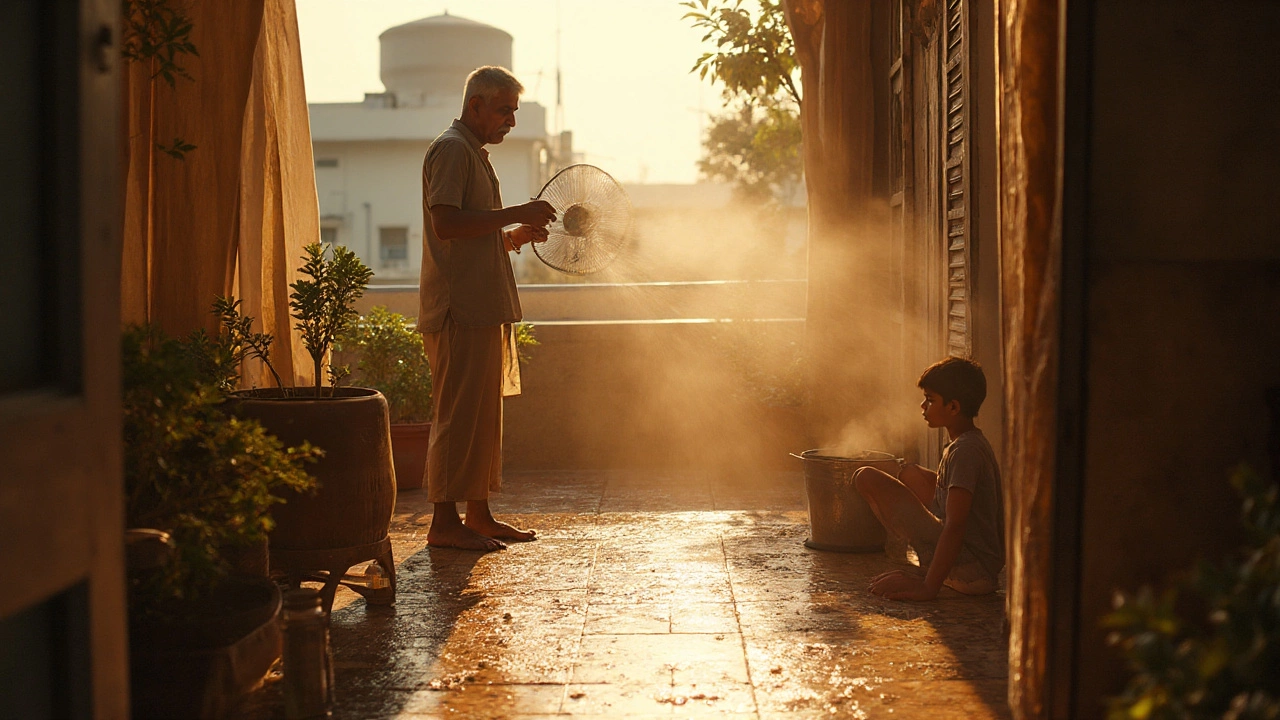
outdoor cooling, using water evaporation to reduce heat in outdoor living spaces is where spraying water on your house really shines. Think of it like a natural AC. When water evaporates off a cool surface—like a shaded wall or a trellis covered in vines—it pulls heat out of the air. That’s why people in Mumbai and Bangalore use misting systems on their balconies. But you don’t need fancy gear. A simple hose with a fine nozzle, used for 10 minutes before the sun hits the hottest side of your house, can drop the temperature by 5–8°F. Pair it with water efficiency, using the least amount of water to achieve the desired effect by timing your spray to early morning or late evening, and you’re not just cooling down—you’re being smart about resources.
Some folks think spraying water is a fix-all. It’s not. If your soil is already soggy, misting won’t help your bonsai or veggies—it’ll hurt them. If your walls are old brick or plaster, constant spray can break them down over time. The key is balance. Use spraying as a targeted tool, not a default habit. Check your soil before you spray. Watch the weather. And never spray in direct sun—it just evaporates before it does anything useful.
Below, you’ll find real-world tips from gardeners who’ve tested what works and what doesn’t. From drip systems that save more water than spraying, to how to cool a hot balcony without wasting a drop, you’ll see how smart water use makes all the difference. No fluff. Just what actually helps your plants, your home, and your wallet.
Yes, water can cool your house a bit-but it’s brief and risky. Learn when it works, how to do it safely, costs, UK restrictions, and smarter ways to stay cool.