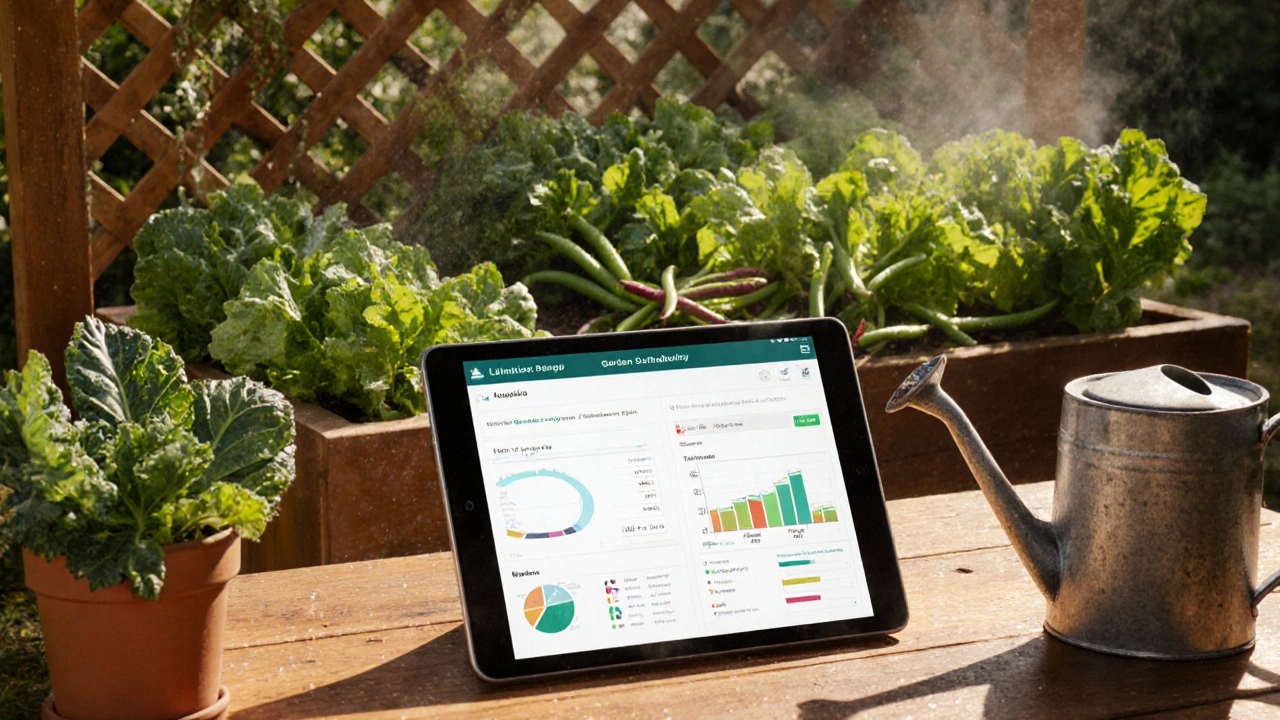
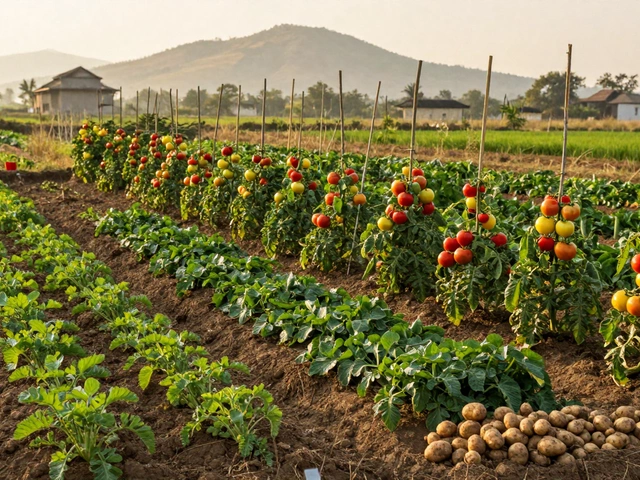
Sustainable Vegetable Gardening: Grow More with Less Waste
When you grow sustainable vegetable, a way of growing food that works with nature instead of against it, using minimal resources and no synthetic inputs. Also known as eco-friendly gardening, it’s not just a trend—it’s how smart gardeners in India are feeding their families while saving water, cutting costs, and healing the soil. This isn’t about buying expensive gear or following rigid rules. It’s about using what you already have—kitchen scraps, rainwater, old pots, and good soil—to grow food that’s healthy for you and the planet.
At the heart of sustainable vegetable gardening is soil health, the living ecosystem under your plants that determines how well they grow, how much water they need, and how resistant they are to pests. Most gardeners skip this step and wonder why their veggies look weak. The fix? Compost. Not the fancy kind from a store—real, homemade compost from your coffee grounds, eggshells, and vegetable peels. It feeds the microbes, holds moisture, and cuts fertilizer needs by half. Pair that with water-efficient gardening, a set of practices that deliver water exactly where plants need it, with zero waste. Think drip systems tuned for your climate, mulch to stop evaporation, and rain barrels catching monsoon runoff. You don’t need to water every day. You need to water smart.
And when pests show up? Skip the sprays. organic gardening, a method that relies on natural solutions like neem oil, companion planting, and beneficial insects to control pests. is the real win. Neem oil doesn’t kill bees. It doesn’t poison your soil. It just stops pests from eating your tomatoes. You’ll find this in several of the posts below—how to spot overwatering before it kills your plants, how to fix compacted soil without buying tools, and how to grow veggies even on a tiny balcony with nothing but a pot and some patience.
You don’t need a big yard. You don’t need perfect weather. You just need to understand how plants actually live—and work with that, not against it. The posts here aren’t theory. They’re real fixes from gardeners who’ve tried the hard way and found the easy way: how to use soaker hoses instead of drip lines, why rainwater harvesting beats tap water, and how to turn old soil into gold with a shovel and some compost. Whether you’re growing tomatoes on a terrace or herbs on a windowsill, the same rules apply. Grow smart. Waste less. Eat better.
Below, you’ll find proven methods for growing vegetables that don’t drain your water bill, ruin your soil, or require a PhD in botany. Just real talk, real results, and real food on your table.
Discover the most sustainable vegetables to grow, learn how to evaluate water use, carbon impact, and soil benefits, and get practical tips for low‑impact gardening.
Continue reading...