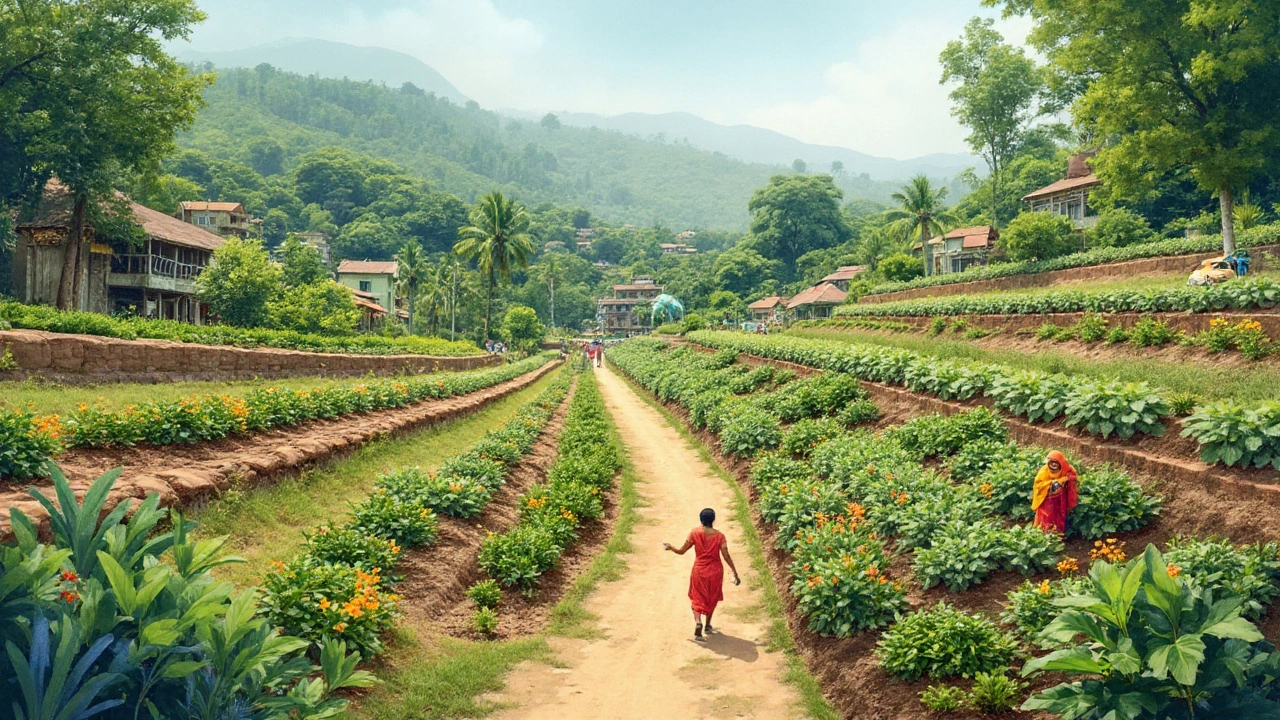
Terrace Gardening: Best Plants, Tools, and Tips for Small Spaces in India
When you think of terrace gardening, a way to grow plants on rooftops, balconies, or flat outdoor spaces where soil isn’t naturally available. Also known as roof gardening, it’s not just a trend—it’s a necessity in crowded Indian cities where land is scarce but sunlight isn’t. You don’t need a backyard to grow fresh herbs, veggies, or flowers. All you need is a flat surface, some containers, and the right approach.
Container gardening, growing plants in pots, buckets, or raised beds instead of the ground. Also known as potted gardening, is the backbone of any successful terrace setup. Most people fail because they use the wrong soil or too-small pots. A 10x10 patio can feed a family if you pick the right plants and manage water wisely. That’s why so many posts here focus on soil improvement—compacted or lifeless soil kills more terrace gardens than pests or heat. Adding compost, perlite, or coconut coir can turn poor soil into a thriving medium in weeks.
Water is another big issue. Running a drip irrigation, a system that delivers water slowly and directly to plant roots through tubes and emitters. Also known as precision watering, it’s far better than sprinklers for terraces. But even drip systems can waste water if you water every day. Most Indian terrace gardens need watering only 2–3 times a week, depending on the season. That’s why guides here show you how to check soil moisture, pick the right emitter flow rates, and even use rainwater harvesting to cut costs. And if you’re tired of lugging buckets up stairs, you’ll find better options than drip irrigation—like soaker hoses or self-watering planters.
What you grow matters too. Not all plants survive on a hot, windy terrace. Vanda orchids? Too finicky. Durian trees? Too slow. But tomatoes, chillies, mint, and even strawberries? They thrive if you give them six hours of sun and well-drained soil. You’ll find posts that list the best vegetables for balconies, the most needy plants to avoid, and even how to cool a baking terrace with shade cloth or reflective paint.
And it’s not just about plants. The right tools, layout, and maintenance habits make all the difference. A poorly designed terrace garden looks messy and feels like a chore. But with smart spacing, vertical planters, and a few decorative touches, your space can become a peaceful retreat. You’ll see how people turned dull rooftops into food-producing, eye-catching gardens with under ₹5,000.
Everything here comes from real Indian gardeners who’ve tried the hacks, failed, fixed it, and shared what actually worked. No fluff. No theory without results. Just clear, practical advice for growing more with less—whether you’re on a sixth-floor balcony in Mumbai or a rooftop in Jaipur.
Confused by swales and terraces? Discover their core differences, best uses, and tips for sustainable gardening. Learn how they manage water and control erosion.
Curious about what separates a terrace from a roof terrace? This article covers the main differences between these two popular outdoor spaces, touching on access, structural limits, and gardening hacks. Get insights on how to use each space for gardening, chilling, or hosting friends. Learn why details like drainage and weight matter more for your tomato patch than you might think. Find out which one could work better for your plant-growing plans.