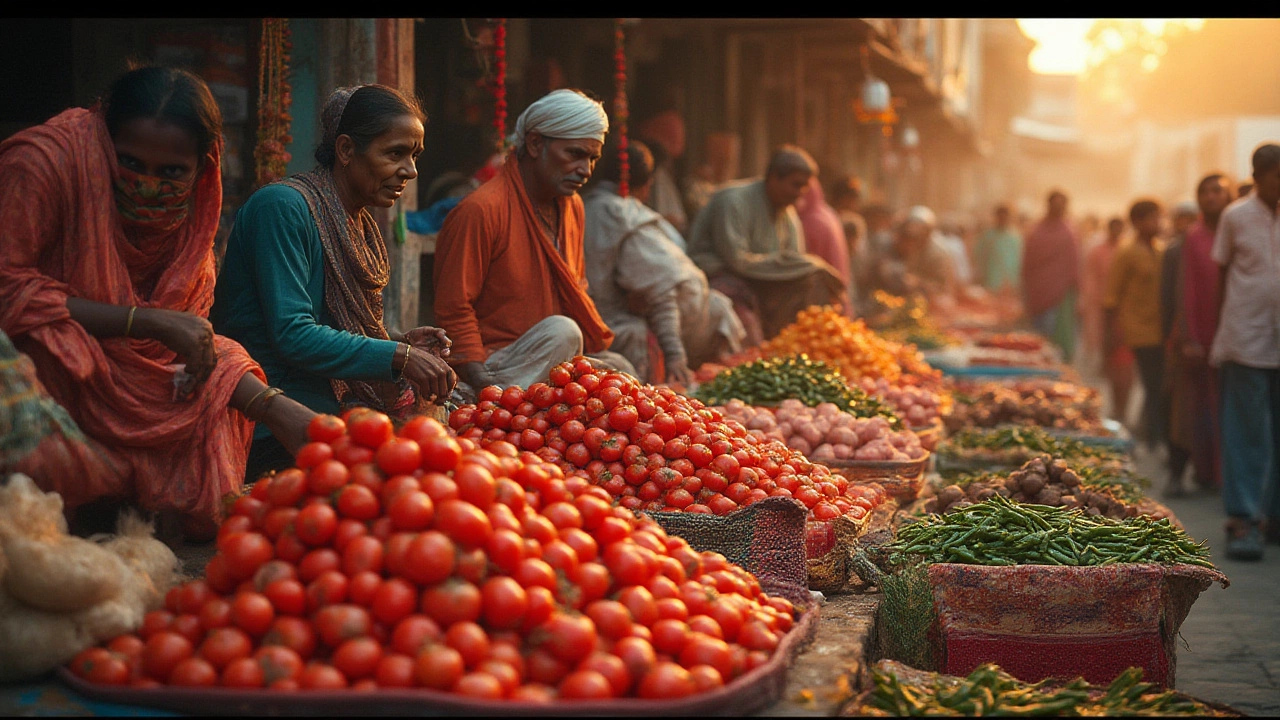
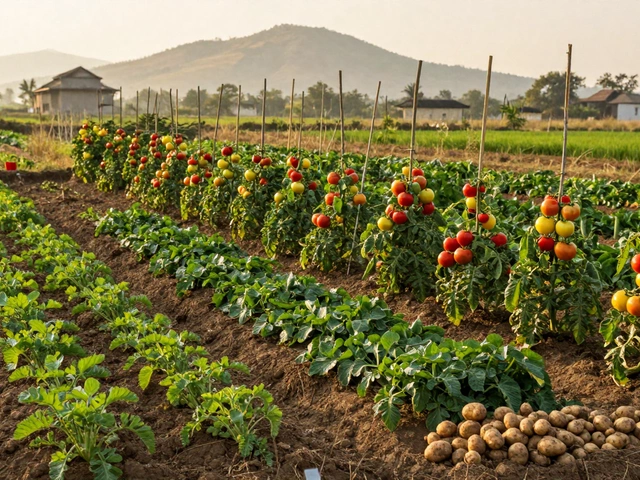
When it comes to top crops in India, the most widely grown and economically vital plants cultivated across the country’s diverse climates. Also known as principal agricultural produce, these crops feed millions, support rural livelihoods, and shape India’s food economy. From the rice paddies of West Bengal to the wheat fields of Punjab, the list isn’t just about volume—it’s about what actually survives and thrives under India’s extreme heat, monsoon rains, and uneven soil quality.
Not all crops are created equal here. rice, a staple grain that dominates India’s southern and eastern regions grows best in flooded fields and high humidity. wheat, the northern belt’s answer to rice, needs cooler winters and well-drained soil. Then there’s millets, ancient, drought-resistant grains making a comeback thanks to climate stress. These aren’t just traditional foods—they’re survival tools. And with water getting scarcer, farmers are turning to biotech-enhanced seeds that need less irrigation and resist pests naturally.
What’s surprising? Some of the most profitable crops aren’t the ones you’d expect. durian, once thought too exotic for Indian soil, is now being grown in Tamil Nadu and Kerala because demand and prices are skyrocketing. Even sandalwood, a slow-growing, high-value tree under threat from illegal harvesting, is seeing renewed interest from eco-conscious growers using biotech propagation to boost yield without wild harvesting. Meanwhile, crops like Vanda orchids, famed for their beauty but notorious for being nearly impossible to grow without precise humidity and airflow control, show how even non-food plants are pushing the limits of what’s possible in Indian gardens.
Soil health, irrigation, and pest control make or break these crops. Compacted soil kills yields. Overwatering ruins roots. Poor drainage drowns even the toughest plants. That’s why the best growers don’t just plant—they fix the ground first. They use compost, mulch, and smart watering systems like drip lines and soaker hoses to stretch every drop of water. And when pests show up, they reach for neem oil, not chemicals. It’s not magic—it’s science, adapted for real farms and real gardens.
If you’re growing in India, whether on a balcony or a five-acre plot, your success depends on picking the right crop for your space and climate. The posts below cover exactly that: what grows well, what fails, and how to fix the mistakes most gardeners make. You’ll find real advice on soil, watering, pests, and the surprising crops that are quietly changing Indian agriculture—one garden at a time.
Discover which vegetables are in highest demand across Indian markets, why they’re hot sellers, and tips for boosting your own garden’s yield with the most profitable crops.