Traditional Indian Vegetables: What to Grow, Why They Matter, and How to Care for Them
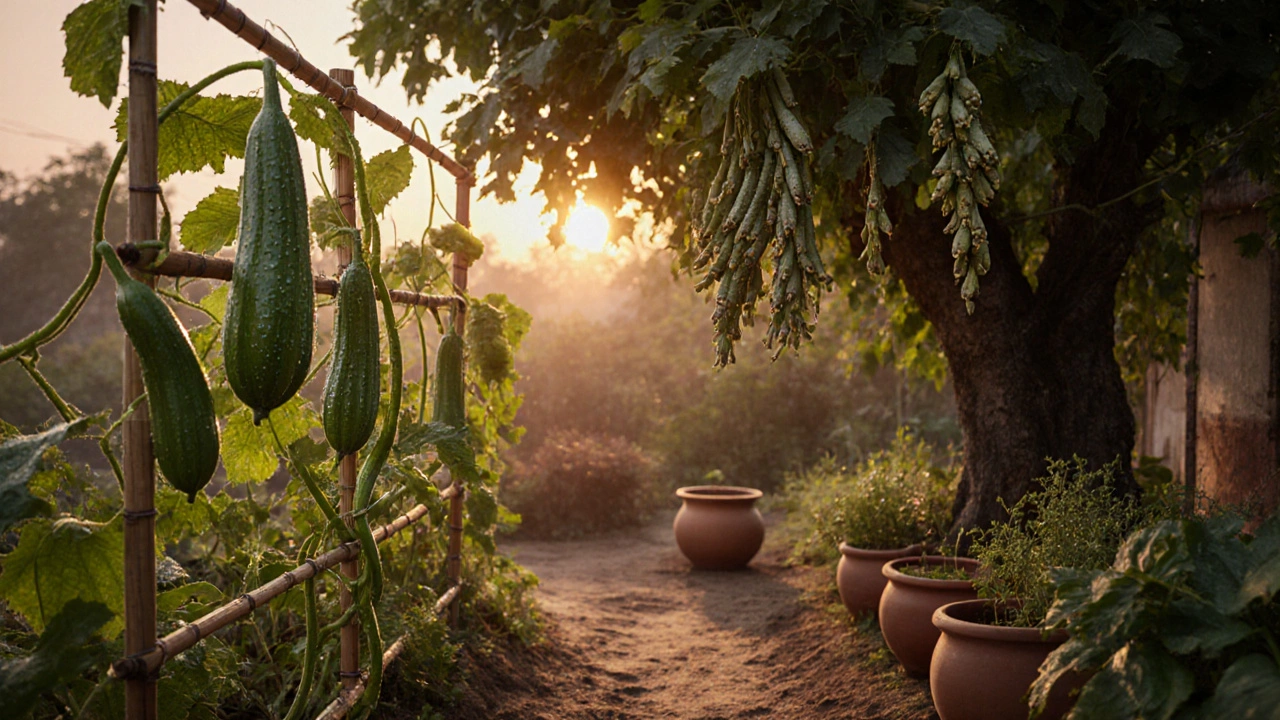
When you think of traditional Indian vegetables, native crops that have fed Indian households for centuries, often grown without synthetic inputs and adapted to local monsoons and soils. Also known as heirloom vegetables India, these plants aren’t just food—they’re part of the land’s history, culture, and resilience. Unlike imported hybrids, these varieties like brinjal, amaranth, cluster beans, and bitter gourd have evolved alongside India’s seasons, pests, and rainfall patterns. They don’t need fancy fertilizers or drip systems to survive—they just need the right soil, a little space, and respect for their natural rhythm.
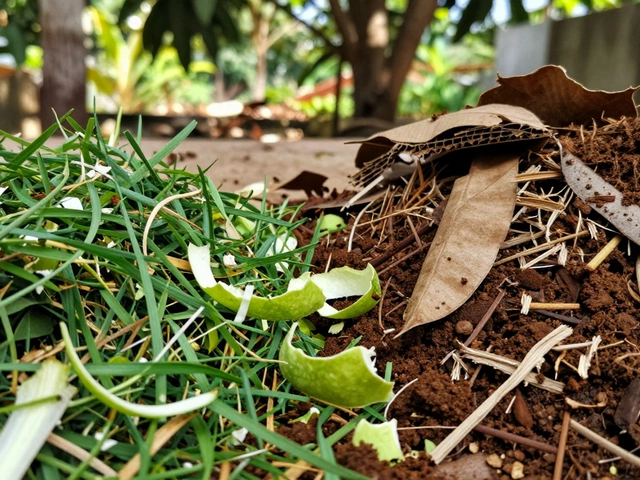
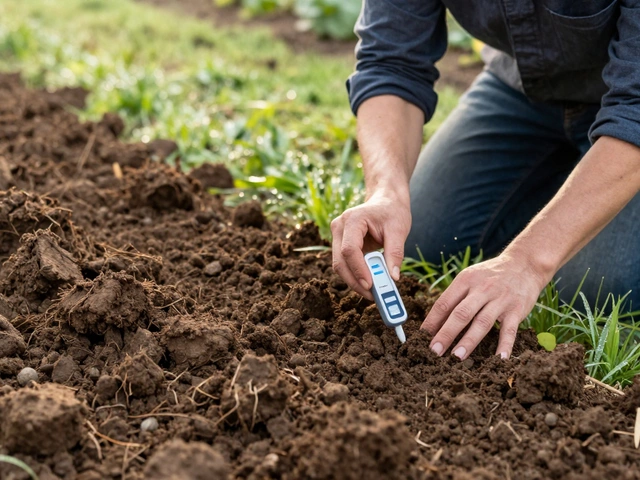
These vegetables are deeply tied to soil health, the condition of garden or farm soil that supports plant growth through organic matter, microbial life, and proper structure. Most traditional Indian gardens rely on compost, crop rotation, and mulch—not chemical inputs—to keep the soil alive. That’s why posts on fixing compacted soil, revitalizing old garden dirt, and making homemade fertilizer show up so often here. You can’t grow good traditional vegetables in dead soil. You need to feed the earth, not just the plant.
And it’s not just about the soil. organic gardening India, a method of growing food without synthetic pesticides or fertilizers, using natural alternatives like neem oil and compost tea is the natural companion to these crops. Neem oil, for example, isn’t just a trendy spray—it’s been used for generations to protect bitter gourd and okra from pests. Rainwater harvesting and mulching aren’t modern innovations; they’re old wisdom repackaged. The best practices for growing these vegetables don’t come from labs—they come from village kitchens and monsoon-season farmers who know when to plant and when to wait.
What you’ll find in these posts isn’t theory. It’s real talk from people who’ve tried to grow these vegetables in balconies, backyards, and rooftop gardens across India. You’ll learn how to spot when your cluster beans are struggling because the soil’s too hard, why your amaranth is turning yellow (it’s not the water), and how to use what you already have—cow dung, kitchen scraps, clay pots—to make them thrive. No expensive tools. No imported seeds. Just what works here, now, in India’s heat, rain, and dust.
These aren’t exotic plants. They’re the ones your grandparents ate. And they’re still the best choice if you want to grow food that’s tough, tasty, and true to the land. Below, you’ll find real stories from gardeners who’ve figured out how to grow them—without the hype, without the gadgets, and without the guilt.
Discover which vegetables are truly native to India and why growing them makes your garden more resilient, nutritious, and connected to local food traditions. Learn how to grow bitter gourd, drumstick, snake gourd, and other indigenous crops with minimal effort.