Tulsi: The Sacred Herb That Powers Indian Gardens and Homes
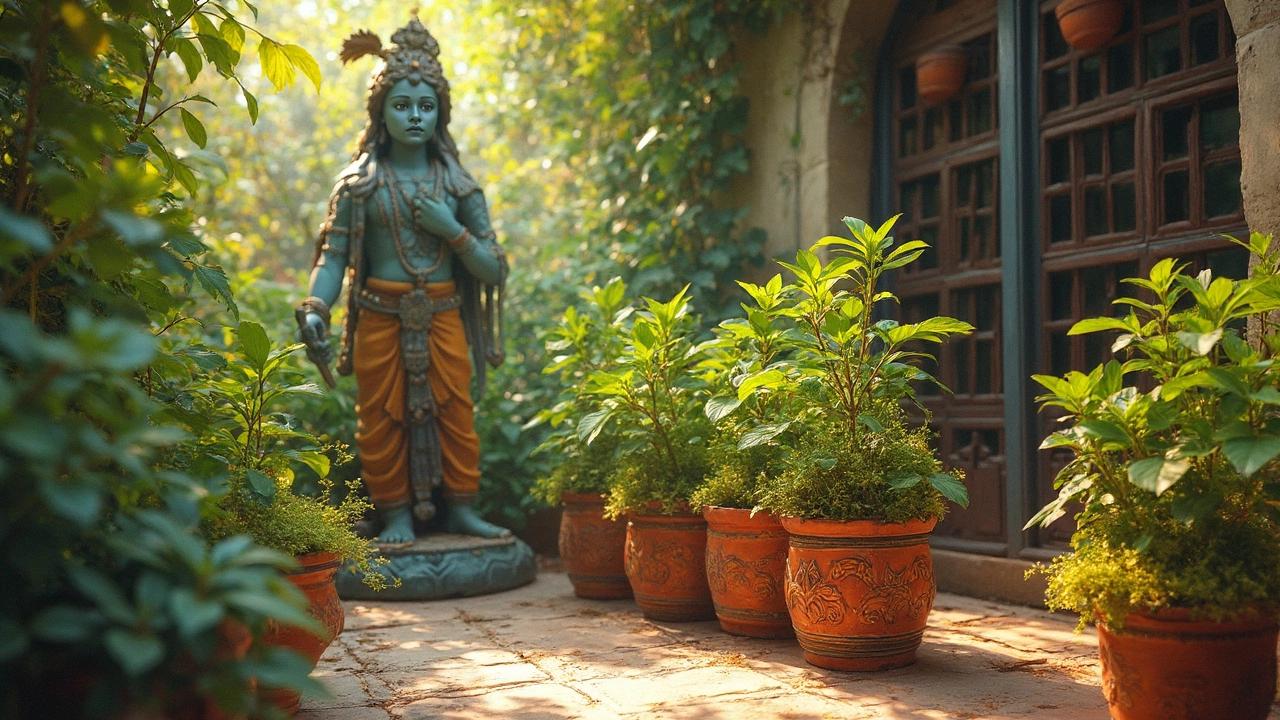
When you think of tulsi, a sacred, aromatic herb native to the Indian subcontinent and revered in Hindu culture for its spiritual and medicinal properties. Also known as holy basil, it grows wild in backyard corners, temple courtyards, and urban balconies across India. This isn’t just another plant. Tulsi is a living part of daily life—used in teas, rituals, and remedies passed down for generations. It’s the one herb your grandmother likely kept near the entrance, not just for beauty, but because it keeps pests away, cleans the air, and supports immunity.
Tulsi thrives in India’s warm, humid climate and doesn’t need fancy care. It grows well in pots, in soil, even in cracked concrete patches. It’s a natural pest repellent—no chemicals needed. That’s why it shows up in so many of our posts about natural insecticide, a plant-based solution that fights bugs without harming bees or soil, like neem oil. Tulsi works the same way. Its strong scent deters mosquitoes, aphids, and even flies. It’s also a key player in homemade fertilizer, simple, organic mixes made from kitchen waste and garden byproducts. Crushed tulsi leaves added to compost boost microbial activity and help other plants grow stronger.
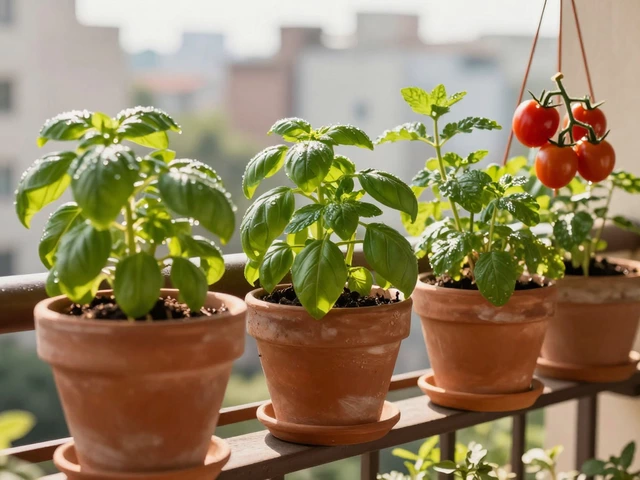
People often ask why tulsi is so hardy while other plants like Vanda orchids die in the same garden. The answer? Tulsi doesn’t need perfect conditions. It survives dry spells, light shade, and irregular watering. That’s why it’s the perfect starter plant for beginners in balcony vegetable gardening, growing food in small urban spaces with limited sunlight and soil. You don’t need a big plot. Just a pot, some soil, and a sunny window. And if you’re worried about soil quality, tulsi actually helps improve it over time by encouraging beneficial microbes.
It’s not just about growing a plant. It’s about connecting to a tradition that’s rooted in science. Studies from Indian universities show tulsi reduces stress hormones and supports respiratory health. That’s why it’s used in Ayurveda and why so many households keep at least one plant. You’re not just gardening—you’re building a small, living medicine cabinet.
Below, you’ll find real guides from gardeners who’ve mastered tulsi care, turned it into natural remedies, and even used it to make their entire terrace more resilient. Whether you’re new to gardening or just want to grow something that actually works in India’s climate, these posts give you the no-fluff, tried-and-true tips you need.
India, a land rich in culture and tradition, holds the Tulsi plant in high esteem due to its sacred status. Tulsi, also known as Holy Basil, is cherished for both its spiritual significance and medicinal properties. Beyond its religious importance in Indian households and temples, Tulsi offers a variety of health benefits and is used in many traditional remedies. This article delves into Tulsi's role in Indian culture, its beneficial properties, and tips for growing this revered plant in your garden.