UK hosepipe ban: What it means for gardeners and how to adapt
When the UK hosepipe ban, a legal restriction on non-essential outdoor water use during droughts. Also known as water use restrictions, it typically kicks in during hot, dry summers when reservoirs drop below safe levels. It doesn’t mean your garden has to die. It means you need to work smarter—not harder. Many gardeners panic when they hear the ban is active, but the truth is, most plants survive just fine if you shift your approach. The real problem isn’t the ban itself—it’s how most people water their gardens the wrong way all year round.
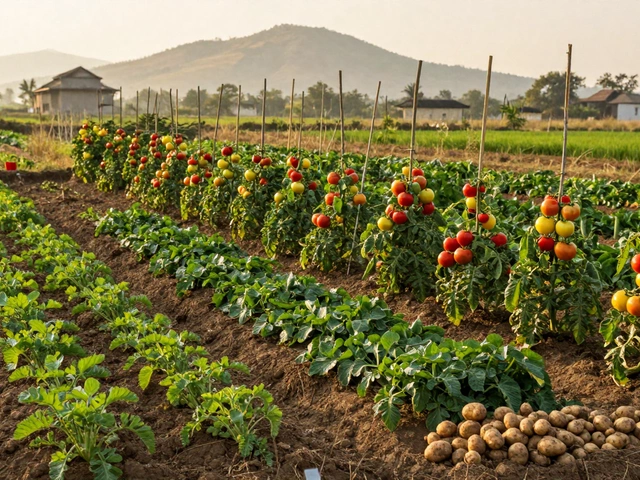
The drip irrigation, a system that delivers water slowly and directly to plant roots is one of the few tools that still works under a ban. Unlike sprinklers that waste half their water to evaporation, drip systems use up to 70% less water. That’s why posts like Should I Run Drip Irrigation Every Day? and What Is Better Than Drip Irrigation? are so popular—they show you how to stretch every drop. You don’t need fancy gear. A soaker hose, some mulch, and a rain barrel can get you through a dry spell. And if you’re growing veggies on a balcony, Balcony Vegetable Gardening breaks down exactly which plants need the least water and still give you a harvest.
It’s not just about tools. The compacted soil, dense, hard earth that blocks water and root growth in many UK gardens is what makes water restrictions hurt more. When soil won’t absorb water, it runs off. That’s why fixing your soil with compost and aeration—covered in How to Fix Compacted Soil in Your Garden—is more important than any new gadget. Good soil holds water like a sponge. Bad soil lets it vanish. And if you’re worried about your bonsai or orchids, What Does an Overwatered Bonsai Tree Look Like? and The Toughest Plant to Grow in India’s Seasonal Climates remind you that too much water is often the enemy, even when the ban is off.
What you’ll find below isn’t a list of quick fixes. It’s a collection of real, tested strategies from gardeners who’ve survived multiple droughts. You’ll learn how to use rainwater harvesting, pick drought-tolerant plants, and even grow food with almost no tap water. Some of these tips work in Manchester. Others work in London. All of them work under a hosepipe ban. No fluff. No guilt. Just what actually keeps plants alive when the water company says no.
Yes, water can cool your house a bit-but it’s brief and risky. Learn when it works, how to do it safely, costs, UK restrictions, and smarter ways to stay cool.