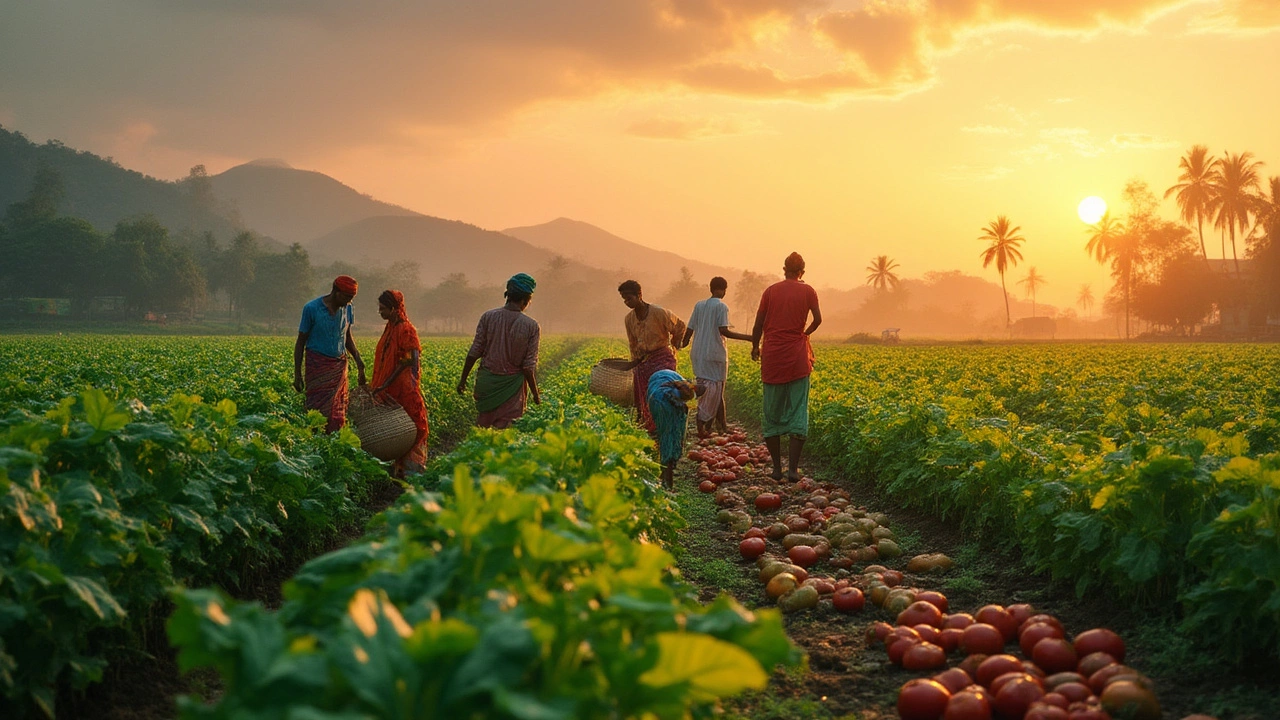
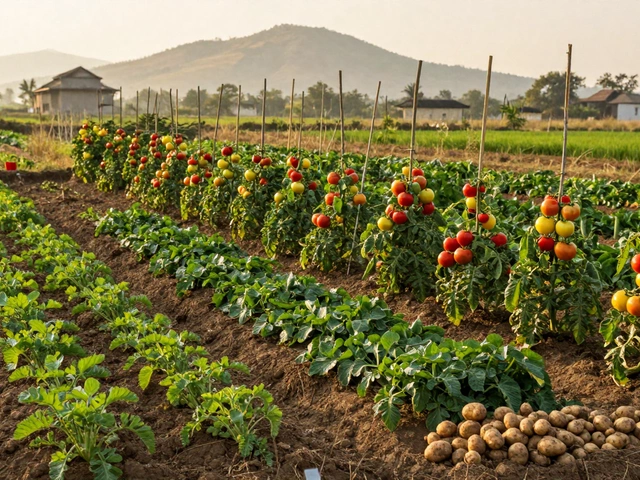
When it comes to growing your own vegetables, edible plants grown for food in home or small-scale farms, often using organic methods. Also known as home gardening, it’s one of the most reliable ways to eat fresh, save money, and cut down on plastic packaging. Many people in India think you need a big plot of land to grow vegetables—but that’s not true. You can grow tomatoes, spinach, chilies, and even cucumbers on a balcony, terrace, or even a windowsill. What matters most isn’t space—it’s soil health, the condition of garden soil that supports root growth, nutrient uptake, and microbial life. If your soil is hard, dusty, or packed down, nothing will thrive. But fix that, and you’ll see results fast.
One of the biggest mistakes in vegetable farming is overwatering. Just because the top of the soil looks dry doesn’t mean the roots need more water. Running a drip irrigation, a water-efficient system that delivers moisture directly to plant roots through tubes and emitters every day? That’s usually a recipe for root rot. Most vegetables do better with deep, infrequent watering. The same goes for fertilizer. You don’t need fancy chemicals. Homemade compost, banana peel tea, or neem cake can give your plants all the nutrients they need without harming the soil or polluting groundwater. And if pests show up? neem oil, a natural insecticide derived from the seeds of the neem tree, widely used in Indian agriculture to control aphids, whiteflies, and mites is your best friend. It’s safe for bees, pets, and kids, and it works better than most store-bought sprays.
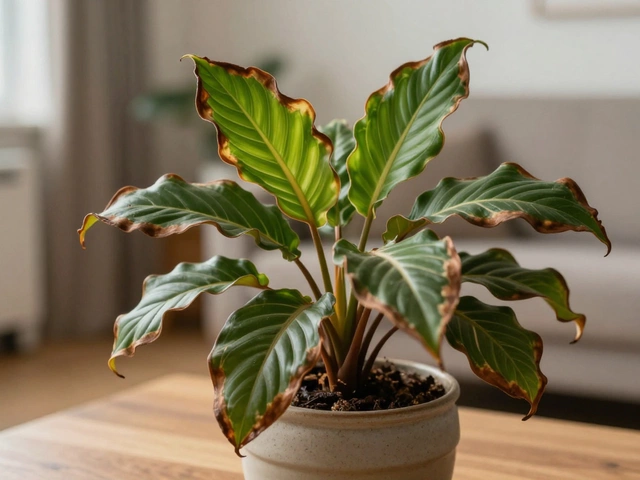
Vegetable farming isn’t about following a rigid rulebook. It’s about watching your plants, learning their cues, and adjusting. If leaves turn yellow, check the soil. If fruits are small, maybe they need more sun. If your container garden is drying out too fast, add mulch. The best vegetable farmers aren’t the ones with the biggest gardens—they’re the ones who pay attention. Below, you’ll find real, tested advice from gardeners who’ve been there: how to fix compacted soil, what veggies grow best in small spaces, why drip systems aren’t always the answer, and how to make your own fertilizer from kitchen scraps. No theory. No fluff. Just what works.