Vegetarian Countries: Where Plant-Based Eating Is the Norm
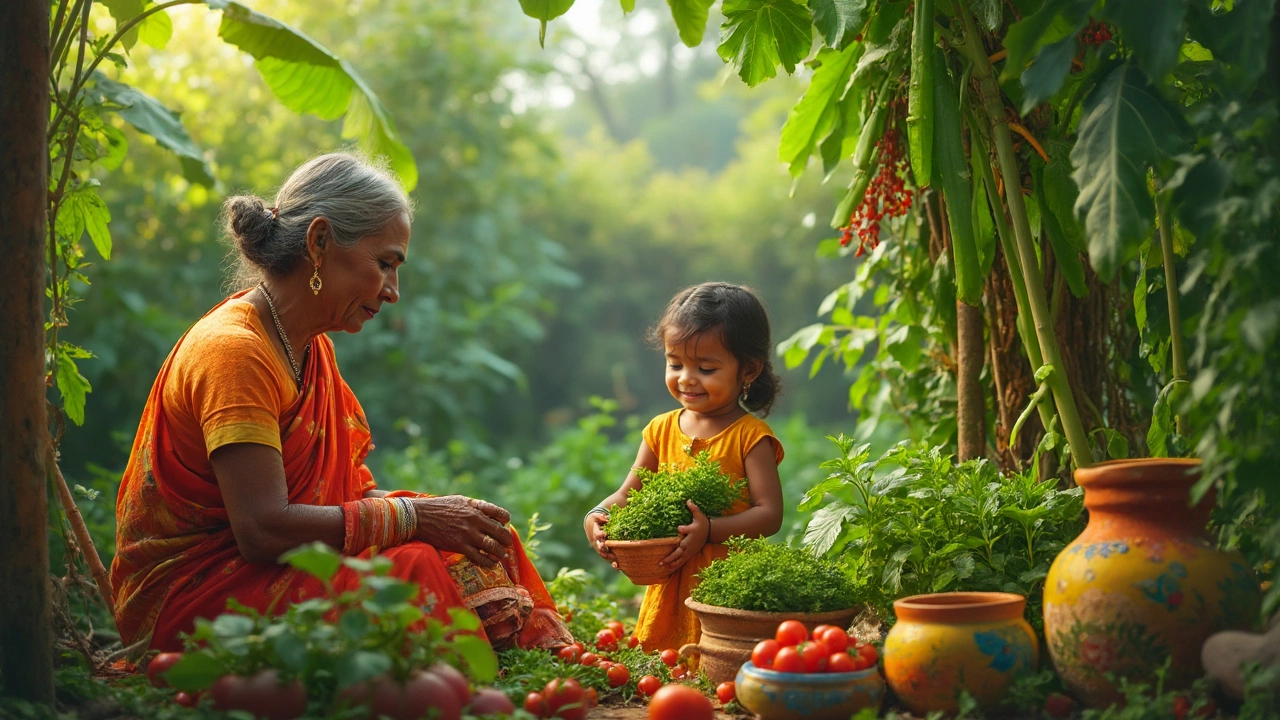
When we talk about vegetarian countries, nations where a large portion of the population follows plant-based eating habits for cultural, religious, or environmental reasons. Also known as plant-based nations, these places don’t just offer tofu salads—they’ve built entire food systems around vegetables, grains, and legumes. India stands out as the clearest example. Over 30% of its population avoids meat, not because of trends, but because of deep-rooted beliefs tied to Hinduism, Jainism, and Buddhism. This isn’t a niche lifestyle—it’s how millions eat every day, from street vendors serving dal chawal to families preparing meals with turmeric, lentils, and seasonal greens.
Other vegetarian countries, nations where plant-based eating is widespread and socially accepted. Also known as plant-based nations, it include Ethiopia, where fasting traditions mean over 200 days a year are meat-free, and Israel, where veganism has exploded in cities like Tel Aviv thanks to strong community support and innovative food startups. Even in places like Taiwan and Sri Lanka, temple meals and local customs make plant-based eating the default, not the exception. These aren’t just diets—they’re cultural norms shaped by climate, religion, and history. And unlike Western trends that come and go, these habits have lasted for centuries.
What ties these places together? They don’t rely on expensive superfoods or fancy supplements. Their strength lies in simple, local ingredients: millet in Rajasthan, jackfruit in Kerala, chickpeas in Ethiopia, and fermented soy in Taiwan. These foods are affordable, easy to grow, and perfectly suited to local climates. That’s why you won’t find a single post in this collection about exotic vegan protein powders—instead, you’ll find real-world advice on growing vegetables in small spaces, using neem oil to protect crops, fixing compacted soil for better yields, and making homemade fertilizers from kitchen waste. All of it connects back to the same truth: if you want to eat well without meat, you don’t need to import anything. You just need good soil, smart planting, and respect for local traditions.
Below, you’ll find practical guides from gardeners who live this reality every day—whether they’re growing durian in southern India, reviving old soil for a terrace garden, or choosing the toughest plants that still thrive in monsoon heat. These aren’t theoretical tips. They’re lessons from people who’ve learned how to feed themselves and their communities using only what the land provides. No gimmicks. No hype. Just results.
Ever wondered if any country in the world is truly 100% vegetarian? This article digs into that big claim, tackling whether India fits the bill and what drives its plant-based culture. You'll get real numbers, why India grows so many veggies, and tips from local gardens so you can grow like a pro. Let’s clear up the myths, spot the reality, and see what sets India’s vegetable gardening scene apart. Expect plenty of hands-on tips and quirky facts to make you see veggies in a new way.