Vegetarian Culture in India: How It Shapes Gardening and Food Choices
When you think of vegetarian culture, a deeply rooted way of life in India that connects food, ethics, and land stewardship. Also known as plant-based living, it's not just about skipping meat—it's about how food grows, who tends it, and why soil matters as much as the plate. In India, vegetarianism isn't a trend. It’s been around for thousands of years, tied to religion, community, and practical survival. Over half the population follows some form of vegetarian diet, and that shapes everything—from what’s grown in backyard gardens to how farmers manage their fields.
This culture doesn’t just avoid animal products—it actively promotes organic farming, a method of growing food without synthetic chemicals, relying instead on compost, crop rotation, and natural pest control. You’ll see it in rural villages where cow dung is turned into fertilizer, and in urban balconies where people make compost from kitchen scraps. It’s no accident that plant-based gardening, growing food that feeds people without relying on animal inputs is so common here. Neem oil, a natural insecticide made from tree seeds, is used everywhere because it fits perfectly with this way of thinking—effective, safe, and plant-derived. Even the way water is managed—through rainwater harvesting and drip systems—stems from a mindset that values balance, not waste.
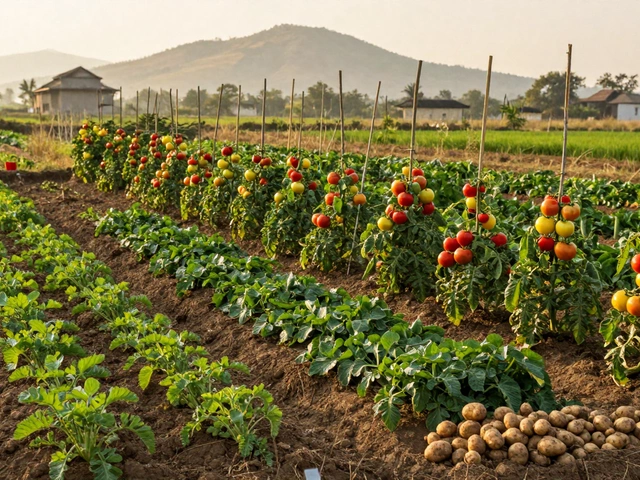
The connection between what people eat and how they grow it is direct. If you don’t eat meat, you don’t need to raise animals. That frees up land, water, and energy to grow more vegetables, grains, and legumes. It’s why Indian gardens are full of spinach, okra, lentils, and bitter gourd—not because they’re trendy, but because they’re practical, nutritious, and culturally accepted. Even the toughest plants to grow, like Vanda orchids or durian trees, are often tended by people who see gardening as a form of care—not just production. This isn’t just agriculture. It’s a quiet revolution in how humans live with the earth.
What you’ll find in the posts below aren’t random gardening tips. They’re all shaped by this same thread—vegetarian culture in India. From homemade fertilizers made from kitchen waste to soil that’s revived with compost instead of chemicals, every article reflects a deeper truth: growing food here isn’t about maximizing yield. It’s about harmony. You’ll see how people fix compacted soil with simple tools, choose the best vegetables for small balconies, and use natural insecticides that protect bees and soil alike. There’s no fancy tech here. Just smart, patient, rooted practices passed down through generations—and now being rediscovered by city dwellers with a balcony and a dream.
India has the largest number of vegetarians in the world, and it’s not just about food—it’s deeply woven into the country’s culture, history, and daily routine. This article digs into why vegetarianism is so common in India, backed by facts and real-life experiences. You’ll learn how ancient beliefs, religion, and even home gardening shape what people eat. Plus, there are tips for starting your own veggie patch Indian-style. If you’ve ever wondered about the roots of India’s veggie obsession, here’s where you’ll find real answers.