Vertical Gardening: Space-Saving Solutions for Indian Homes
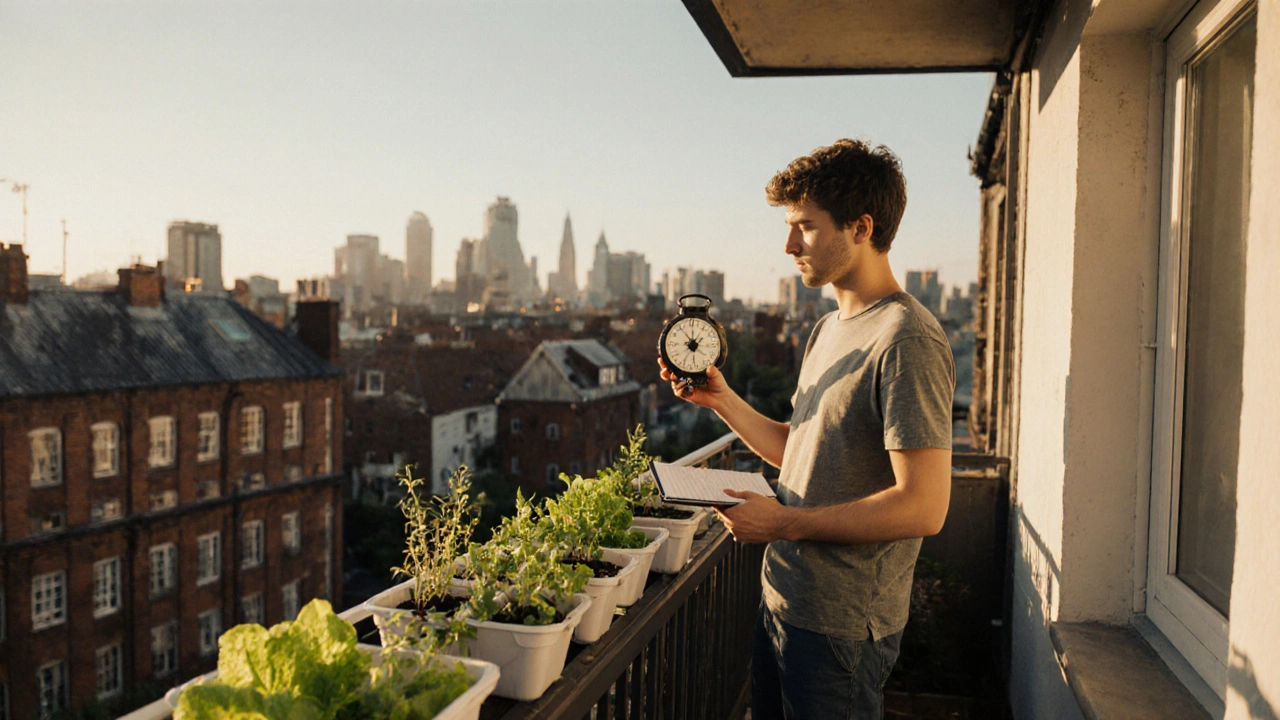
When you live in a city apartment with no yard, vertical gardening, a method of growing plants upward on walls, fences, or stacked containers instead of spreading out horizontally. Also known as wall gardening, it’s not just a trend—it’s a necessity for millions in India who want fresh herbs, veggies, or flowers but have only a balcony or terrace to work with. This isn’t about hanging a few pots. It’s about designing systems that use every inch of space, from floor to ceiling, and still keep plants healthy. Many people think vertical gardens need fancy kits or expensive materials. They don’t. You can start with recycled plastic bottles, old shoe racks, or bamboo poles—things you already have.
What makes vertical gardening work in India’s hot, humid, or dry climates isn’t just the structure—it’s how you water and feed the plants. That’s where drip irrigation, a system that delivers water slowly and directly to plant roots through tubes and emitters. It’s the most reliable way to keep vertical gardens alive without constant hand-watering. You can’t just spray water from above; it runs off before roots get enough. Drip systems keep moisture steady, cut water waste by up to 60%, and let you walk away for days. Pair that with container gardening, growing plants in pots, bags, or pockets instead of the ground. It’s the backbone of vertical setups, especially on concrete balconies where soil can’t be added directly. You’ll also need to pick the right plants—ones that don’t need deep roots, like spinach, lettuce, chili peppers, or trailing herbs. Avoid heavy crops like pumpkins or corn. Stick to what fits the space.
People often skip the soil part. Bad soil kills vertical gardens faster than lack of water. You need light, airy mix—compost, coco peat, and perlite—not regular garden dirt. And don’t forget drainage. Stagnant water in a hanging pocket means root rot. Every container needs holes. Every layer needs airflow. If your balcony gets full sun, use shade cloth. If it’s shady, pick plants that thrive in low light. This isn’t magic. It’s simple physics: water, air, light, and the right plant in the right spot.
What you’ll find below are real, tested solutions from Indian gardeners who’ve turned tiny balconies into food factories. No fluff. No theory. Just how to fix leaky drip lines, what plants survive Delhi’s summer heat, how to stack 10 plants in 2 square feet, and why some DIY systems fail after two weeks. These aren’t ideas from a book. They’re fixes from people who’ve tried it, failed, and tried again—until it worked.
Learn how to grow vegetables on a Manchester balcony with step‑by‑step tips on light, containers, soil, watering, and pest control for a thriving small‑space garden.