Wall Planter Ideas for Small Spaces in India
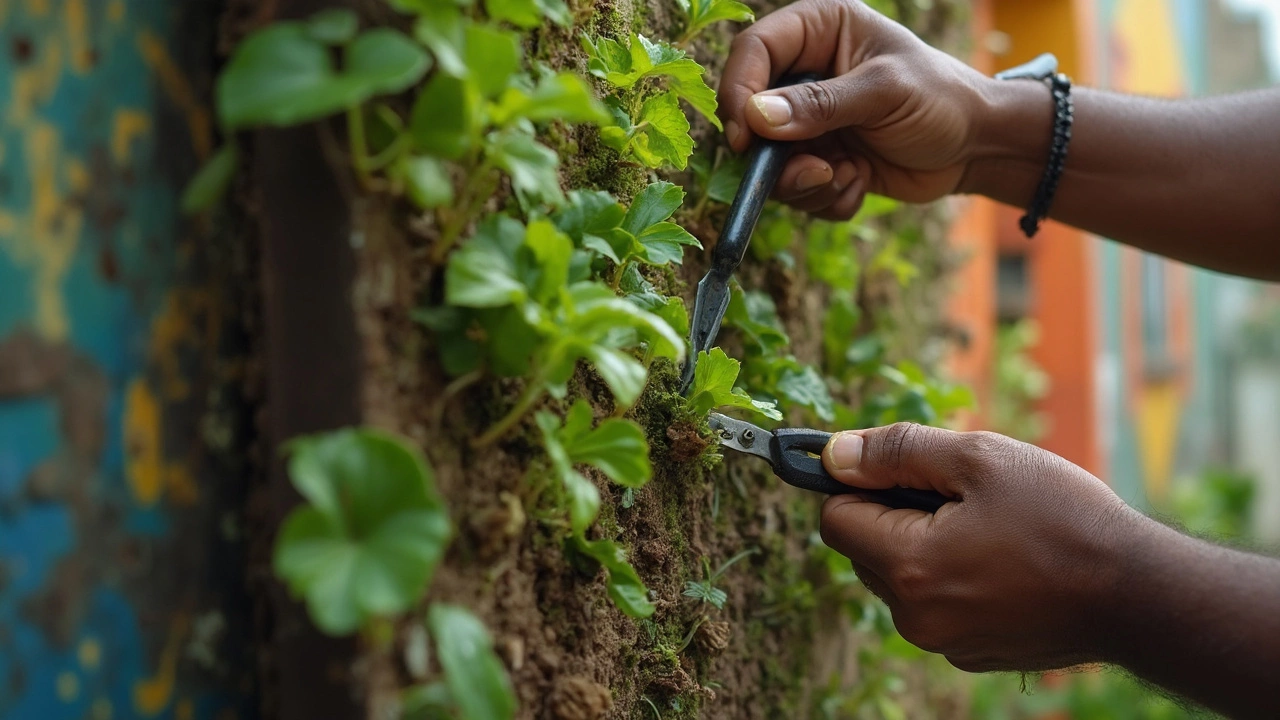
When you live in a city apartment or have a tiny balcony, a wall planter, a vertical gardening solution that attaches to walls or fences to grow plants without taking up floor space. Also known as vertical garden panels, it lets you turn blank walls into living green spaces—no yard needed. In India, where balconies are often just 3x3 feet and rooftops are packed with AC units, wall planters aren’t just trendy—they’re practical. You can grow fresh coriander, chillies, or even strawberries without needing a single square foot of ground.
Wall planters work best when paired with container gardening, growing plants in pots or enclosed systems instead of open soil. They’re ideal for small space gardening, maximizing plant growth in limited areas like balconies, terraces, or windowsills. You don’t need deep soil—just good drainage, the right mix of compost and coco peat, and plants that don’t outgrow their space. Many Indian gardeners use recycled plastic bottles, bamboo racks, or modular fabric pockets as DIY wall planters. These aren’t just cheap—they’re smart. They reduce water waste, keep soil from washing away, and make it easier to move plants around when the sun shifts.
What you grow matters. Herbs like mint and basil thrive in wall planters because they don’t need deep roots. Leafy greens like spinach and lettuce do well too, especially if you pick varieties bred for containers. Even small tomatoes and peppers can work if you use deeper pockets and give them a little support. Avoid plants that need wide root spread—like big gourd vines or banana trees. The key is matching the plant to the planter’s depth and sunlight. South-facing walls get the most sun in India, so put your sun-lovers there. North-facing? Go for shade-tolerant plants like pothos or ferns.
Watering is the biggest mistake people make. Wall planters dry out faster than ground soil, especially in hot cities like Delhi or Hyderabad. But that doesn’t mean watering every day. Check the top inch of soil—if it’s dry, water. If it’s still damp, wait. Overwatering kills more plants than under-watering. Pair your wall planter with a drip irrigation, a system that delivers water slowly and directly to plant roots for consistent results. You can set up a simple timer and a low-flow line to run water once every two or three days. That’s all it takes.
And don’t forget the weight. A full wall planter with wet soil can be heavy. Make sure your wall or balcony railing can handle it. Use lightweight mixes—coco peat, perlite, and compost—instead of heavy garden soil. That’s why so many Indian gardeners now mix their own soil instead of buying bags from the market. It’s cheaper, lighter, and better for the plants.
What you’ll find below are real, tested ideas from gardeners who’ve made wall planters work in cramped Indian homes. From how to fix leaking pockets to which plants survive monsoon rains, these posts cut through the noise. No fluff. No theory. Just what actually grows, what actually lasts, and what you can do tomorrow to turn your wall into a food-producing green wall.
Building a vertical garden means working with limited space, so picking the right tool can make or break the process. This article covers which tool works best for prepping those tight spots and awkward panels. It also shares practical tips, interesting facts, and no-nonsense advice to get your vertical garden off the ground without hassle. Just real, hands-on help from someone who actually understands gardening headaches. No fancy gear, just the essentials that make a real difference.
Continue reading...