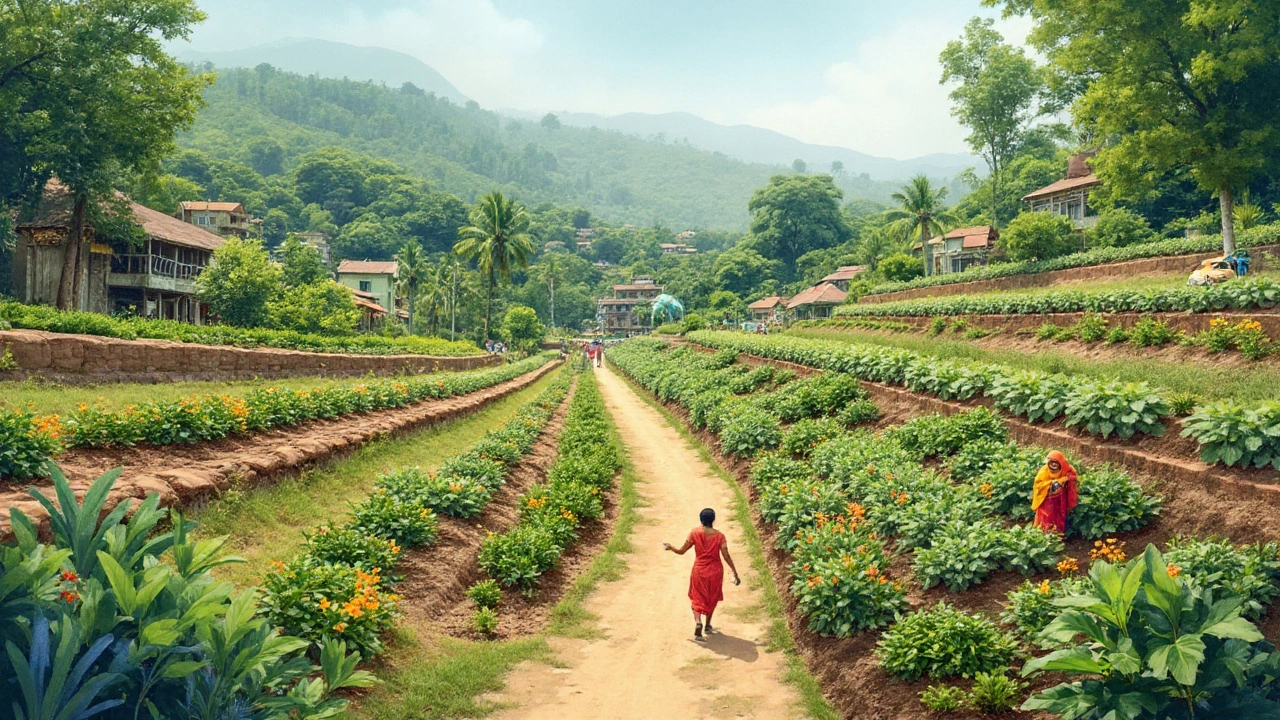
Water Management for Gardens: Smart Ways to Save Water and Keep Plants Healthy
When it comes to water management, the strategic use of water to support plant growth while minimizing waste. Also known as irrigation planning, it’s not just about turning on the hose—it’s about knowing when, how much, and where to deliver water so your plants thrive without wasting a drop. In India’s unpredictable climate, where monsoons come and go and summers turn dry and harsh, good water management isn’t optional. It’s the difference between a lush garden and a dusty patch of soil.
Good water management starts with understanding your soil. Compacted soil holds water poorly, while sandy soil lets it drain too fast. That’s why fixing soil structure with compost and mulch is one of the first steps any gardener should take. Then comes the system: drip irrigation, a method that delivers water slowly and directly to plant roots is popular, but it’s not always the best. soaker hoses, porous tubes that seep water evenly along their length work better for rows of vegetables. And for those looking to cut costs even further, rainwater harvesting, collecting and storing rain from rooftops or patios for later use can cut your water bill by half. You don’t need fancy equipment—just a barrel, a screen, and a little planning.
Water management also means knowing when not to water. Running drip systems every day? That’s a common mistake. Most plants prefer deep, infrequent soaking over daily sprinkles. Overwatering kills more bonsai trees than pests do, and it’s just as deadly for tomatoes, peppers, and even hardy succulents. The key is checking soil moisture with your fingers—not a timer. If the top two inches are dry, it’s time. If they’re still damp, wait. Seasons matter too. In winter, you might water once a week. In peak summer, maybe every three days. Adjust based on weather, not a schedule.
What you’re about to read isn’t theory. These are real fixes from real gardeners in India. You’ll find out why drip irrigation isn’t always the top choice, how to spot an overwatered bonsai before it’s too late, and what actually works better than emitters and drippers. There’s a guide to building a self-sustaining garden that feeds itself with compost and rainwater. You’ll see how mulching cuts water use by up to 70%, and why some gardeners are ditching taps entirely for rain barrels. This isn’t about buying expensive gear—it’s about working smarter with what you already have.
Confused by swales and terraces? Discover their core differences, best uses, and tips for sustainable gardening. Learn how they manage water and control erosion.
Continue reading...