Water Saving Gardening: Smart Ways to Cut Water Use and Grow Healthier Plants
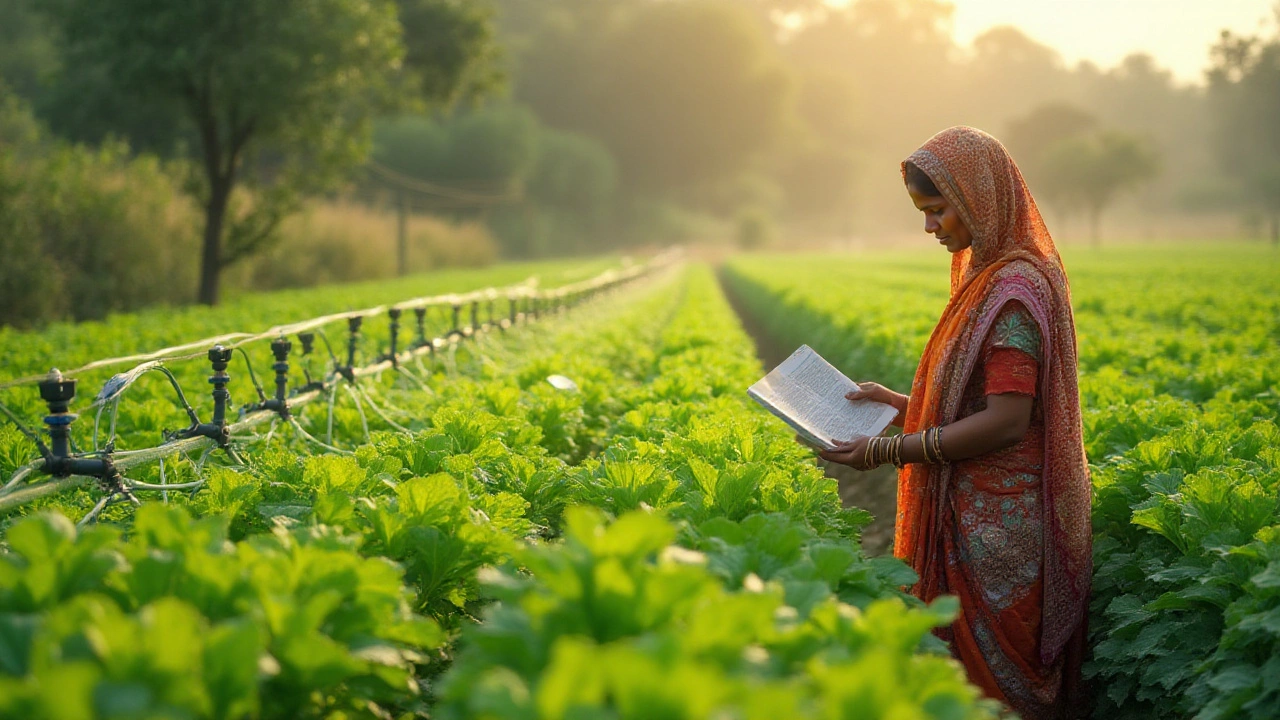
When you practice water saving gardening, a set of methods designed to grow healthy plants while using far less water than traditional methods. Also known as conservation gardening, it’s not about depriving plants—it’s about working smarter with what you have. In India, where summers are long and rainfall unpredictable, wasting water on your garden isn’t just expensive—it’s irresponsible. The good news? You don’t need fancy tech or big budgets. Simple, proven techniques like drip irrigation, a system that delivers water slowly and directly to plant roots, minimizing evaporation and runoff, can slash your water use by up to 60% compared to sprinklers.
But drip irrigation isn’t the only tool in the shed. mulching, the practice of covering soil with organic or inorganic material to lock in moisture and block weeds, is one of the cheapest and most effective tricks you can use. A few inches of compost, straw, or even shredded leaves around your plants keeps the soil cool, reduces evaporation, and feeds the soil as it breaks down. Then there’s rainwater harvesting, collecting and storing rain from rooftops or gutters to use later for irrigation. In cities like Bangalore or Pune, where monsoon rains are heavy but short-lived, a single barrel can supply weeks of watering for a small vegetable patch. And if you’re looking for something even simpler than drip lines, soaker hoses, porous tubes that seep water along their length are low-cost, easy to install, and perfect for rows of veggies or flower beds.
These methods aren’t just about saving water—they’re about building resilience. When you stop flooding your garden and start feeding it slowly and steadily, your plants develop deeper roots, become less dependent on daily watering, and handle heat and dry spells better. You’ll also notice fewer pests and diseases, because wet leaves and soggy soil are breeding grounds for trouble. The posts below cover exactly how to set up these systems, when to use them, and which ones work best for Indian conditions—from terrace gardens in Mumbai to backyard plots in Rajasthan. You’ll find real-world fixes for overwatering, soil compaction, and inefficient irrigation, all backed by experience, not theory. No fluff. No guesswork. Just clear, actionable steps to grow more with less.
Drip irrigation saves water but comes with a high upfront price tag. Learn why it's expensive, what drives the costs, and how gardeners can make it more affordable.
Continue reading...