White Rice: What It Is, How It Grows, and Why It Matters in Indian Gardens
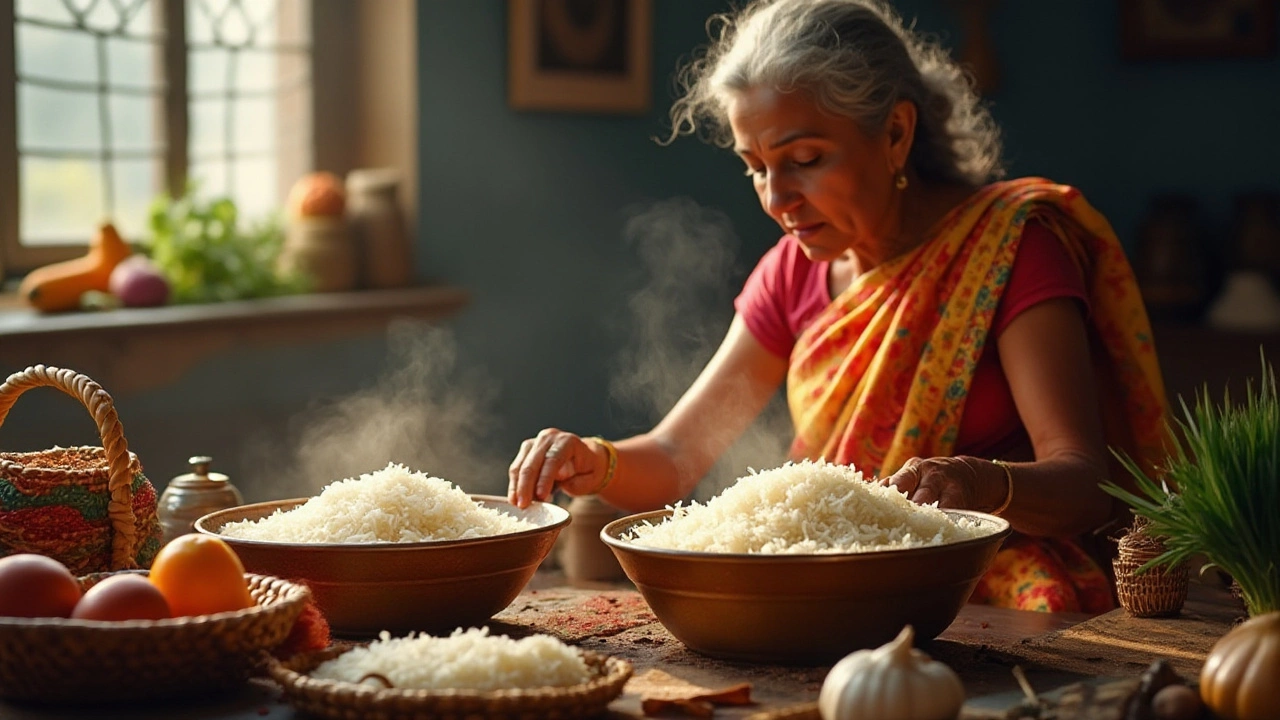
When you think of white rice, a refined grain made from milled rice kernels, stripped of bran and germ to extend shelf life and soften texture. Also known as milled rice, it’s the backbone of daily meals across India, from Tamil Nadu’s idlis to Punjab’s biryanis. But behind every bowl is a complex story of water, soil, and science. White rice doesn’t just appear in your kitchen—it’s grown in flooded fields called paddy fields, often under intense heat and monsoon rains. Most Indian farmers still rely on traditional methods, but biotech is slowly changing how this crop is grown—making it more efficient, less water-heavy, and better suited for small gardens.
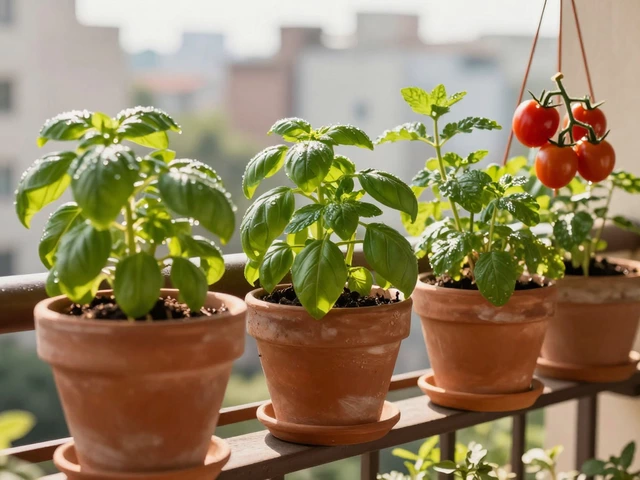
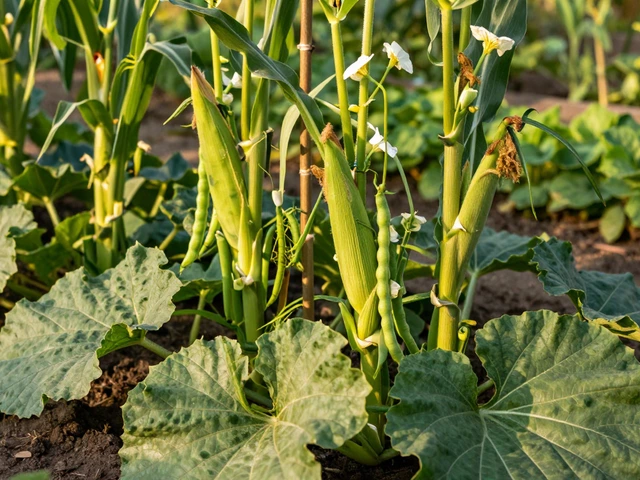
White rice is a type of paddy farming, the process of cultivating rice in flooded fields to control weeds and supply moisture, which requires a lot of water. That’s why many gardeners in dry regions struggle to grow it. But there’s a shift happening. New rice varieties, developed with biotech, need less water and can grow in containers or raised beds. These aren’t just for big farms anymore—urban gardeners in Bangalore, Delhi, and Hyderabad are starting to grow dwarf rice varieties on terraces and balconies. It’s not easy, but it’s possible. You need warm weather, at least 6 hours of sun, and soil that holds moisture without turning into mud. And yes, you can even grow rice in a 20-gallon bucket if you know how to manage the water.
What most people don’t realize is that white rice isn’t the only option. There are hundreds of rice varieties grown in India—some with red or black grains, others with nutty flavors or high nutrients. But white rice dominates because it stores well, cooks fast, and fits into everyday meals. Still, if you’re trying to garden sustainably, you might want to explore heirloom or biofortified rice strains that use less water and enrich the soil instead of depleting it. Biotech isn’t just about lab-grown crops—it’s about smarter planting, better soil health, and reducing waste. The same principles that help you fix compacted soil or use drip irrigation efficiently also apply to growing rice.
What you’ll find in the posts below isn’t a list of rice recipes or cooking tips. It’s a collection of real, practical gardening insights—how to manage water like a pro, how to improve soil for heavy feeders like rice, and how to use natural methods to keep pests away from your crops. You’ll see how drip systems, mulching, and composting can be adapted for rice cultivation. You’ll learn what works in India’s seasonal climate, and what doesn’t. Whether you’re growing rice for the first time or just curious about how your daily food is made, this collection gives you the tools to understand it better—without the fluff.
White rice, a popular staple in many diets, can have surprising impacts on cholesterol levels. This article delves into how its refined nature might contribute to cholesterol concerns and overall heart health. Learn about the differences between white and brown rice, and why integration of the latter might be beneficial. Discover tips on how to balance rice intake for better health results. Understand the role of fiber and nutrients in managing cholesterol effectively.