Xeriscape: Smart Water-Saving Gardening for India's Dry Climates
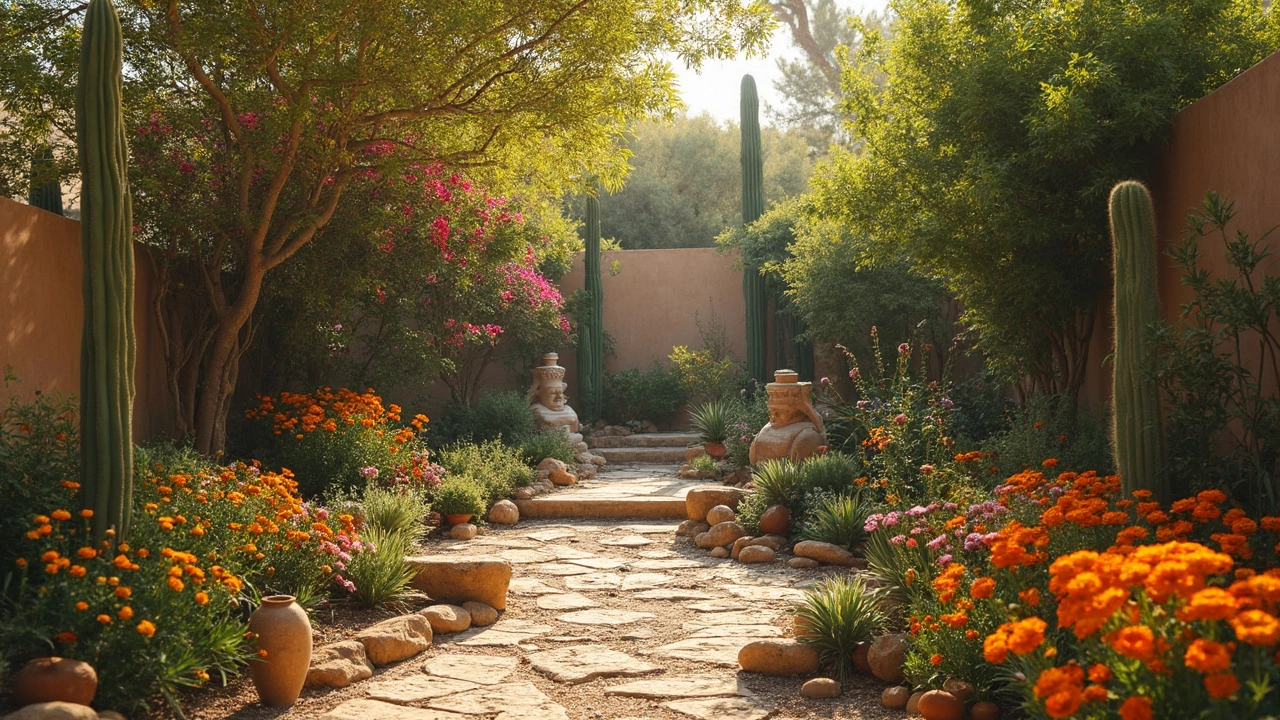
When you hear xeriscape, a landscaping method designed to reduce or eliminate the need for supplemental water from irrigation. Also known as water-wise gardening, it’s not just about rocks and cacti—it’s a smart, science-backed way to grow healthy plants in places where water is scarce, like much of India. Most gardeners assume dry climates mean less gardening. But xeriscape flips that idea: it’s about choosing the right plants, arranging them wisely, and using water only when it truly matters.
This approach works because it connects three key ideas: drought-tolerant plants, species that survive long dry spells with minimal care, soil conservation, how healthy, mulched soil holds moisture and reduces runoff, and drip irrigation, a system that delivers water straight to plant roots, avoiding waste. These aren’t separate tricks—they’re parts of one system. You can’t have a true xeriscape without all three. For example, planting a drought-tolerant succulent in compacted soil with a sprinkler? That’s not xeriscape. That’s a missed opportunity. But plant it in loose, compost-rich soil, cover it with mulch, and water it with a slow drip system? That’s how you grow a garden that thrives on less.
India’s weather patterns are shifting. Monsoons are unpredictable, groundwater is dropping, and tap water costs are rising. That’s why more home gardeners and small farms are turning to xeriscape—not because they have to, but because it’s smarter. You don’t need a desert to use it. Even in places like Rajasthan or Telangana, where summer temperatures hit 45°C, people are growing colorful flowers, edible herbs, and even fruiting shrubs using these methods. And it’s not just about saving water. It’s about saving time, money, and effort. No more daily watering. No more brown patches. No more guilt over high bills.
The posts below show exactly how this works in real gardens. You’ll find tips on fixing compacted soil so it holds water better, how drip systems can be fine-tuned to avoid overwatering, and which plants actually survive India’s heat without begging for daily drinks. Some even show how to combine xeriscape with rainwater harvesting or homemade compost to build soil that feeds itself. This isn’t theory. It’s what people are doing right now—successfully, affordably, and sustainably.
Xeriscaping, a landscaping method that reduces or eliminates the need for irrigation, seems like the perfect way to conserve water and maintain a sustainable garden. Yet, its initial expense can be surprisingly high, often deterring enthusiastic gardeners. This article explores the reasons behind the cost of xeriscaping, examining factors like materials, design complexity, and specialized labor. It also offers practical tips for maintaining a budget while still achieving an effective xeriscape.