Native Vegetables and Garden Care in November 2025
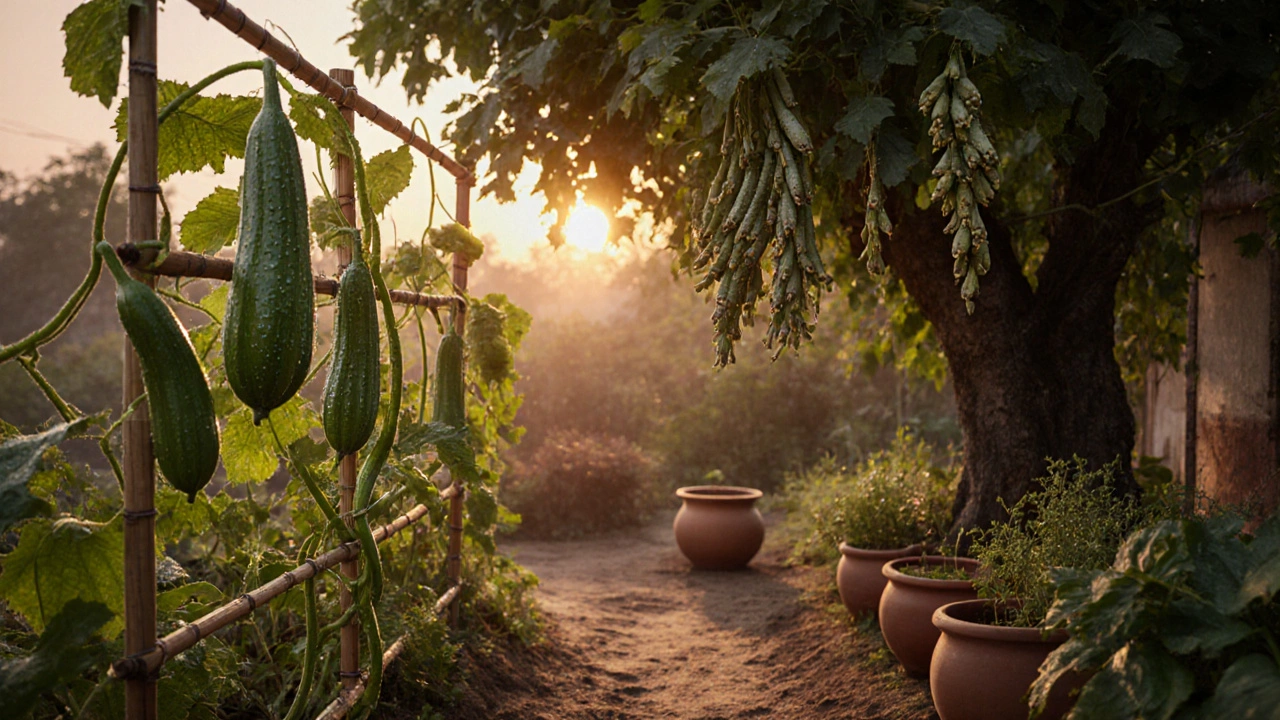
When it comes to native vegetables India, plants that have grown in the region for centuries without needing foreign seeds or heavy inputs. Also known as traditional Indian vegetables, they are the backbone of low-effort, high-reward gardens across the country. These aren’t just nostalgic choices—they’re the most resilient crops for India’s changing climate. Bitter gourd, drumstick, and snake gourd don’t just survive monsoons and heatwaves—they thrive. And in November 2025, gardeners were doubling down on them because they need less water, resist local pests, and feed families without expensive inputs.
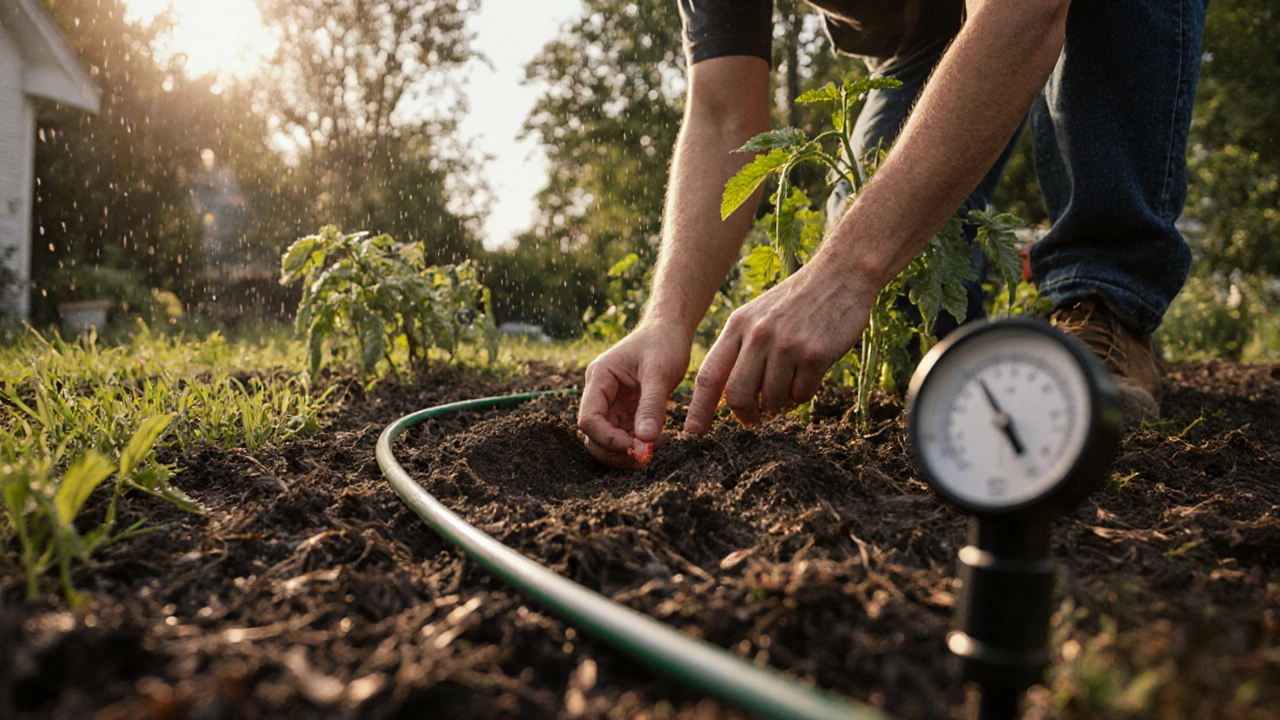
But growing these crops right means understanding what else is happening in the soil and around your plants. compacted soil, dense, hard earth that blocks roots and water. Also known as hard soil, it’s the silent killer of even the toughest native plants. Without proper aeration and organic matter, even the best seeds won’t sprout. That’s why fixing soil became one of the top topics this month. Then there’s drip irrigation, a system that delivers water slowly to plant roots. Also known as precision watering, it’s powerful—but running it every day? That’s how you drown your plants. November’s advice was clear: check the soil, not the calendar. Water only when dry, and let nature reset the rhythm.
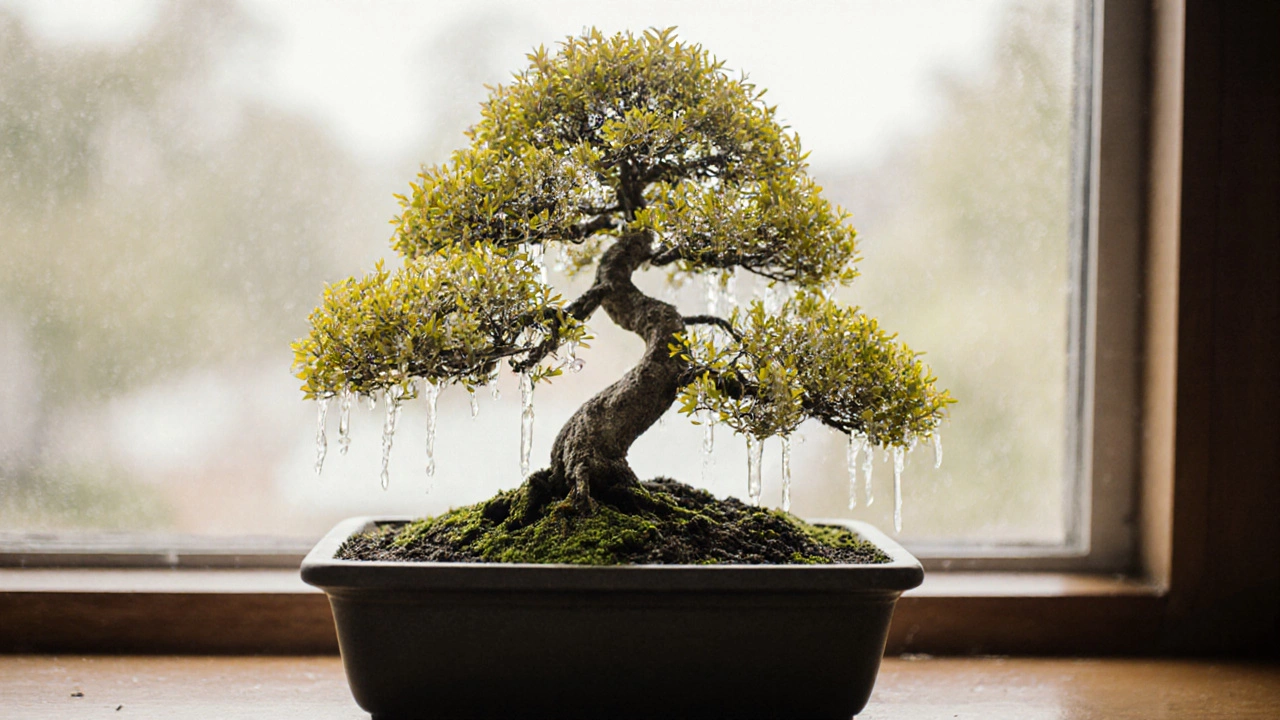
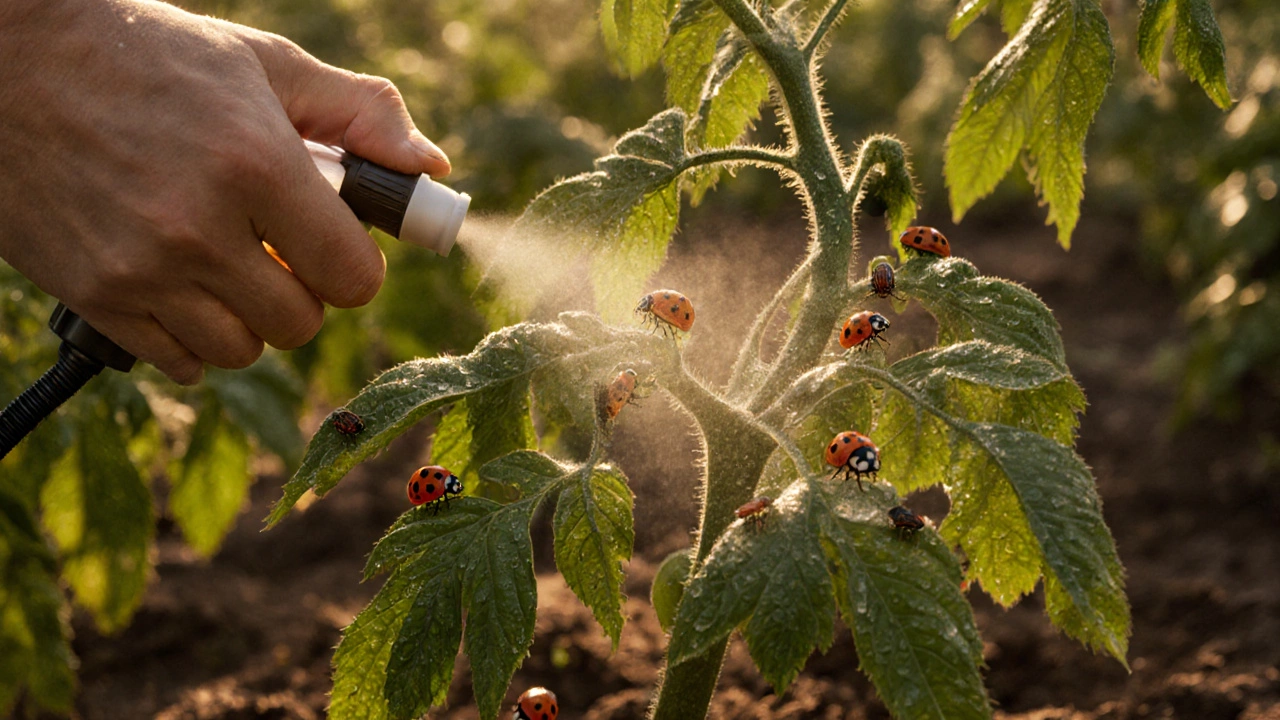
And when pests show up? You don’t need chemicals. neem oil, a natural extract from the neem tree that stops insects without harming bees or soil life. Also known as botanical insecticide, it’s the most trusted tool for organic gardeners in India. It works on aphids, whiteflies, and even mites that target your drumstick or bitter gourd. Meanwhile, bonsai lovers were learning how to spot overwatering before it was too late—yellow leaves and soggy roots aren’t just ugly, they’re signs your tree is dying. And if you’re dreaming of growing durian, you need to know it’s not just expensive—it’s a marathon, not a sprint.
This month’s posts didn’t just list tips—they showed you how to connect the dots. Growing native vegetables means understanding your soil. Watering wisely means watching your plants, not your clock. Fighting pests means using what’s already in your backyard. It’s not about buying more tools. It’s about using what you have, better. What you’ll find below are the real stories, the mistakes, and the fixes that made November 2025 a turning point for hundreds of Indian gardeners.
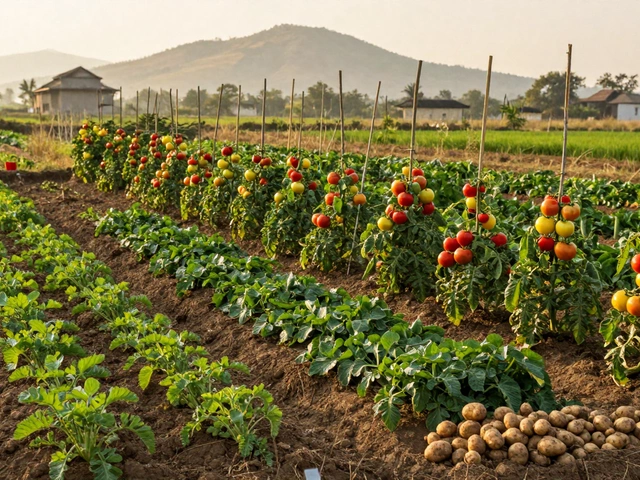
Discover which vegetables are truly native to India and why growing them makes your garden more resilient, nutritious, and connected to local food traditions. Learn how to grow bitter gourd, drumstick, snake gourd, and other indigenous crops with minimal effort.
Running drip irrigation every day is usually a mistake. Learn the right schedule for your plants, how to check soil moisture, and how to adjust for seasons and weather in the UK.
Overwatering is the most common cause of bonsai death. Learn the subtle signs-yellowing leaves, soggy soil, mushy roots-and how to save your tree before it's too late.
Neem oil is the most powerful natural insecticide, proven to stop pests without harming bees, pets, or soil. Learn how it works, how to use it, and why other natural options fall short.
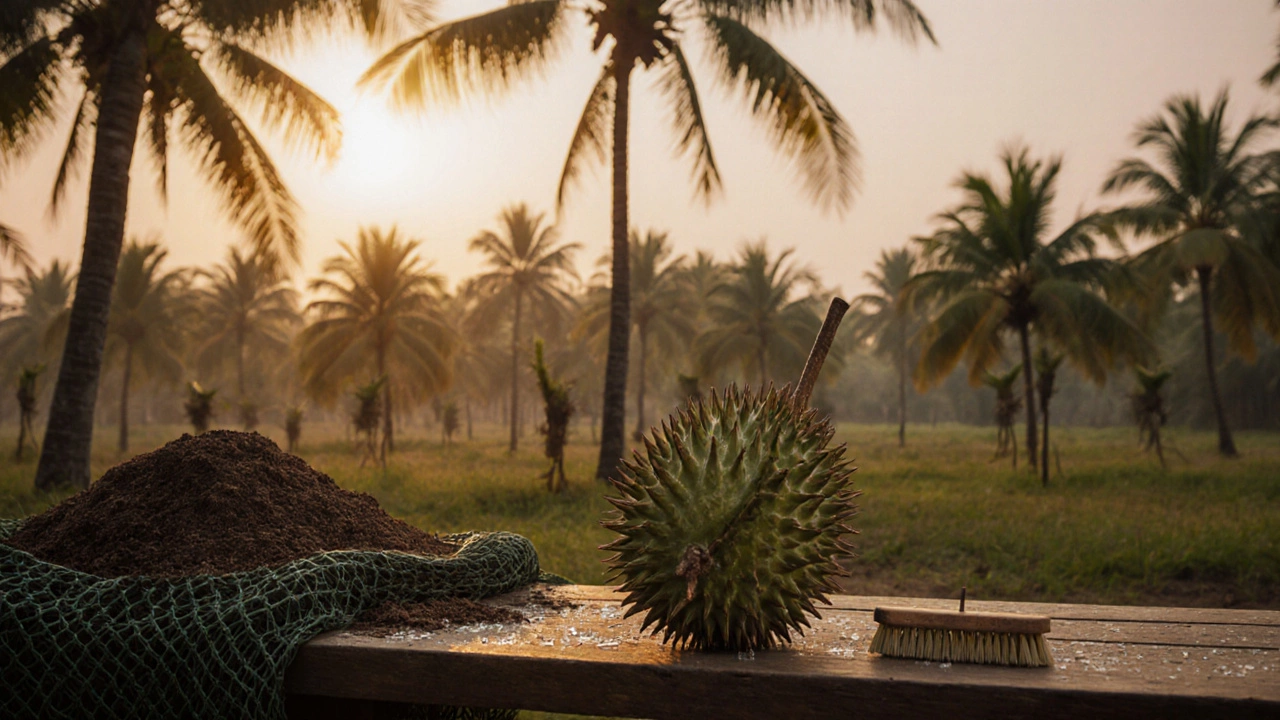
Durian is India's costliest fruit, grown locally in southern states. It commands high prices due to its rarity, long growth cycle, and cult following. Learn why gardeners are planting it and how to grow it successfully.
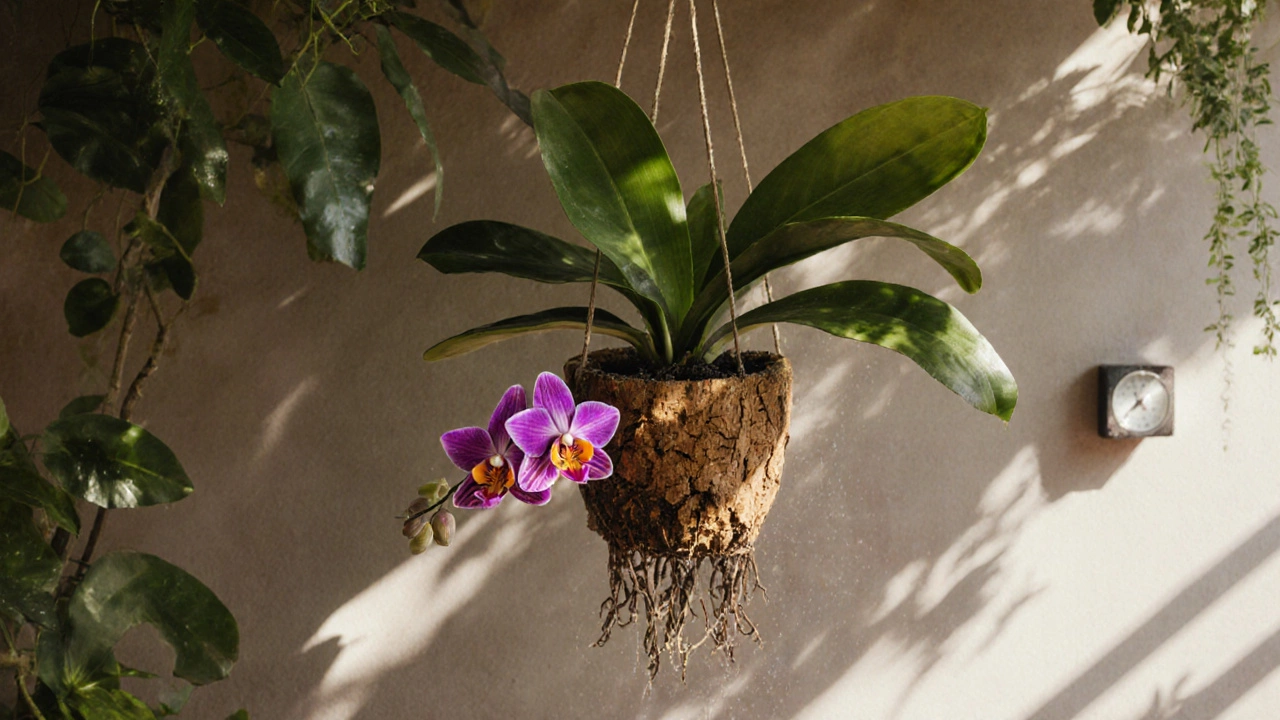
The Vanda orchid is the toughest plant to grow in India due to its exacting needs for humidity, temperature, and airflow. Most gardeners fail because they treat it like a regular houseplant. Here’s what actually works.
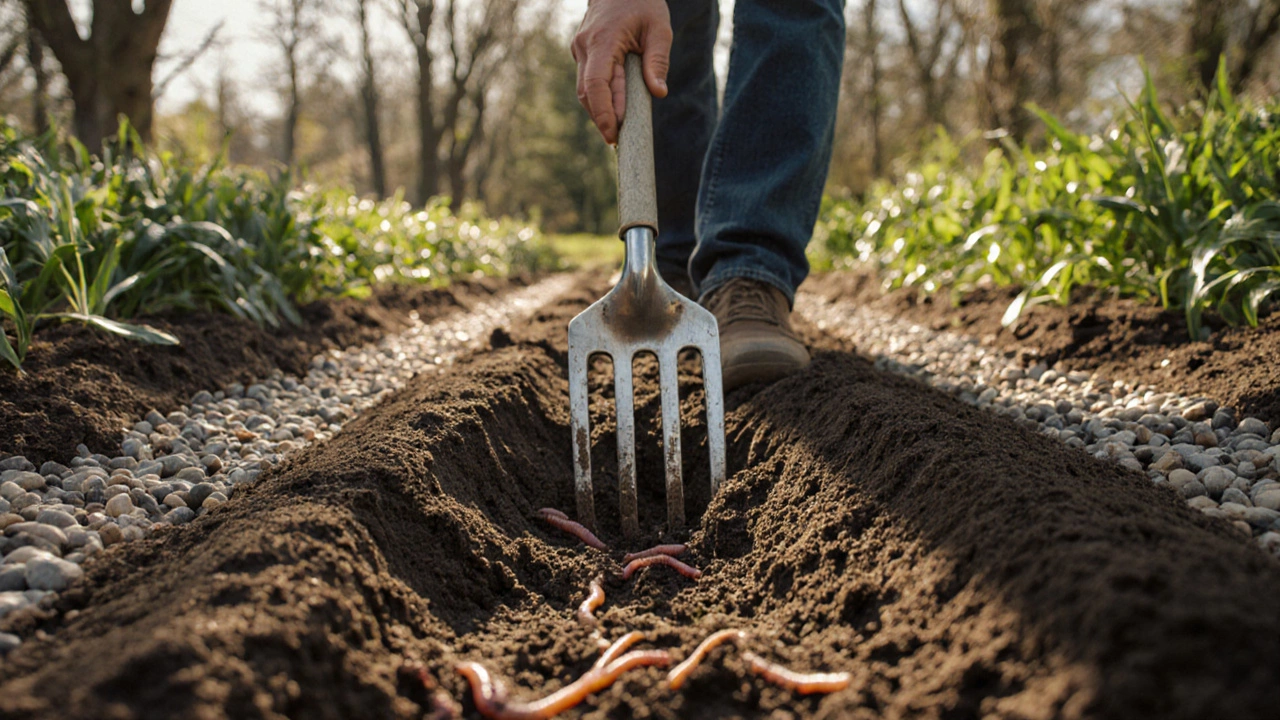
Fix compacted soil naturally with aeration, compost, and mulch. Learn how to restore garden soil for healthier plants, better drainage, and stronger root growth without expensive tools or chemicals.