Nutrition for Plants: What They Really Need to Thrive
When we talk about plant nutrition, the supply of essential elements that support growth, flowering, and disease resistance. Also known as plant feeding, it’s not just about dumping fertilizer on the soil—it’s about understanding what your plants are actually missing. Most gardeners in India think giving more water or chemical feed means healthier plants. But that’s like giving sugar to someone with a vitamin deficiency. The real issue? Poor soil health, the living ecosystem of microbes, organic matter, and minerals that make nutrients available to roots. Without good soil, even the best fertilizer just washes away or sits unused.
Look at the posts here: overwatered bonsai, compacted soil, reviving old garden dirt—these aren’t just watering or planting mistakes. They’re all signs of broken nutrient cycles, the natural process where organic matter breaks down and feeds plants over time. Your plant isn’t dying because you forgot to water. It’s dying because the soil can’t deliver what it needs. That’s why homemade fertilizers, compost, and mulch show up so often in these articles. They’re not fancy tricks—they’re fixes for broken systems. Neem oil? It’s not just a pesticide. It helps protect the soil microbes that break down nutrients. Rainwater harvesting? It’s not just about saving water—it’s about avoiding salt buildup that blocks nutrient uptake.
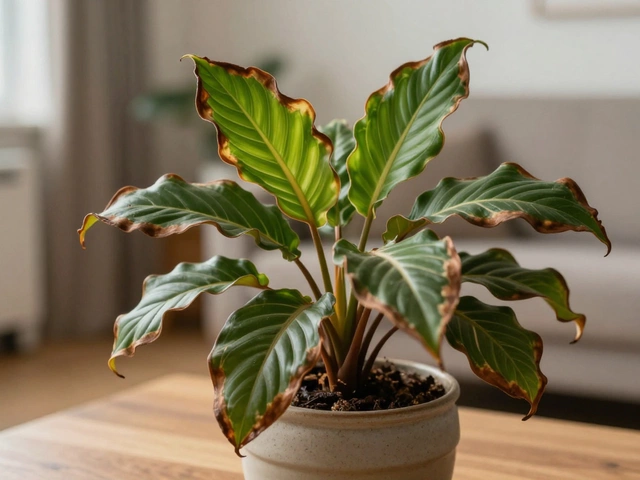
Indian gardens face unique challenges. Monsoon rains wash away nutrients. Dry spells lock them in the soil. Urban balconies have no natural soil at all. That’s why the solutions here aren’t one-size-fits-all. You can’t treat a Vanda orchid like a tomato plant. You can’t use the same compost recipe for a terrace garden in Chennai as you would in Delhi. But the core truth stays the same: nutrition isn’t about what you add—it’s about what the soil can give. The posts below show you how to read the signs of hunger in your plants—yellow leaves, stunted growth, poor flowering—and fix them without expensive products. You’ll learn how to test your soil, build living dirt, and use everyday items like banana peels or eggshells to fill the gaps. No jargon. No fluff. Just what works in real Indian gardens, season after season.
Explore why the deep‑fried Twinkie is considered the world’s most unhealthy food, its nutrition nightmare, health risks, and how it compares to other junk foods.