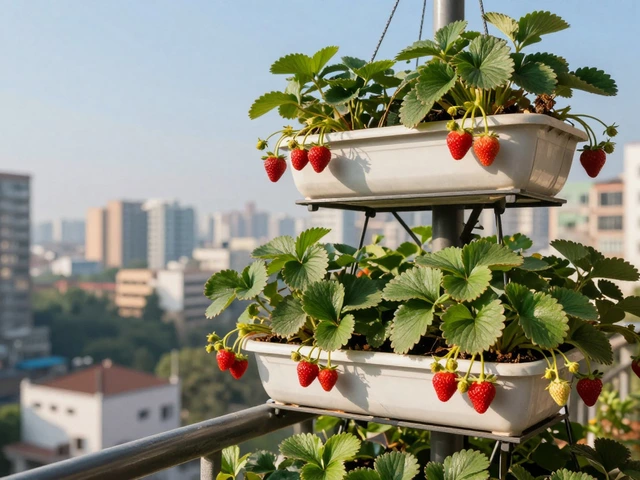
Poor Man's Crop: Affordable, Smart Gardening for Small Spaces
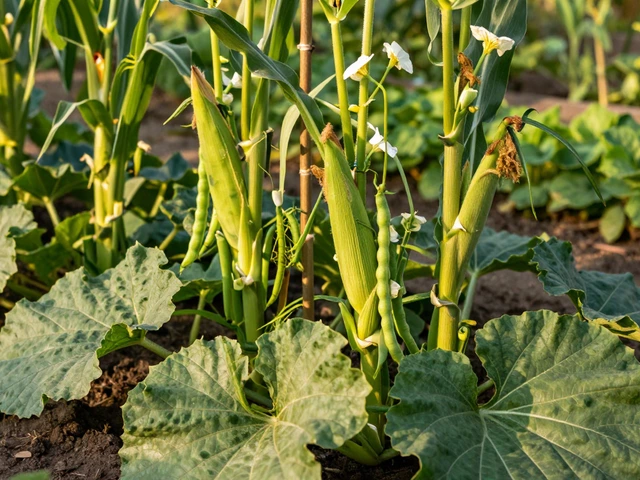
When people talk about a poor man's crop, a low-cost, high-yield plant grown by small-scale farmers and home gardeners with limited resources. Also known as folk crop, it’s not about poverty—it’s about smart use of what’s already available. In India, this means plants like amaranth, moringa, cluster beans, or even kitchen scraps turned into compost that feed your garden for free. These aren’t fancy imports. They’re tough, local, and grow where money and tools are scarce.
A poor man's crop, a low-cost, high-yield plant grown by small-scale farmers and home gardeners with limited resources. Also known as folk crop, it’s not about poverty—it’s about smart use of what’s already available. thrives when you fix compacted soil, dense, hard ground that blocks roots and water flow with compost and mulch. It needs less water, so rainwater harvesting, collecting and storing rain for garden use makes sense. You don’t need drip systems or expensive fertilizers—just good soil, smart timing, and natural neem oil, a plant-based insecticide that kills pests without harming bees or soil to keep bugs away. These crops are the backbone of backyard gardens in villages and urban balconies alike because they don’t ask for much but give back a lot.
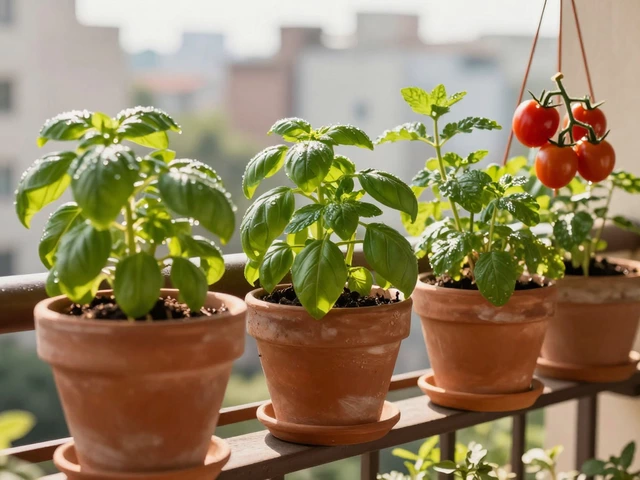
What makes a crop a poor man's crop isn’t the seed price—it’s how it fits into your space, your climate, and your daily routine. You’ll find it in the same posts that show you how to grow veggies on a 10x10 patio, how to revive tired soil without chemicals, or why a simple soaker hose beats a complex drip system. These aren’t theoretical ideas. They’re what real people in India use every day to eat well, save money, and grow food without waiting for a big budget. The posts below cover exactly that: how to grow more with less, how to use what you already have, and how to turn waste into wealth—no fancy tools required.
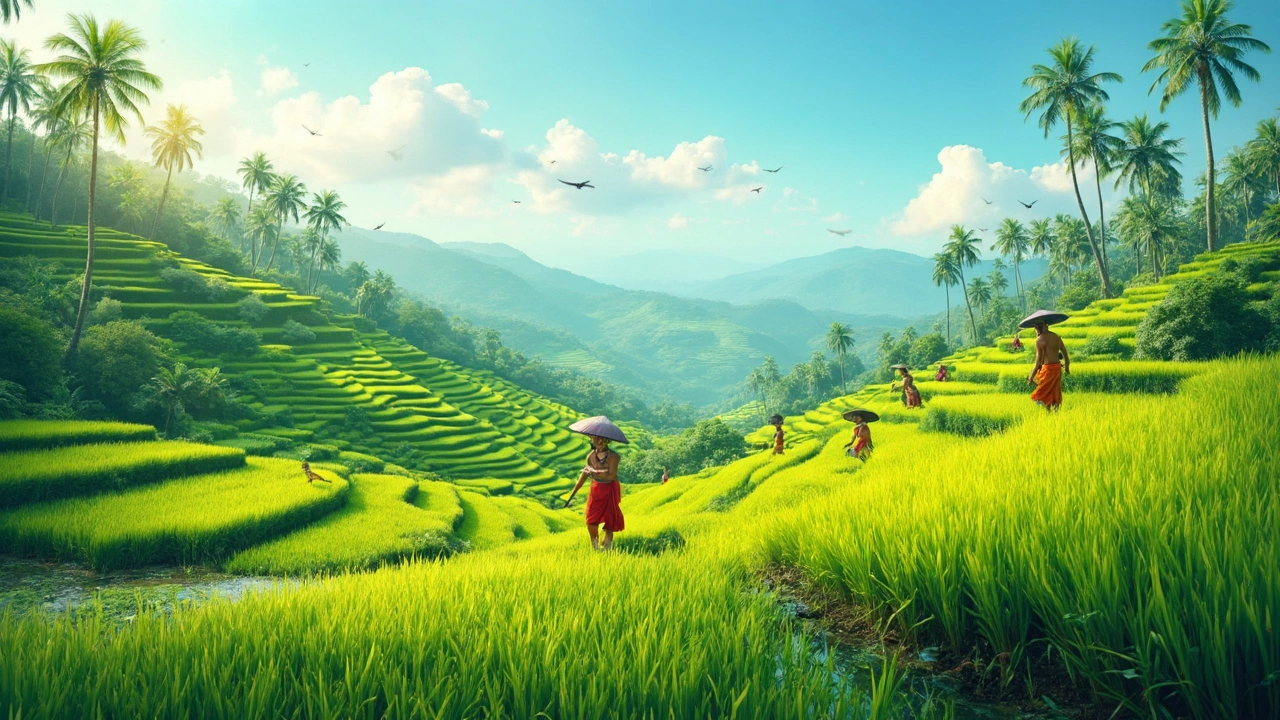
Rice, often referred to as the 'poor man's crop,' plays a crucial role in global agriculture due to its adaptability and nutritional value. Known for its low cultivation cost and ability to thrive in diverse environments, rice provides sustenance to millions worldwide. This article explores the reasons behind rice's reputation, fascinating facts about its cultivation, and practical farming tips for those interested in this versatile grain.