Ultra-Processed Foods: What They Are and How They Hurt Your Garden and Health
When you hear ultra-processed foods, industrial food products made mostly from substances extracted from foods, with added chemicals, sugars, and preservatives. Also known as ultra-processed items, they’re designed for long shelf life, not nutrition or sustainability. These aren’t just bad for your body—they’re bad for your garden. Every bag of chips, packet of instant noodles, or sugary drink you buy adds pressure to a broken food system that relies on chemical farming, monocrops, and synthetic fertilizers. That’s the same system that strips soil of microbes, pollutes waterways, and makes it harder to grow real food at home.
The rise of artificial additives, synthetic chemicals added to food to mimic flavor, color, or texture like high-fructose corn syrup, sodium nitrate, and hydrogenated oils doesn’t just clog your arteries—it clogs the soil too. These chemicals find their way into runoff, seep into groundwater, and end up in the very compost you might be trying to make. When you use store-bought fertilizers made from petrochemicals to grow tomatoes, you’re using the same industrial logic that created those packaged snacks. And when you buy those snacks, you’re funding factories that destroy biodiversity, not build healthy soil.
nutritional decline, the steady drop in vitamins, minerals, and phytonutrients in food over the last 50 years isn’t just a health issue—it’s a gardening issue. If your soil is depleted, your plants won’t be nutrient-dense. If your plants aren’t nutrient-dense, you’ll keep reaching for those ultra-processed snacks because your body isn’t getting what it needs. It’s a loop: bad soil → weak plants → poor nutrition → cravings for fake food → more chemical farming → worse soil. Breaking it starts with what you grow in your own garden, not what you buy in plastic.
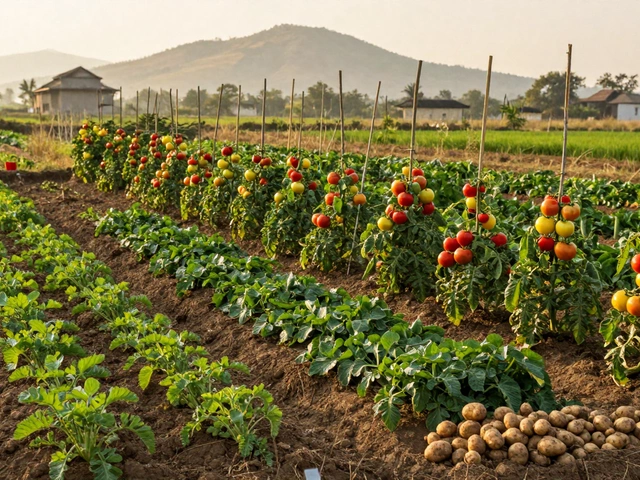
Look at the posts below. They’re not about snacks. They’re about fixing soil, saving water, using natural insecticides like neem oil, and growing real food in small spaces. These are the antidotes to the ultra-processed food system. When you learn how to aerate compacted soil, harvest rainwater, or grow vegetables on a balcony, you’re choosing a different path—one that feeds your body and the earth at the same time. You’re not just gardening. You’re rejecting a broken system, one tomato, one compost bin, one drip emitter at a time.
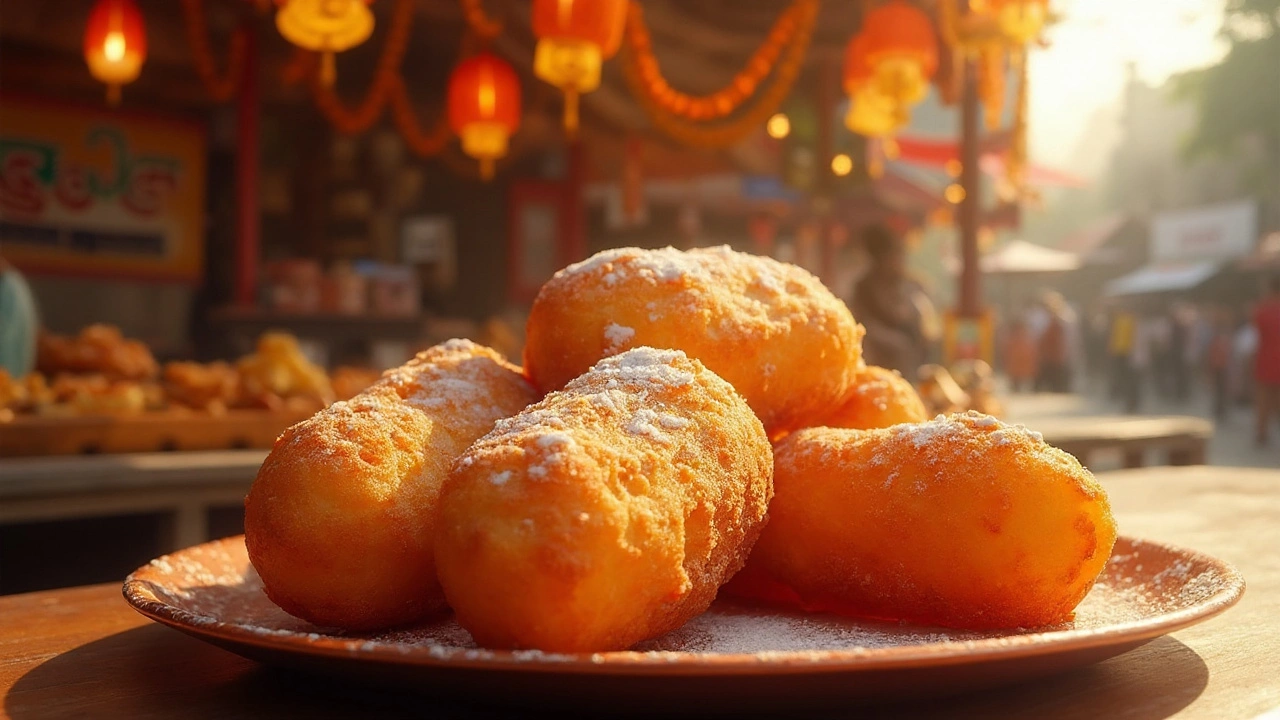
Explore why the deep‑fried Twinkie is considered the world’s most unhealthy food, its nutrition nightmare, health risks, and how it compares to other junk foods.