Balcony Gardening: Grow More in Small Spaces with Smart Tips
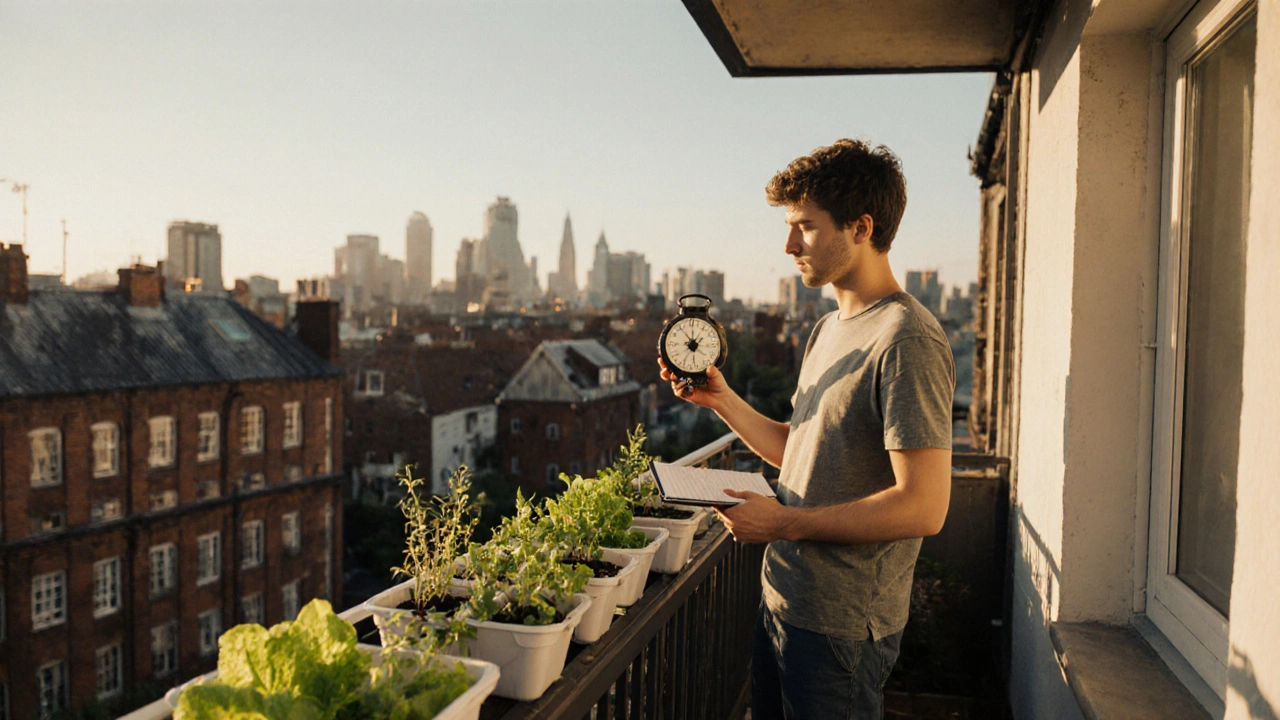
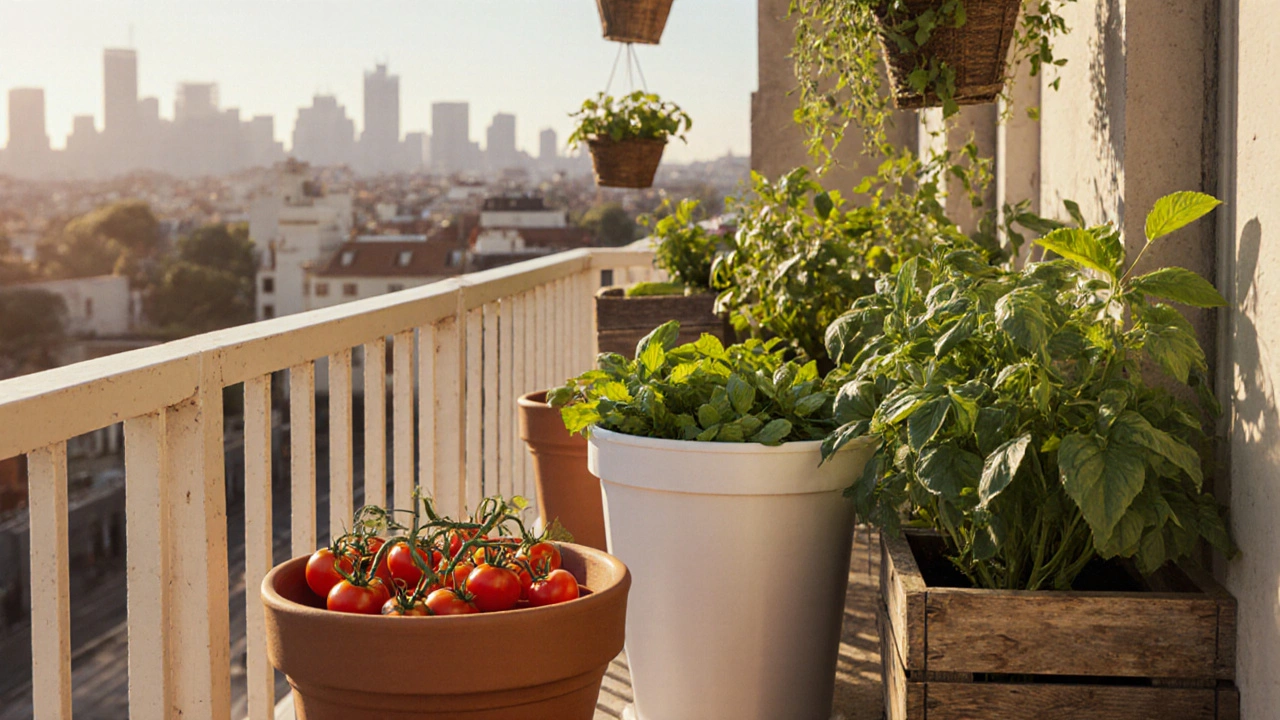
When you live in a city and don’t have a yard, balcony gardening, the practice of growing plants on balconies to create functional, beautiful green spaces in urban environments. Also known as container gardening, it’s not just a trend—it’s a practical way to grow food, calm your mind, and bring nature into your daily life. You don’t need a big space. You just need the right plants, the right setup, and a little know-how. Many people think balconies are too hot, too windy, or too small to grow anything meaningful. But that’s not true. With the right choices, even a 3x3 meter balcony can feed a family with fresh herbs and veggies, or become a quiet retreat with lush greenery.
container gardening, growing plants in pots, planters, or hanging baskets instead of in the ground. Also known as small space gardening, it’s the backbone of balcony gardening. The key is picking containers that match your plant’s roots—deep pots for tomatoes, shallow ones for herbs. And don’t forget drainage. A pot without holes is a death sentence for roots. urban gardening, the movement of growing food and plants in cities using limited spaces like balconies, rooftops, and windowsills. It’s not just about food. It’s about reclaiming your connection to nature in places where concrete dominates. People in Mumbai, Delhi, Bangalore, and Kolkata are doing this every day—growing chillies on fire escapes, mint on window ledges, money plants trailing from railings. These aren’t hobbies. They’re lifelines.
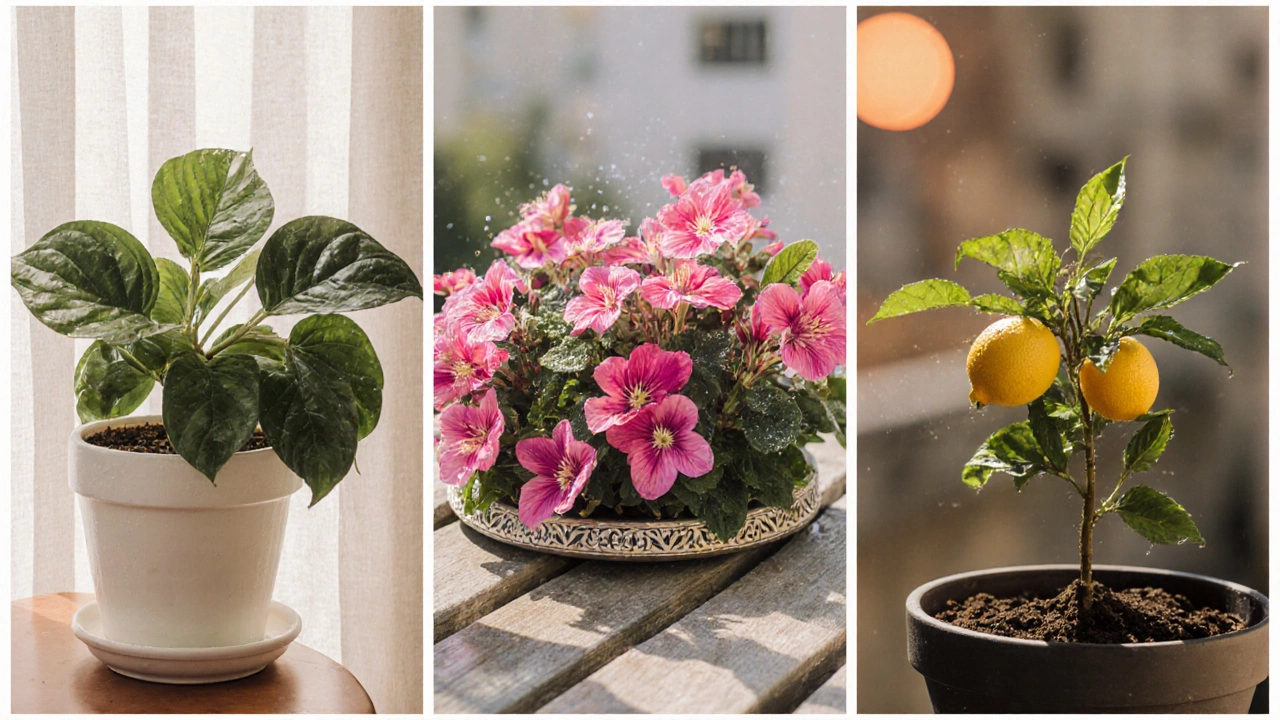
Light is your biggest challenge. Most balconies get either full sun or almost no sun. That’s why you need to match plants to your light, not the other way around. If your balcony bakes under the sun all day, go for succulents, tomatoes, or rosemary. If it’s shaded most of the time, pick snake plants, pothos, or mint. Watering is another thing people get wrong. Balcony plants dry out fast, especially in summer. A watering can isn’t enough—you need to think about self-watering pots, drip systems, or even rainwater collection. And don’t ignore pests. Aphids love balcony herbs. A quick spray of soapy water beats chemicals every time.
Privacy, shade, and style matter too. If your neighbors can see right into your space, tall plants like bamboo or privacy vines make a natural screen. If the sun turns your balcony into an oven, a shade sail or a retractable awning can turn it into a cool retreat. You don’t need fancy furniture. A couple of cushions, a small table, and some string lights can turn your balcony into a place you actually want to sit in.
What you’ll find below isn’t just a list of articles. It’s a real-world guide built by people who’ve done this themselves—growing veggies in 5-gallon buckets, turning dark corners into thriving plant zones, fixing leaky pots, and making their balconies the most loved spot in their homes. Whether you’re starting with one pot of basil or planning a full vertical garden, there’s something here that works for your space, your time, and your budget. No fluff. No theory. Just what actually grows, what actually works, and how to make your balcony feel like home.
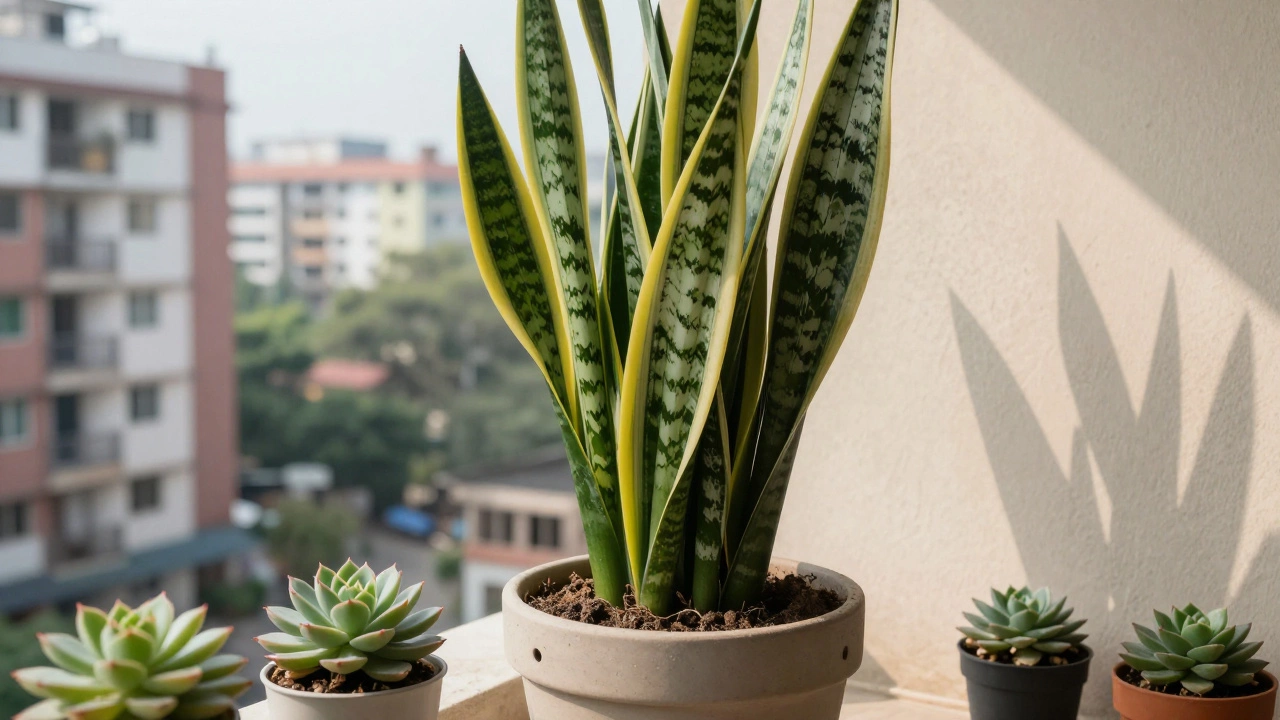
The snake plant is the most low-maintenance plant for balcony gardens - thriving on neglect, needing water only every few weeks, and surviving in low light. Perfect for busy people, it cleans the air and requires almost no care.
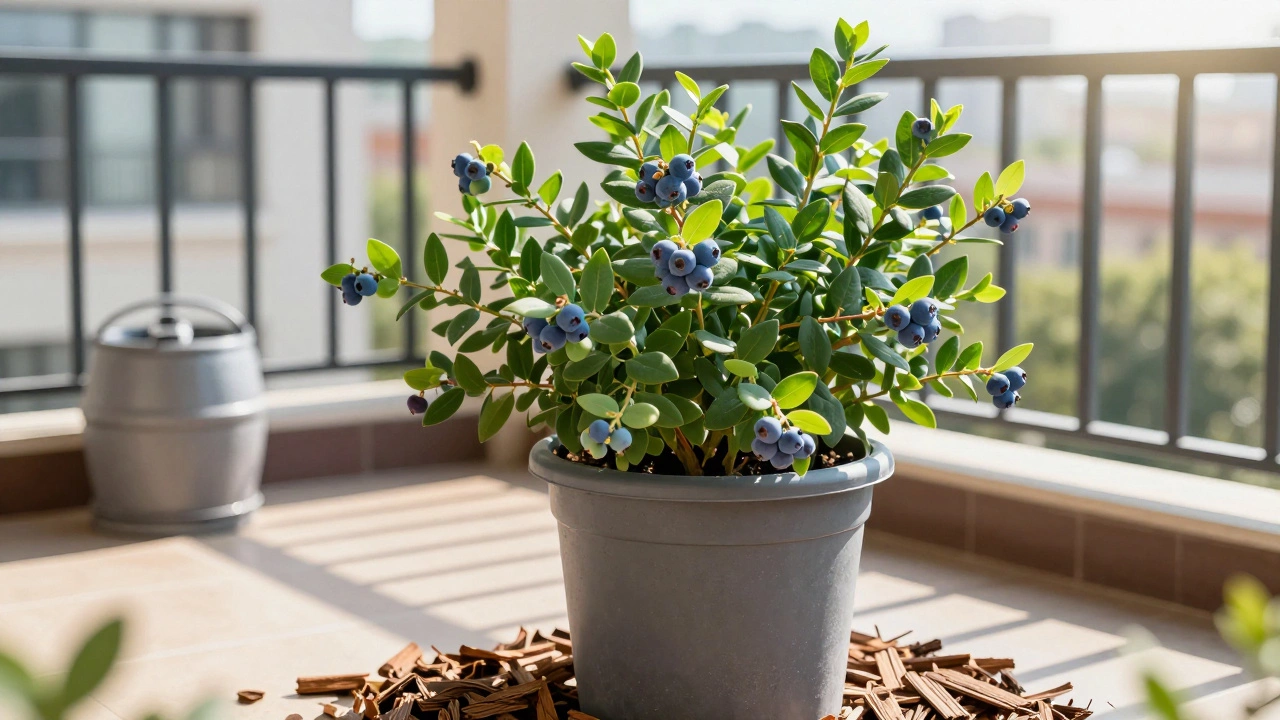
You can grow blueberries on your balcony-even in Manchester. With the right pot, acidic soil, and sunlight, you’ll harvest sweet berries in just 2-3 years. Here’s how to do it right.
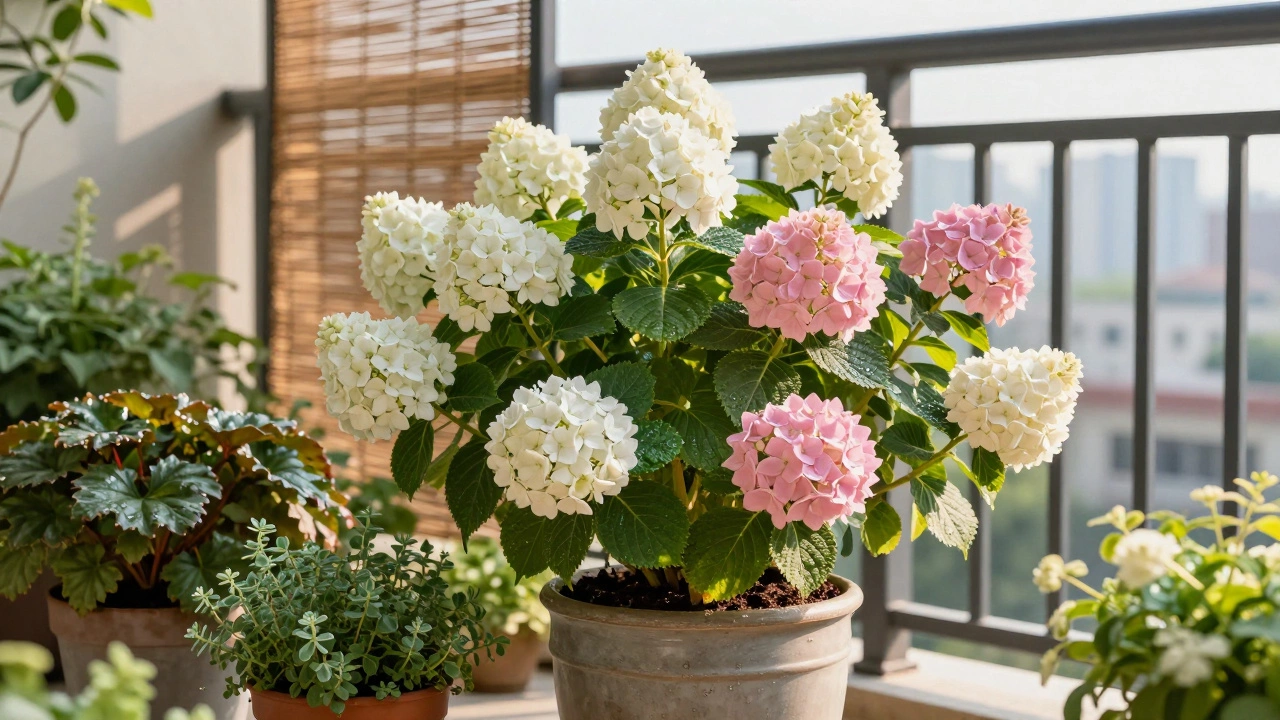
Hydrangeas can thrive on balconies with the right variety, pot size, and care. Learn which types work best, how to water them, where to place them, and how to survive winter in containers.
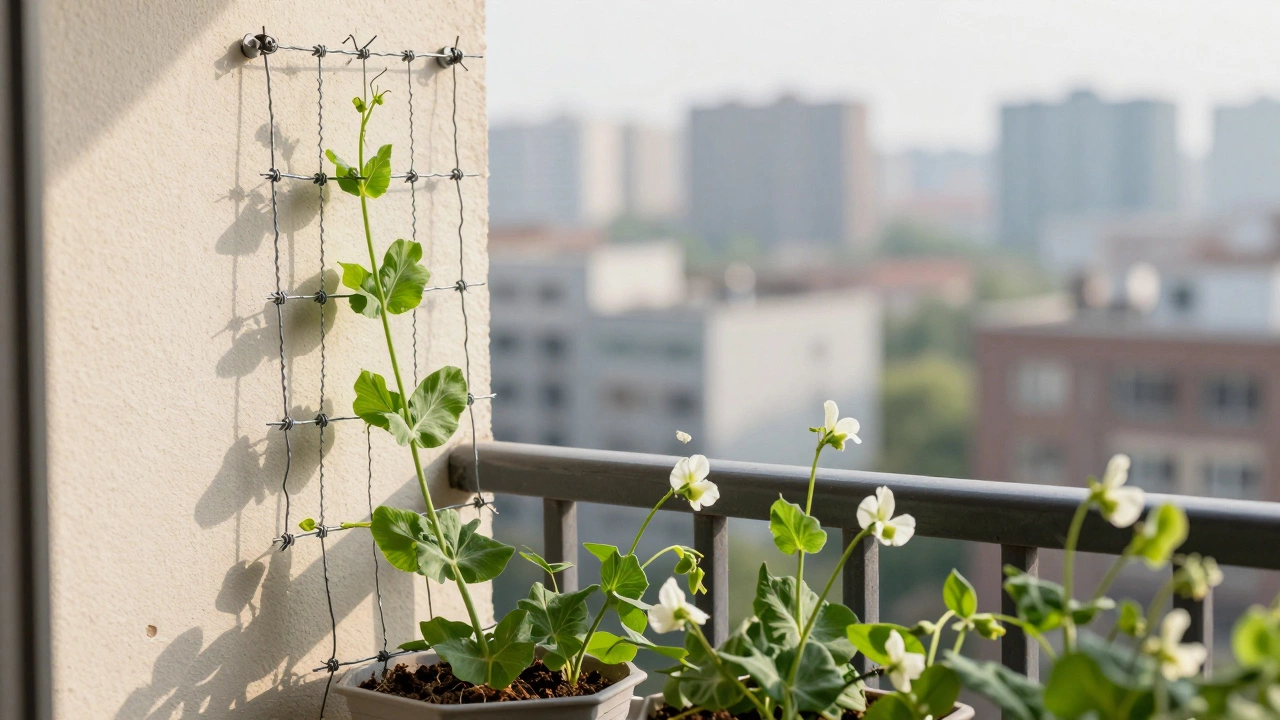
Yes, chicken wire makes an excellent, low-cost trellis for balcony gardens. It's perfect for peas, beans, cucumbers, and small tomatoes. Learn how to install it safely and which plants work best.
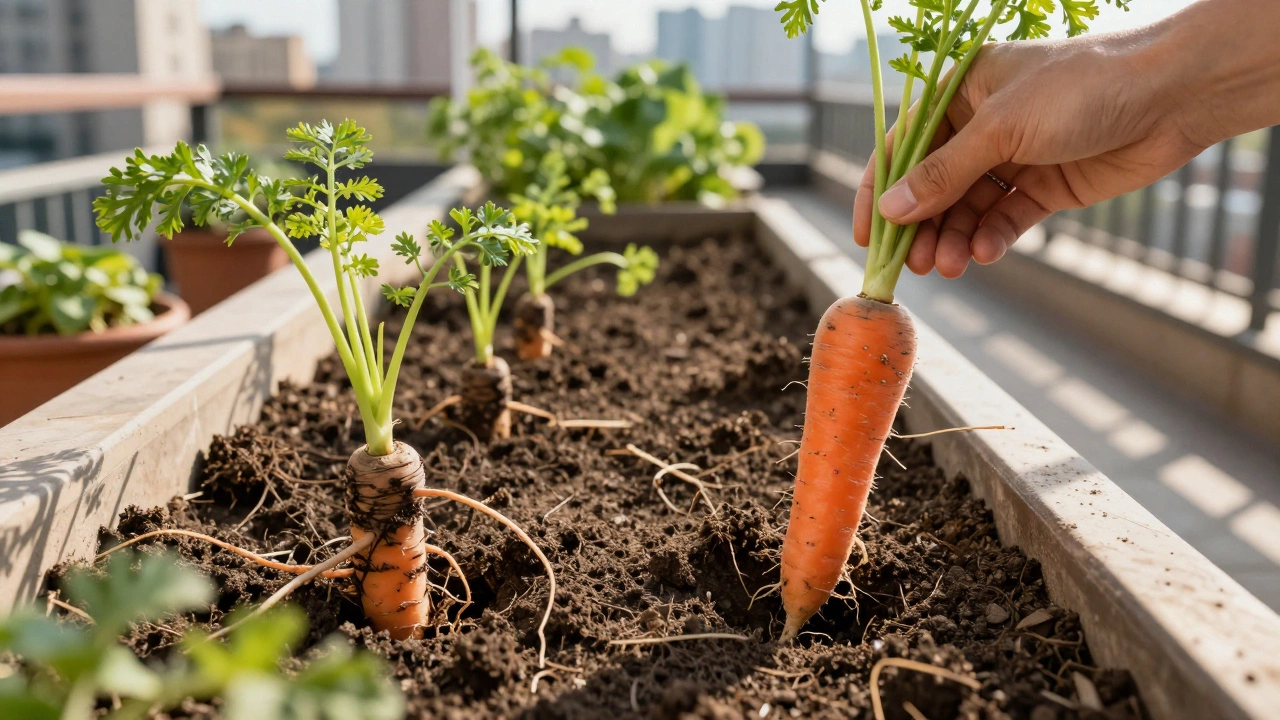
Some vegetables like broccoli, carrots, and corn are notoriously hard to grow on balconies due to space, soil, and climate limits. Learn which ones to avoid-and what to plant instead for better results.
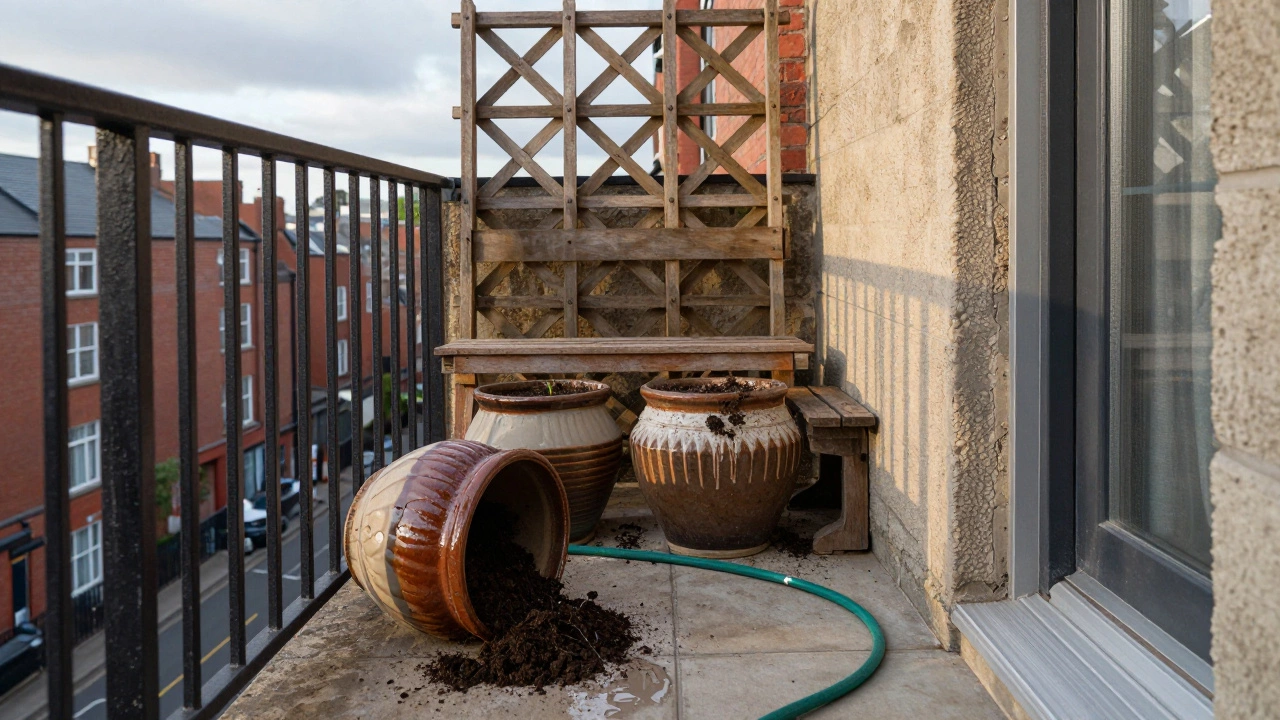
Balcony gardening offers green space in cities, but it comes with real challenges: wind, weight limits, constant watering, poor soil, and pests. Learn the hidden downsides and how to work with them - not against them.
Learn which plants to avoid in raised garden beds on balconies-deep roots, tall crops, and aggressive spreaders that fail in shallow, windy conditions. Grow smarter, not harder.
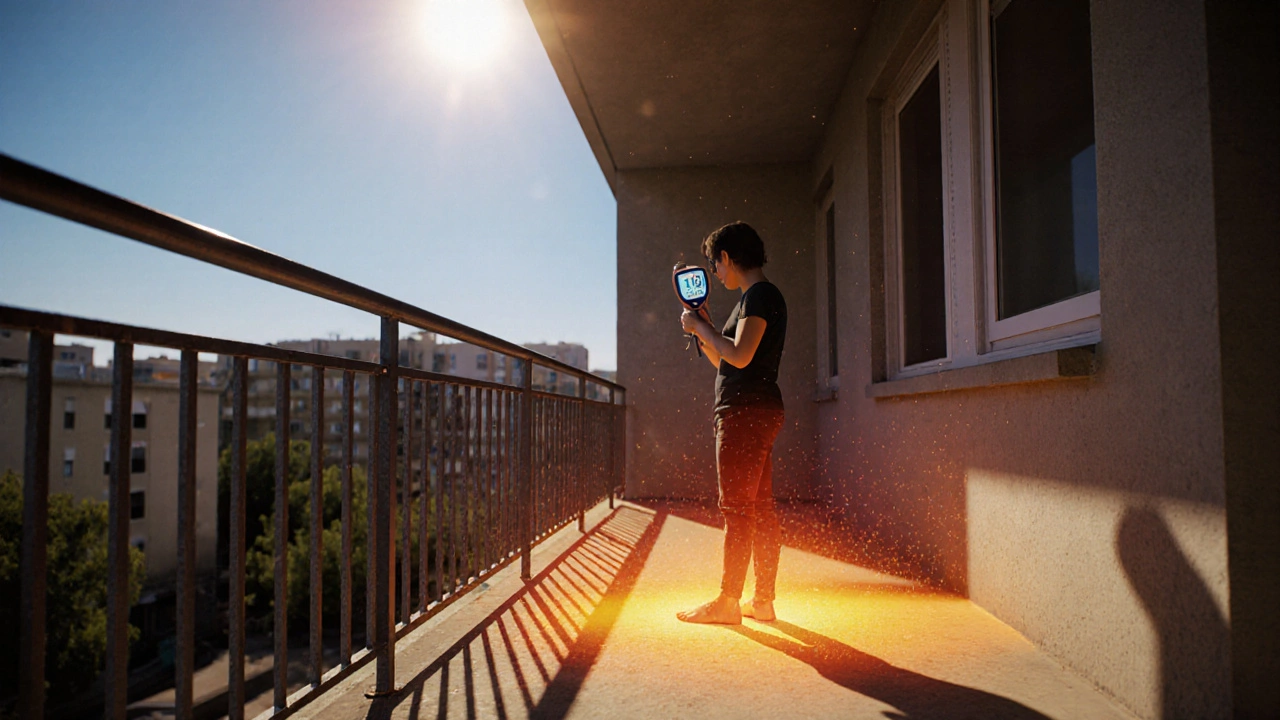
Learn practical ways to cool a hot balcony, from shade sails and reflective paint to misting systems and solar fans, with step‑by‑step tips and a comparison chart.
Learn how to grow vegetables on a Manchester balcony with step‑by‑step tips on light, containers, soil, watering, and pest control for a thriving small‑space garden.
Turn a dull balcony into a stylish mini garden with practical tips on plants, containers, lighting, flooring, and maintenance for a beautiful year‑round space.
Discover the best vegetables for balcony gardening, learn container setup, light, water, and pest tips, and start harvesting fresh produce from your small outdoor space.