Vegetable Gardening in India: Best Crops, Profit Tips, and Smart Techniques
When you think of vegetable gardening, the practice of growing edible plants at home or on small plots for food and income. Also known as home farming, it’s not just a hobby in India—it’s a way millions feed their families and earn a living. From balconies in Mumbai to backyard plots in Punjab, people are turning every inch of space into a source of fresh food. And it’s not just about eating healthier. With rising market prices and unpredictable supply chains, growing your own vegetables is smarter than ever.
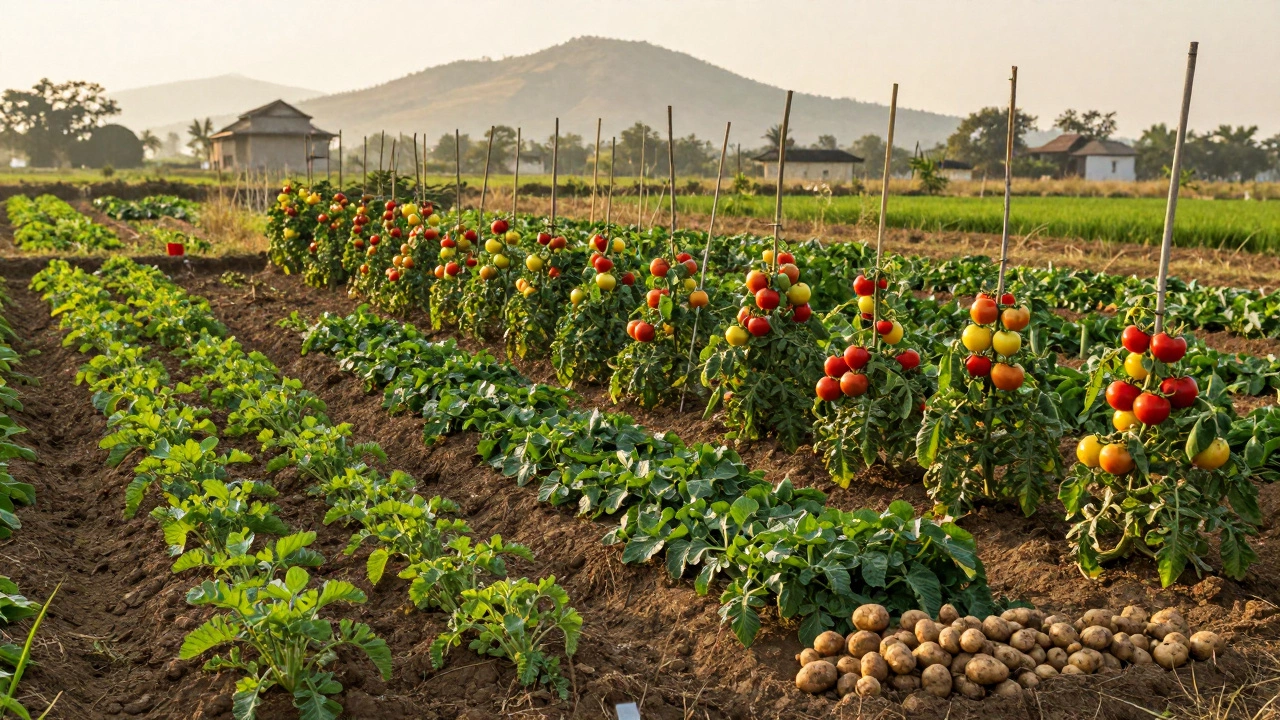
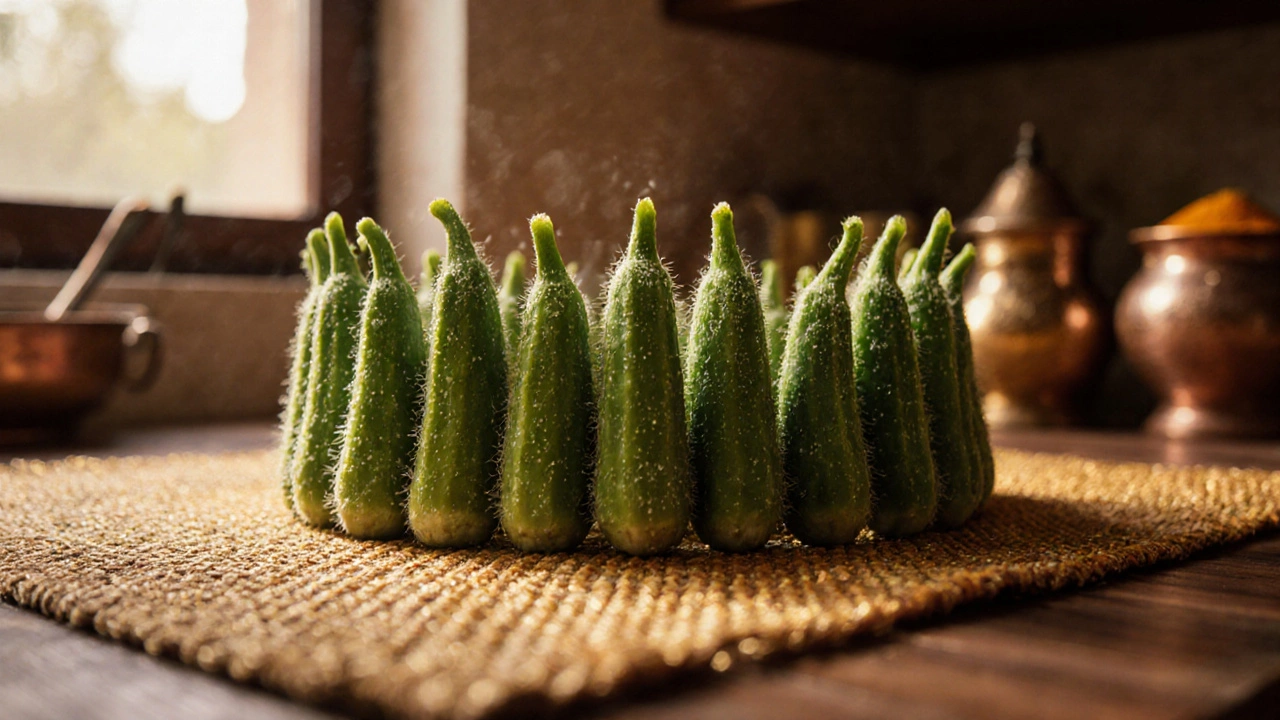
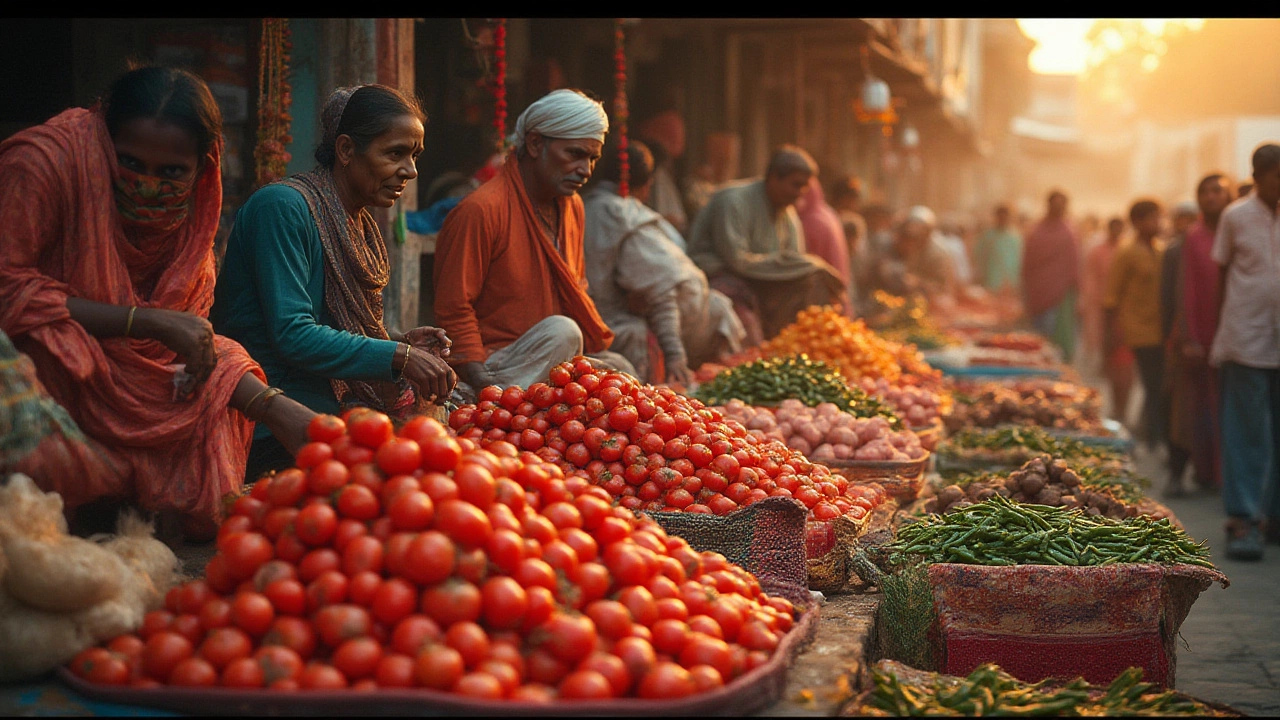
What makes Indian vegetable gardening unique? It’s the mix of tradition and innovation. You’ve got crops like okra, a heat-tolerant, fast-growing vegetable central to Indian curries and known locally as bhindi, thriving alongside imported favorites like tomatoes, a fruit-turned-vegetable that transformed Indian kitchens after arriving from the Americas. These aren’t just plants—they’re economic engines. Some farmers make more from a small tomato patch than from traditional grains. And it’s not just about quantity. The real winners are the crops that sell fast, rot slowly, and need little water—like brinjal, a staple in Indian households that’s both nutritious and highly marketable.
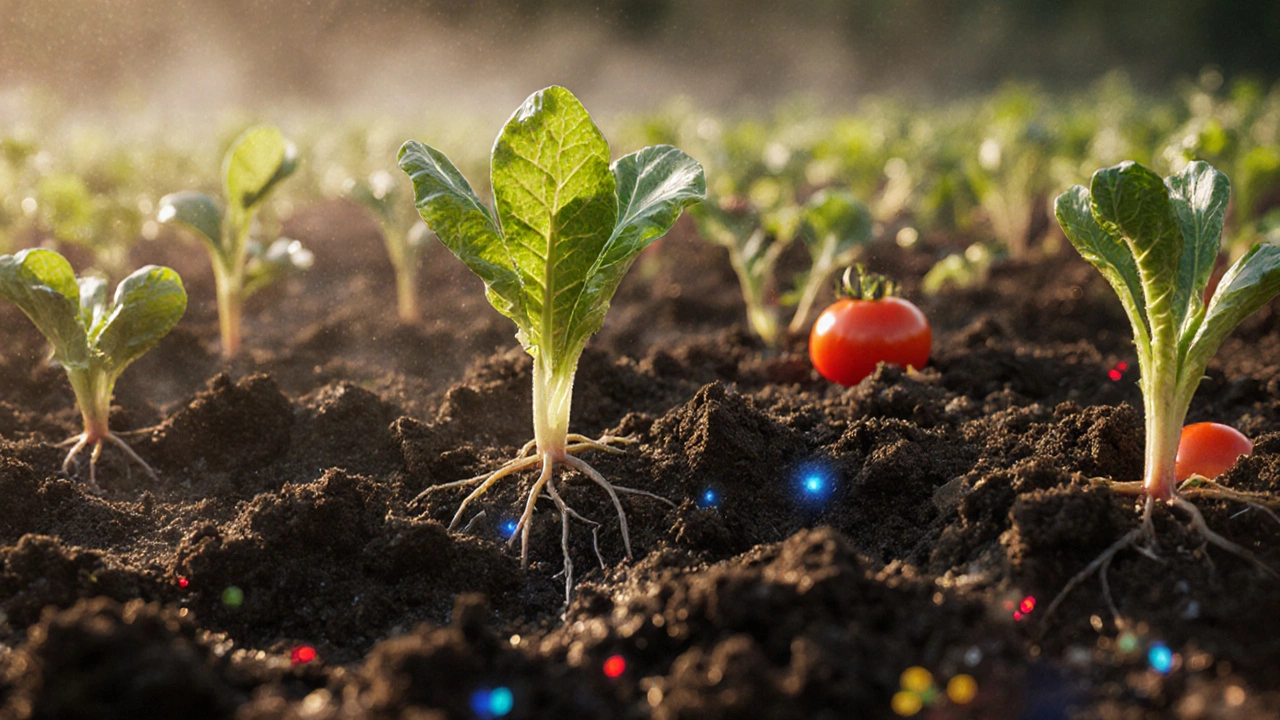
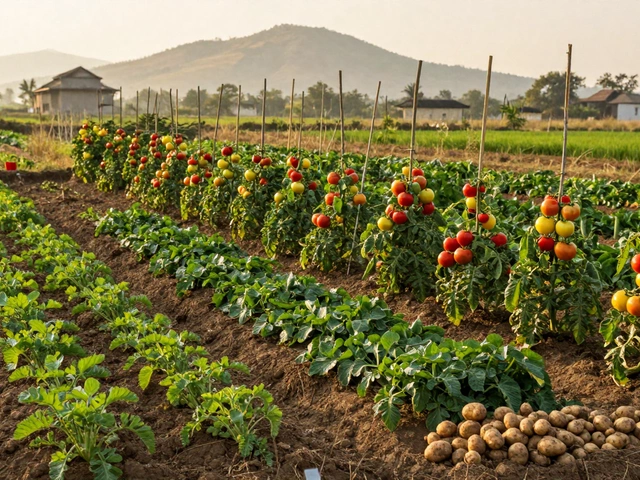
Successful vegetable gardening here doesn’t need big land or expensive tools. It needs smart choices. Raised beds, companion planting, and container gardens let you grow more in less space. Homemade fertilizers made from kitchen waste keep costs low and soil healthy. And with India’s long growing season, you can harvest year-round if you pick the right veggies. Whether you’re growing carrots for better eyesight, spinach for daily meals, or durian for a high-risk, high-reward gamble, the key is matching the crop to your climate, space, and goals.
You’ll find everything you need below: the most profitable vegetables to grow in 2025, the easiest ones for beginners, how to build a layout that doubles your yield, and the surprising foreign veggies that now define Indian meals. We’ll show you how to turn scraps into fertilizer, why some vegetables are called queens or kings of the garden, and which ones actually make money—not just look pretty. No fluff. Just real advice from farmers and home gardeners who’ve done it.
Discover the most profitable vegetable farming options in India for 2026. Learn which high-value crops to grow, how to use drip irrigation, and tips to bypass middlemen.
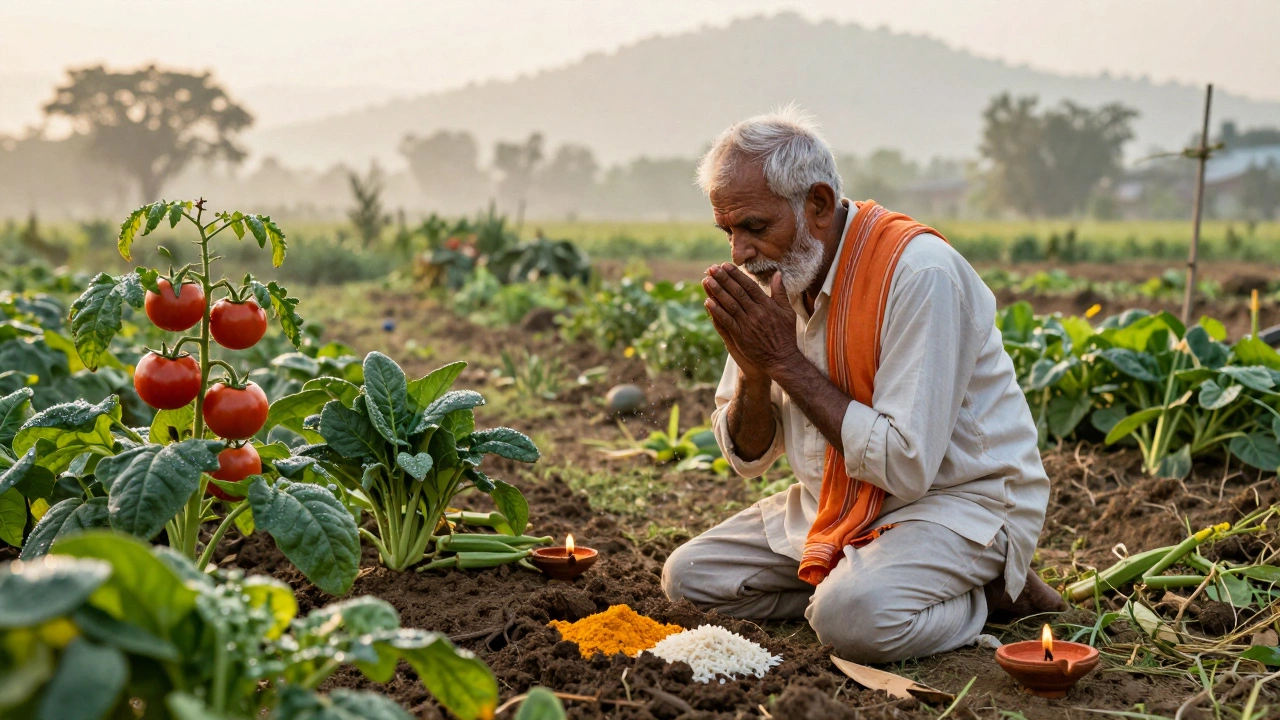
There's no single Hindu god of gardening, but the practice of growing vegetables in India is deeply tied to ancient rituals, earth goddesses, and sacred plants like Tulsi. Discover how spirituality and soil work together in Indian home gardens.
Discover the most profitable fruit farming options in India in 2026, from mangoes and bananas to dragon fruit and kinnow. Learn which crops deliver the highest returns, where to grow them, and how small farmers can compete.
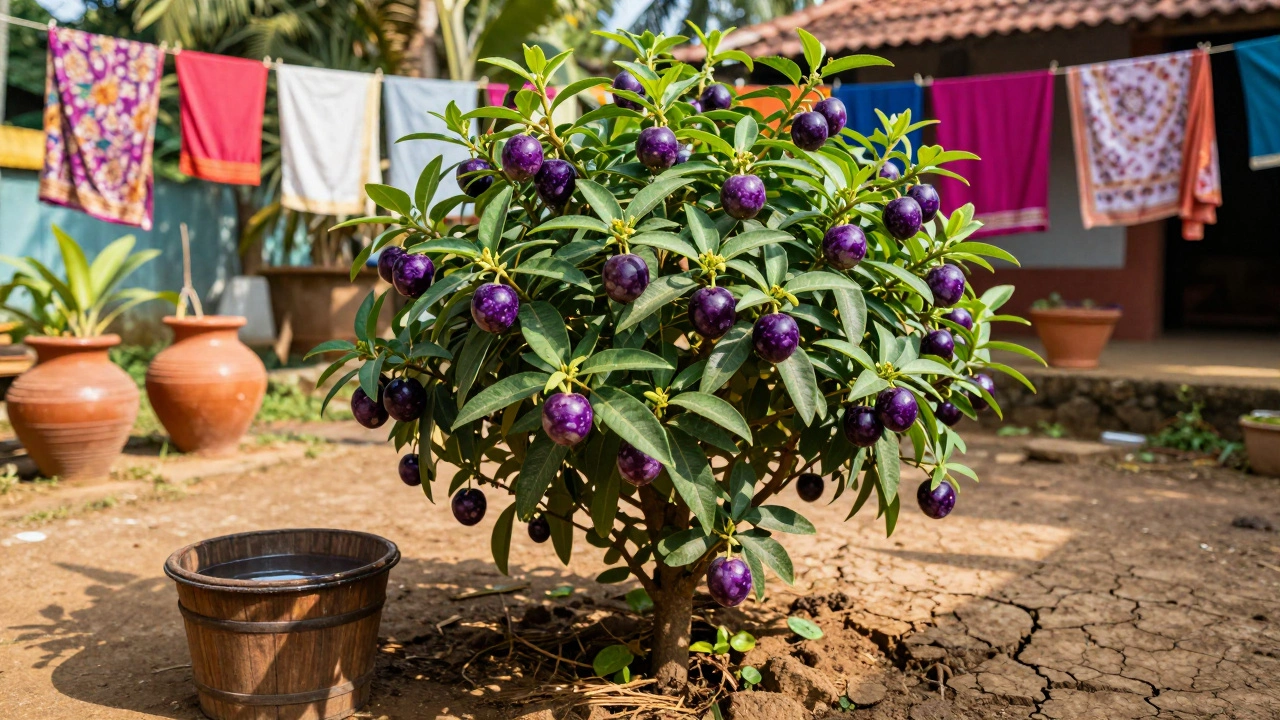
The queen of India plant is a small, hardy vegetable native to India, known for its resilience and rich flavor in traditional dishes. Easy to grow in pots or gardens, it's a forgotten gem of Indian kitchen gardening.
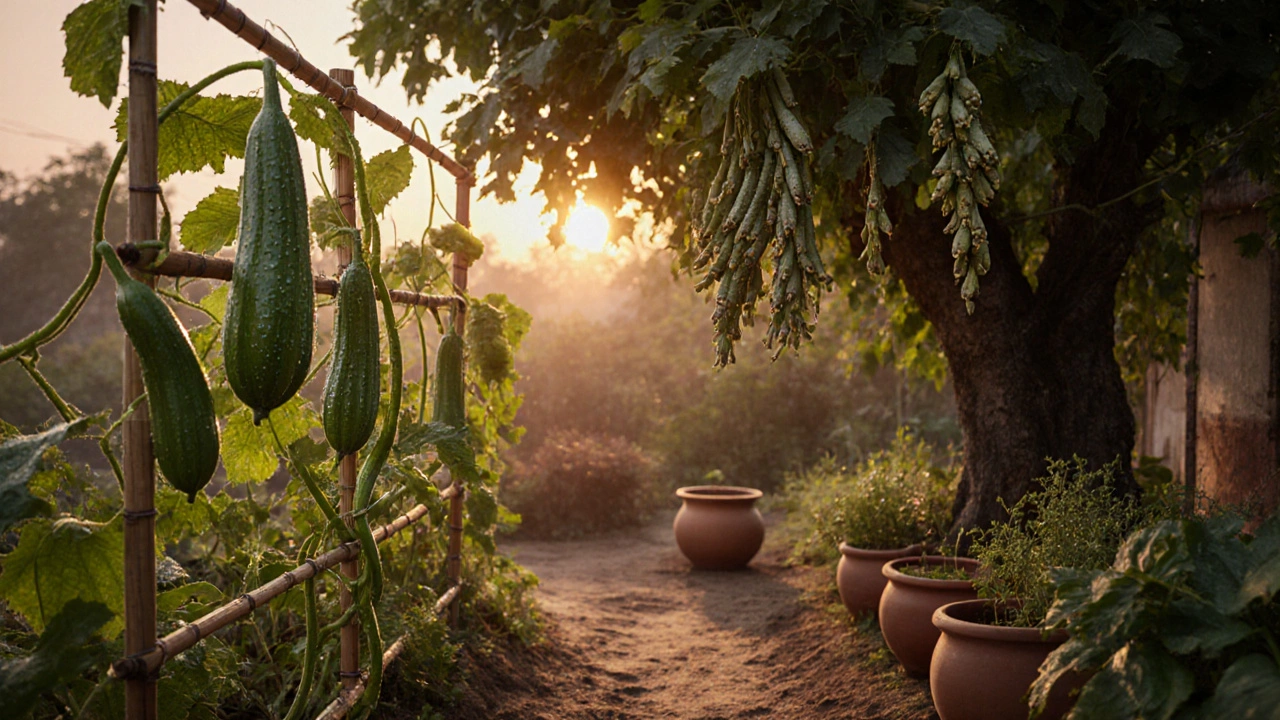
Discover which vegetables are truly native to India and why growing them makes your garden more resilient, nutritious, and connected to local food traditions. Learn how to grow bitter gourd, drumstick, snake gourd, and other indigenous crops with minimal effort.
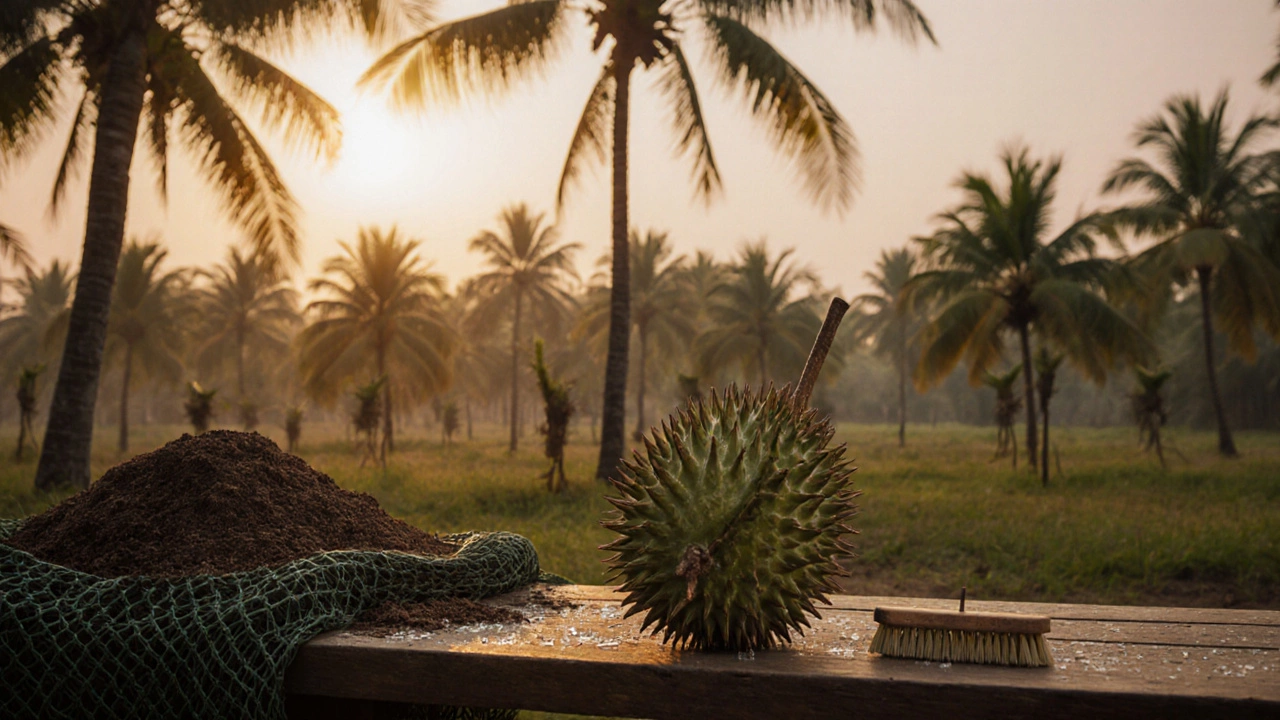
Durian is India's costliest fruit, grown locally in southern states. It commands high prices due to its rarity, long growth cycle, and cult following. Learn why gardeners are planting it and how to grow it successfully.
Discover the top homemade fertilizer recipes for a thriving vegetable garden, with step‑by‑step guides, application tips, and FAQs to boost your crops organically.
Explore the story behind vegetables that are not native to India, from potatoes to tomatoes, and how these imports changed Indian farming and flavor forever.
Which vegetable helps you see better? Explore surprising facts, nutrient-packed veggies, and easy tips to boost your eyesight naturally with the right garden produce.
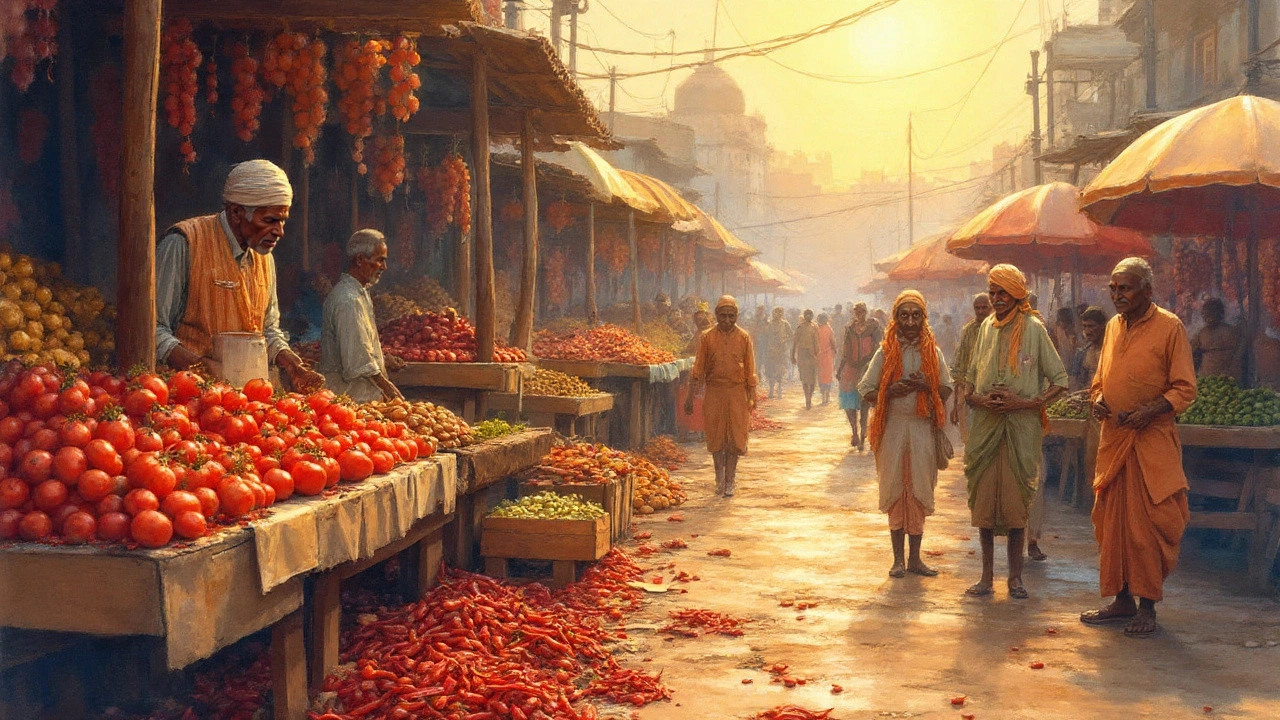
Discover which vegetables are in highest demand across Indian markets, why they’re hot sellers, and tips for boosting your own garden’s yield with the most profitable crops.
Are tomatoes truly Indian? Discover where tomatoes come from, their fascinating journey to India, surprising facts, and pro gardening tips. Get the full scoop here.